
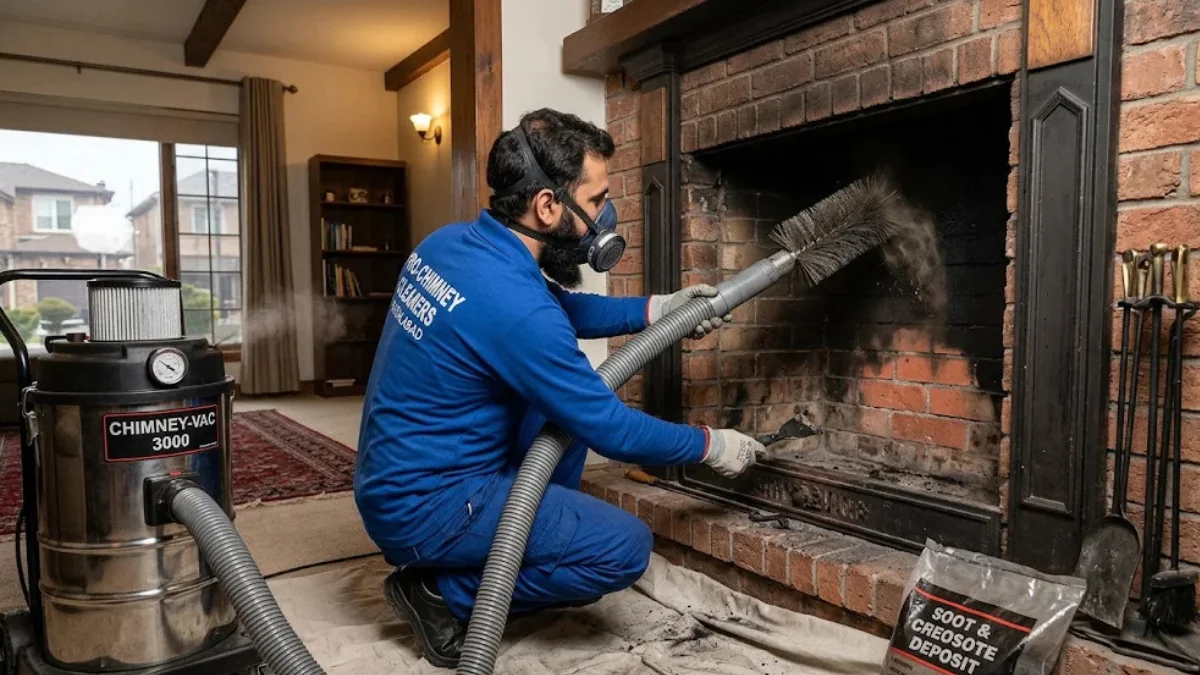
A dirty hearth can leave soot, odors, ash, and combustible deposits where you least want them. Regular fireplace cleaning keeps the visible firebox tidy and makes maintenance problems easier to spot. Chimney work requires extra care because hidden deposits can create serious fire risks.
The basic job starts after everything becomes completely cold. Remove ash, clean the grate, scrub dirty surfaces, and inspect the visible components for damage. Chimneys and venting systems should also receive professional inspection at least once each year.
| Key point | What U.S. homeowners should know |
|---|---|
| Best time to clean | After the unit is completely cold and before heavy seasonal use |
| Routine DIY tasks | Remove ash, vacuum debris, clean glass, and scrub suitable masonry |
| Important safety gear | Gloves, eye protection, dust protection, and floor coverings |
| Main wood-burning concern | Soot and combustible creosote deposits |
| Professional maintenance | Arrange annual chimney and vent inspection |
| Stop and call a professional | Heavy glaze, damaged masonry, poor draft, smoke indoors, or suspected chimney fire |
Quick answer: Start by confirming the hearth and ashes are completely cold. Protect the room, remove loose debris, clean suitable surfaces, and inspect visible parts for damage. Leave chimney sweeping, glazed creosote, structural concerns, and uncertain venting conditions to a qualified chimney professional.
Why Regular Hearth Care Matters
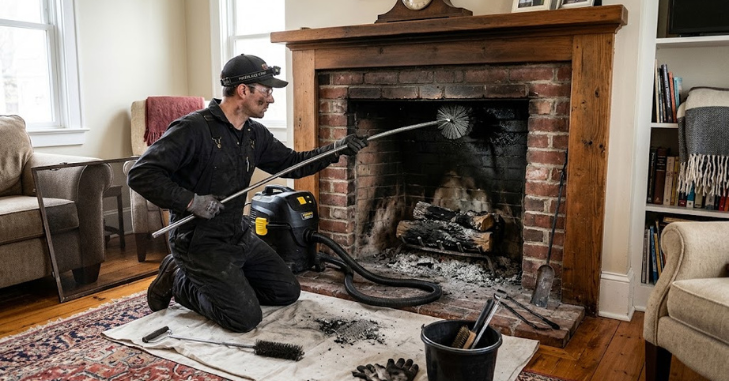
Wood fires and fireplace cleaning create ash, soot, and smoke residues during normal use. Small amounts are expected, but deposits become messier as they accumulate. They can also hide cracks, damaged joints, or moisture problems.
Creosote deserves special attention in wood-burning systems. It forms as smoke components cool and condense inside the venting system. Home Votel’s guide to creosote buildup and removal explains its appearance, causes, and related fire concerns.
The U.S. Fire Administration recommends annual professional chimney cleaning and inspection. Its guidance also recommends keeping combustible materials at least three feet from heating equipment. These habits add important protection before the next burning season.
What You Need Before You Start
Gather supplies before opening the firebox or moving dusty components. Using suitable tools helps contain soot instead of spreading it around the room. Avoid aggressive cleaners unless the surface manufacturer specifically permits them.
Useful supplies include.
* Heavy work gloves. * Safety glasses. * A suitable dust mask or respirator. * Drop cloths or plastic floor protection. * Fireplace shovel and metal ash container. * Hand broom and dustpan. * Shop vacuum with an appropriate fine-dust filter. * Stiff nylon scrub brush. * Bucket, clean water, and mild dish soap. * Manufacturer-approved glass cleaner when required. * Old towels, sponges, and cleaning cloths.
Do not use a household vacuum that cannot safely handle fine ash. Tiny particles can pass through unsuitable filters and return to the room. Warm embers can also damage equipment or create a fire hazard.
Fireplace Cleaning in 7 Safe Steps
These steps cover routine cleaning around an accessible firebox and hearth. They do not replace professional chimney sweeping or inspection. Follow the appliance manufacturer’s instructions whenever they differ from general cleaning advice.
1. Make Sure Everything Is Completely Cold
Never start while embers, logs, or metal parts remain warm. Ash can hide heat long after visible flames disappear. Waiting longer is safer when you are unsure.
Lowe’s recommends allowing at least 12 hours after the last use before cleaning. A longer cooling period can provide more confidence after a substantial fire. Test cautiously before handling ash or metal parts.
2. Protect the Room From Soot and Dust
Move nearby rugs, baskets, decorations, and other movable items away from the hearth. Cover the surrounding floor with a washable drop cloth or plastic sheet. Close nearby interior doors if dust could travel through the home.
Wear gloves, eye protection, and suitable respiratory protection before disturbing ash. Soot is lightweight and can become airborne quickly. Work slowly rather than creating large clouds of debris.
3. Remove the Grate, Tools, and Loose Ash
Take removable grates, andirons, and tools outside when practical. Use a hearth shovel to transfer cold ash into a metal container. Keep the container covered and away from combustible surfaces.
The U.S. Fire Administration recommends storing fireplace ashes outside in a metal container with a lid. Its safety guidance places that container at least ten feet from the home. Confirm the contents are fully cold before final disposal.
Leave a small ash bed only when your appliance manufacturer recommends one. Otherwise, clear loose material so you can inspect the floor and walls. Look for cracks, loose brick, damaged panels, or unusual staining.
4. Vacuum Remaining Dust Carefully
After removing the bulk debris, collect residual dust with suitable equipment. A fine-particle shop vacuum can make this stage more controlled. Check the filter specifications before using it for soot or ash.
Move the nozzle slowly across corners, joints, and the hearth floor. Avoid striking fragile refractory panels or masonry edges. Stop if vacuum exhaust begins releasing visible particles indoors.
This stage also creates a clearer surface for inspection. Dark deposits can conceal small defects before loose material is removed. Take note of any damage you want a professional to evaluate.
5. Clean Brick, Stone, or Approved Firebox Surfaces
First, check the material before applying moisture or cleaners. Painted brick, natural stone, manufactured panels, and traditional masonry may require different products. Test any cleaner in an inconspicuous area.
For suitable masonry, start with the mildest cleaning method available. Warm water, a small amount of dish soap, and a stiff nylon brush may handle light dirt. Work in manageable sections and avoid soaking porous materials.
Stubborn black deposits may need a product designed for hearth masonry. Follow the product label and appliance instructions closely. Stop if the surface begins crumbling, flaking, or showing unexpected discoloration.
6. Clean Glass and Metal Components
Glass doors can develop haze, soot, or other deposits during use. Use a cleaner approved for the specific glass and appliance. Abrasive household products can scratch some surfaces or damage special coatings.
Wipe the glass only after it has cooled completely. Clean removable metal components according to their finish and manufacturer instructions. Dry everything before returning parts to their normal positions.
Persistent soot on gas-unit glass may indicate more than ordinary dirt. Burner, log, or combustion problems can affect how the system operates. Have unusual soot patterns evaluated rather than repeatedly wiping them away.
7. Inspect Before Reassembly and Future Use
Look over the visible firebox, damper area, doors, screens, and accessible masonry. Check for cracks, corrosion, deteriorated joints, loose pieces, or signs of water entry. Also notice whether anything appears warped or heat damaged.
Reinstall dry components only after cleaning is complete. Confirm screens and doors move normally before the next fire. Keep combustible decorations away from the opening and surrounding heat zone.
Professional chimney maintenance and sweeping covers areas ordinary household cleaning cannot reach safely. That includes the flue, smoke chamber, cap, and hidden venting conditions. Annual inspection helps identify problems before they become obvious indoors.
Firebox Cleaning and Chimney Sweeping Are Different Jobs
Cleaning visible ash does not mean the chimney is clean. The firebox is only one part of a wood-burning venting system. Creosote can collect much higher inside the flue.
CSIA follows NFPA guidance calling for chimney, vent, and related system inspection at least annually. Cleaning should occur when deposits or operating conditions require it. The organization recommends sweeping masonry systems around one-eighth inch of sooty buildup, or sooner with glaze.
Chemical sweeping products should not replace inspection or mechanical cleaning. CSIA states that these products may assist certain cleaning processes. They do not verify structural condition or remove every hidden obstruction.
When Should You Hire a Chimney Professional?
Routine ash removal can be manageable for many homeowners. Chimney access, roof work, and stubborn deposits introduce different risks. Professional help is appropriate whenever the condition exceeds simple surface housekeeping.
Call a qualified chimney professional when you notice.
* Shiny, tar-like, or glazed deposits. * Heavy soot or recurring creosote. * Smoke spilling into living areas. * Unusual odors that persist after cleaning. * Poor draft or difficult fire starting. * Loose masonry or cracked firebrick. * Water damage or deteriorated mortar. * Animal nests or suspected obstructions. * Heat damage around the damper or vent. * Any suspected chimney fire. * Unsafe roof access. * An unknown maintenance history.
Do not resume burning after a suspected chimney fire until the system has been evaluated. High temperatures can damage liners, masonry, connectors, and nearby components. Some damage cannot be identified from the room.
A broader home-safety maintenance plan should also include working smoke and carbon monoxide alarms. Test alarms according to their manufacturers’ instructions. Replace expired units as required.
How Often Should You Clean the Hearth?
Visible ash removal depends on how often you burn wood. Frequent users may need light housekeeping throughout the heating season. Occasional users can usually clean less often.
The chimney follows a different schedule because inspection guides the cleaning decision. USFA recommends professional cleaning and inspection every year. NFPA also advises annual inspection of heating systems and chimneys.
A useful routine is to schedule professional service before regular cold-weather use. Spring or summer appointments can also help avoid peak seasonal demand. Either approach works when annual inspection remains consistent.
How to Reduce Soot and Creosote Between Cleanings
Fuel quality affects how much smoke a wood fire produces. Burn properly seasoned firewood that is suitable for your appliance. Avoid trash, treated lumber, painted wood, and other unsuitable materials.
Maintain adequate airflow according to the appliance instructions. Long, smoky, low-temperature fires can encourage deposits inside the venting system. Never modify dampers or controls beyond approved operating directions.
Pay attention to changes in performance. A new odor, sluggish draft, or repeated smoke spillage deserves investigation. Early attention can prevent a small maintenance issue from becoming a larger repair.
Make Safe Hearth Care Part of Your Seasonal Routine
Good maintenance combines simple household cleaning with professional inspection. Keep cold ash controlled, clean suitable surfaces gently, and watch for changes in condition. Those habits make the heating area easier to maintain throughout the season.
Do not treat a tidy firebox as proof that the entire venting system is safe. Arrange annual professional chimney care and address warning signs promptly. That approach protects both the system and the people living around it.
Frequently Asked Questions
How often should fireplace cleaning be done?
Routine surface care depends on use, ash accumulation, and the appliance type. You can remove cold ash and visible debris whenever buildup begins affecting normal use. Chimneys and venting systems should receive professional inspection at least annually.
Can I vacuum ashes from the firebox?
Yes, but only when every ember is completely cold. Use equipment and filtration designed for fine ash or similar particles. Never vacuum hot material or use unsuitable household equipment.
Can I clean chimney creosote myself?
Light inspection is different from full chimney sweeping. Roof access, hidden flue areas, and hardened deposits can make DIY work unsafe or incomplete. Professional service is the safer choice for heavy, glazed, or uncertain deposits.
Does a gas unit need cleaning?
Gas units can collect dust, debris, and deposits on glass or decorative components. Cleaning methods vary by model, so follow the manufacturer’s manual. Unusual soot should be professionally evaluated because it may indicate a combustion problem.
Can chimney-cleaning logs replace professional sweeping?
They should not be treated as a full replacement. CSIA says chemical products do not substitute for mechanical cleaning and inspection when those services are needed. Hidden damage and obstructions still require physical evaluation.