


Creosote is a combustible residue that can collect inside chimneys when wood smoke cools and condenses. Heavy deposits can increase the risk of a chimney fire and may require professional cleaning. U.S. homeowners who use fireplaces or wood stoves should understand how this residue forms and how to control it.
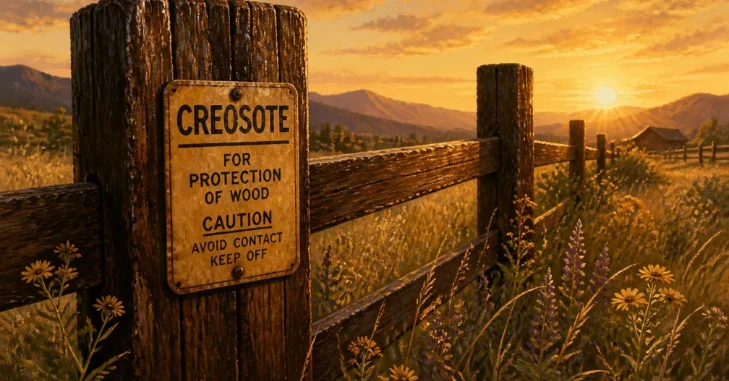
The term can also describe coal-tar products used to preserve outdoor wood. Those products have different exposure concerns and are restricted to commercial uses in the United States. This guide focuses mainly on the chimney residue homeowners are most likely to encounter.
| Key fact | What homeowners should know |
| Main household concern | Combustible deposits inside wood-burning chimneys |
| Common appearance | Black or brown, flaky, sticky, tar-like, or hardened |
| Main fire risk | Deposits can ignite inside the flue |
| Common causes | Damp wood, restricted airflow, cool flues, slow fires |
| Recommended maintenance | Annual professional chimney inspection |
| Cleaning approach | Mechanical sweeping, with specialized treatment when needed |
| Wood-preservative use | Restricted commercial pesticide use in the U.S. |
| Important precaution | Never burn preservative-treated wood |
Direct answer: Chimney residue develops when smoke from burning wood cools inside a flue and leaves combustible material behind. Damp firewood, restricted airflow, and cooler chimney temperatures can increase accumulation. Regular inspections, proper burning practices, and cleaning when needed help reduce the chance of a dangerous chimney fire.
What Is Creosote and How Does It Form?
Creosote forms when wood combustion releases smoke, gases, water vapor, and other byproducts. As those materials travel upward, they encounter the chimney’s cooler walls. Some components then condense and adhere to the flue instead
The U.S. Environmental Protection Agency identifies several conditions that encourage this process. Restricted airflow can keep smoke inside the chimney longer. Burning unseasoned wood also produces more smoke because energy must first evaporate moisture from the logs.
Low chimney temperatures can increase the likelihood of condensation. Long, slow fires may create similar conditions inside wood-burning appliances. Overloading a stove for an extended burn can also increase deposits and create other safety concerns.
Homeowners planning broader maintenance can review HomeVotel’s guide to essential home safety installations. Fire prevention works best when fireplaces, alarms, detectors, and other household systems receive regular attention.
Why Chimney Buildup Can Become Dangerous
The most serious concern is combustibility. Once enough residue coats a flue, high temperatures or sparks can ignite those deposits. A chimney fire may then expose the venting system to intense heat.
Some chimney fires are obvious, while others can occur without dramatic warning. Damage may include cracked flue tiles, warped metal components, or compromised masonry. A damaged venting system may no longer contain heat and combustion products as designed.
The Chimney Safety Institute of America lists several possible signs of a previous chimney fire. These include puffy deposits, warped metal, damaged flue tiles, and flakes found around the roof. Exterior masonry cracks or a heat-damaged chimney cap may also justify professional evaluation.
A suspected chimney fire deserves immediate attention. Stop using the fireplace or stove until a qualified professional evaluates the system. Hidden damage can make continued operation unsafe even when the chimney appears normal from the room.
What Does Chimney Residue Look and Smell Like?
Deposits do not always look the same. Some appear dry, dusty, and relatively loose. Others become flaky, sticky, tar-like, or hard and shiny.
A dark glazed coating deserves particular attention because ordinary brushing may not remove it easily. Appearance alone cannot tell you whether the entire venting system is safe. Deposits may also be hidden above the firebox or around bends.
Odor can provide another warning. A strong smoky or tar-like smell may become noticeable around a fireplace, especially during humid weather. Odor alone does not identify the amount or condition of material inside the chimney.
Homeowners should avoid relying only on what they can see from below. A professional inspection can identify buildup, obstructions, damaged components, and other problems. It can also determine whether cleaning or further evaluation is appropriate.
What Causes Heavy Creosote Buildup?
Several burning habits can accelerate accumulation inside a chimney. Most share one basic problem: they create excessive smoke or allow exhaust to cool too quickly. Correcting these conditions can reduce future deposits.
- Burning damp wood: Moist logs burn less efficiently and can create more smoke.
- Restricting airflow: Insufficient air can produce slower, smokier combustion.
- Cool flue temperatures: Cooler surfaces encourage smoke components to condense.
- Long smoldering fires: Low-temperature fires may send more unburned material into the chimney.
- Overloading a stove: Packing a firebox for prolonged burning can create poor combustion conditions.
- Neglecting maintenance: Deposits can accumulate when inspections and cleaning are repeatedly postponed.
Your chimney design and appliance setup also matter. Venting components should match the appliance and follow applicable installation requirements. Persistent buildup despite better burning habits may justify a professional review of the system.
Home maintenance often involves looking beyond the most visible component. HomeVotel’s article on planning essential home systems during renovation explains why coordinated maintenance matters. The same principle applies to fireplaces because the appliance and venting system operate together.
How to Reduce Buildup in a Wood-Burning Fireplace
Start with properly seasoned firewood and store it where rain cannot continually soak it. Dry wood generally burns cleaner than freshly cut or wet logs. Avoid using painted, coated, or chemically treated lumber as fireplace fuel.
Give the fire enough air to burn properly. Repeatedly operating a wood stove with severely restricted airflow can promote smoky combustion. Follow the appliance manufacturer’s instructions rather than improvising settings for longer burn times.
Pay attention to changes in fireplace performance. Persistent smoke, unusual odors, poor draft, or visible deposits deserve investigation. These symptoms can have several causes, so an inspection is more reliable than guessing.
Schedule chimney maintenance before problems become obvious. The U.S. Fire Administration advises homeowners to have heating equipment and chimneys professionally cleaned and inspected each year. CSIA also recommends annual inspection of solid-fuel venting systems.
Can You Remove Chimney Deposits Yourself?
Light soot near an accessible firebox may appear easy to clean. The larger problem is that a homeowner cannot necessarily see the full flue from below. Bends, smoke chambers, liners, and upper sections can conceal significant deposits or structural damage.
Professional sweeping physically removes material rather than simply changing its texture. A technician can select tools suited to the flue and the type of buildup present. The inspection can also reveal cracks, blockages, deteriorated components, or evidence of a previous fire.
Chemical cleaning products should not be treated as substitutes for inspection and mechanical sweeping. CSIA states that certain products can assist professional cleaning in specific situations. Loose material still needs removal, and chemical products cannot identify hidden structural problems.
This distinction matters with sweeping logs as well. A product may help change deposits under its labeled conditions. It does not confirm that the chimney is unobstructed, structurally sound, or clean enough for continued use.
When Should You Call a Chimney Professional?
An annual inspection provides a practical baseline for a fireplace or wood stove that vents through a chimney. Cleaning frequency can vary because households burn different amounts and use different fuels. An inspection lets the system’s condition guide your decision.
Arrange an evaluation sooner when you notice heavy deposits, poor draft, unusual smoke, or persistent odors. You should also seek help after any suspected chimney fire. Do not resume burning until the venting system has been checked.
Ask prospective chimney companies about training, credentials, insurance, and what their inspection includes. Photos or video from inside the flue can help you understand any recommended work. Written findings are useful when repairs are needed.
Homeowners completing other major projects should coordinate chimney work with the wider maintenance schedule. For example, HomeVotel’s roof replacement cost and planning guide covers roof work that may occur around chimney penetrations. Coordinating contractors can help prevent one project from interfering with another.
Chimney Deposits vs. Creosote-Treated Wood
The same name is also used for a heavy-duty wood preservative. Coal-tar formulations have historically protected items such as railroad ties and utility poles against decay and pests. This material is different from the residue created inside a fireplace chimney.
The EPA says these pesticide products have no registered residential uses in the United States. They are restricted-use pesticides applied for commercial purposes by certified applicators. Indoor application and treatment of wood intended for interior use are prohibited.
Homeowners may still encounter old railroad ties or other treated lumber around existing properties. Do not burn this material in a fireplace, wood stove, fire pit, or outdoor burn pile. EPA guidance warns against residential burning because smoke and ash can contain toxic chemicals.
Direct contact with coal-tar mixtures can also present health concerns. Federal health information associates exposure with skin and eye irritation and other effects depending on dose and exposure route. Occupational exposures differ from ordinary fireplace maintenance, so do not confuse the two hazards.
What to Do After a Suspected Chimney Fire
Treat unusual roaring, intense heat, heavy smoke, or other signs of an active chimney fire as an emergency. Get occupants to safety and contact emergency services. Do not rely on a household cleaning product to control a fire inside the flue.
After the emergency, avoid using the fireplace again until the chimney has been evaluated. Extreme heat can damage liners, joints, masonry, and metal components. Some damage may be impossible to see without a more detailed inspection.
CSIA recommends evaluation after a chimney fire and describes internal video inspection as a way to examine hidden components. Keep photos and written documentation when damage is discovered. Those records may also be useful when discussing repairs with an insurer.
A Simple Fireplace Safety Routine
Good fireplace care depends on consistent habits rather than one cleaning product. Use suitable fuel, maintain proper airflow, and watch for changes in draft or smoke behavior. Schedule an annual inspection even when the fireplace appears to work normally.
Keep combustible household items away from fireplaces and wood stoves. The U.S. Fire Administration recommends maintaining at least three feet between heat sources and materials that can burn. Working smoke and carbon monoxide alarms add another essential layer of protection.
Include the chimney in broader home-maintenance planning. Roof repairs, remodeling, appliance changes, and venting modifications can affect nearby systems. A qualified professional can determine whether those changes require additional chimney evaluation.
Make Chimney Maintenance Part of Your Home Safety Plan
Wood-burning fireplaces can provide warmth and comfort, but their venting systems need regular attention. Cleaner burning practices can slow deposit formation, while inspections catch buildup and hidden damage. Waiting for smoke, odor, or a fire is a poor maintenance strategy.
Before the next regular burning season, review when your chimney was last professionally inspected. Arrange an inspection if a year has passed or if you are unsure of its condition. That simple step can identify maintenance needs before the fireplace returns to frequent use.
Frequently Asked Questions
Is creosote in a chimney dangerous?
Yes, accumulated chimney deposits can become a fire hazard because the material is combustible. The risk increases when enough material builds inside the flue. Regular inspection helps identify accumulation before it becomes a larger safety problem.
How often should a chimney be inspected?
The U.S. Fire Administration advises having chimneys cleaned and inspected each year by a professional. CSIA also recommends annual inspections for solid-fuel venting systems. Actual cleaning needs depend on what the inspection finds and how the system is used.
Does burning dry wood prevent all buildup?
No, dry firewood can reduce conditions that encourage deposits, but it cannot guarantee a clean chimney. Airflow, flue temperature, appliance operation, and chimney design also affect accumulation. Inspection remains necessary even when you use good firewood.
Do chimney-cleaning logs replace professional sweeping?
No. CSIA says chemical products can assist cleaning but should not replace mechanical sweeping and evaluation. They also cannot reveal cracks, obstructions, damaged liners, or other hidden defects.
Can I burn old railroad ties in my fireplace?
No. Railroad ties may have been treated with heavy-duty wood preservatives. EPA guidance says homeowners should not burn preservative-treated wood because it may release toxic chemicals in smoke and ash.