
Renovating your home can be an exciting venture, but it’s important to pay attention to the hidden risks that can come with it, especially concerning indoor air quality. One such risk is radon, a naturally occurring gas that can seep into homes and pose health concerns, particularly lung cancer with long-term exposure. Before diving into any renovation projects, understanding how radon may affect your home is key to maintaining a safe living environment. This article will explore the importance of testing for radon before renovations, the associated health risks, and the proactive steps homeowners can take to ensure their safety.
Understanding Radon
Radon is a naturally occurring radioactive gas that can be found in homes, particularly those built on soil rich in uranium and radium. It is produced by the decay of uranium in the ground and can seep into houses through cracks in floors, walls, and foundations. Largely colorless and odorless, radon is undetectable without proper testing, making it a silent health risk. Long-term radon exposure is linked to an increased risk of lung cancer, particularly in smokers. This is why understanding the presence of radon in your home is important, especially before undertaking major renovations.
Health Risks Associated with Radon Exposure
Research indicates that radon is the second leading cause of lung cancer in the United States, after smoking. When radon gas is inhaled, radioactive particles can become trapped in the lungs, damaging lung tissue and increasing cancer risk. The health effects of radon exposure are cumulative, meaning the longer one is exposed, the greater the risk. While not everyone exposed to radon will develop health issues, it is a serious concern that should not be overlooked. It is important to consider these health risks when planning renovations that may disturb the home’s foundation or walls.
The Impact of Renovations on Radon Levels
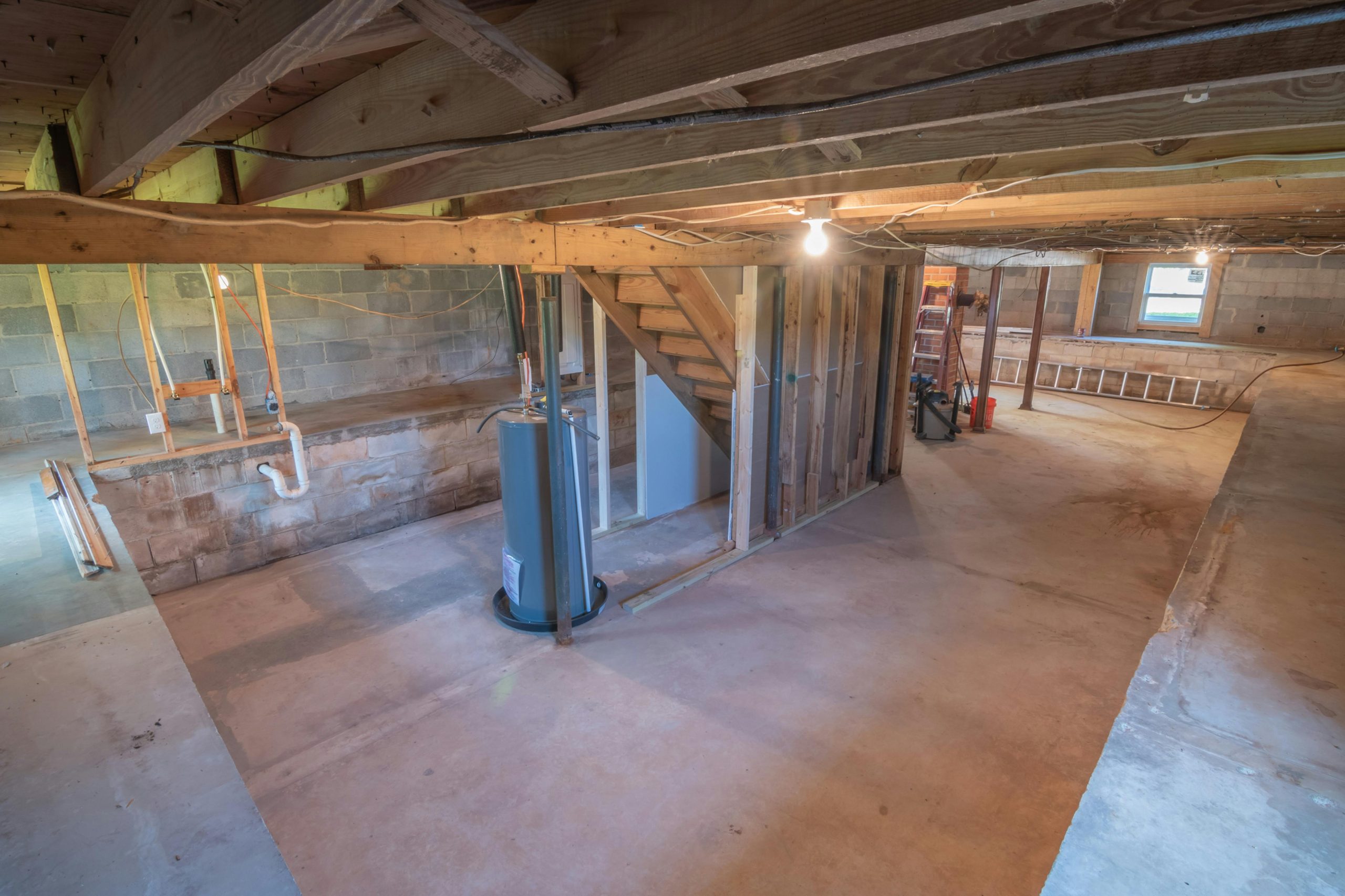
Major renovations can inadvertently affect the levels of radon in a home. Actions such as digging, exposing soil, and altering ventilation systems can all change how radon enters the home. For example, if basement walls are opened during renovations, it may expose soil with radon or lessen the obstacles preventing it from entering your home. Furthermore, changes in air flow or sealing properties can either increase or decrease radon levels in your living space. Therefore, testing for radon before and after any significant work is a responsible step to ensure the safety of everyone in your home during and after renovations.
Testing for Radon Before Renovating
Before starting any major renovations, it is advisable to conduct a radon test. There are a few options for tests that you can choose, but if this is your first time checking for radon, it is recommended that you hire professionals, like those at Earth Safe Environmental LLC, to ensure everything is set up properly and read correctly. Tests measure the radon levels over a specified period, providing crucial information about the home’s air quality. If elevated radon levels are detected, homeowners can consider mitigation strategies to lower these levels prior to beginning renovations. Implementing this check ensures that any potential hazards are addressed upfront, promoting a safer home environment.
The Importance of Long-term Monitoring
While a singular radon test can provide useful information, long-term monitoring is also beneficial for understanding a home’s radon levels. Radon levels can fluctuate based on weather conditions, home ventilation, and even changes in the surrounding soil. Using continuous radon monitoring devices gives homeowners a more comprehensive picture of their exposure over time. This ongoing assessment is particularly prudent for those who have renovated or are considering future projects. Keeping track of radon levels not only protects the household’s health but also enhances the overall safety of the living environment.
In summary, understanding and managing radon levels in your home is important, especially before taking on major renovations. By conducting a radon test beforehand and considering long-term monitoring, you can significantly reduce health risks for you and your family. Taking these steps not only helps ensure a safer living environment but also provides peace of mind as you embark on your home improvement projects. For a healthier home, make radon awareness a part of your renovation planning. Always remember, a little preparation goes a long way!
Apart from this, if you are interested to know more about Home Appliances Repair Services then visit our HOME APPLIANCES category.