

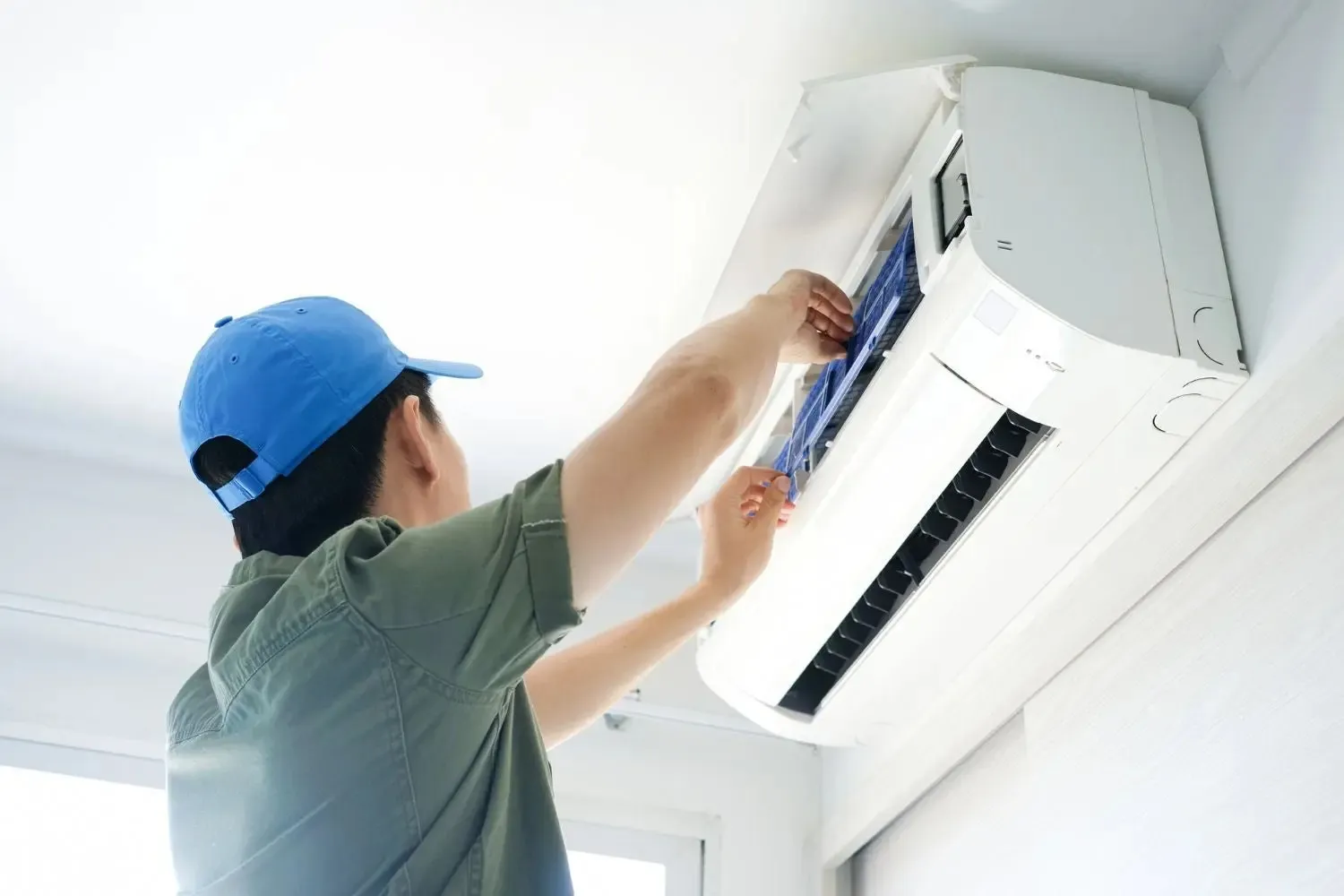
Air conditioning is essential for homeowners in San Antonio, particularly during the hottest stretches of the year. When temperatures remain high for days at a time, cooling systems may operate for much longer periods than they would during milder weather. That additional workload can expose existing problems and increase the likelihood of an unexpected breakdown.
Fortunately, homeowners can take several practical steps to help their HVAC systems operate more reliably during periods of extreme heat. Paying attention to maintenance, airflow, thermostat settings, and early warning signs can make a significant difference.
Replace or Inspect the Air Filter Regularly
One of the simplest HVAC maintenance tasks is also one of the most important.
The air filter helps prevent dust and other particles from circulating through the HVAC system. As the filter collects debris, airflow can become restricted. When airflow is limited, the cooling system may have to work harder to maintain the desired indoor temperature.
Homeowners should inspect their filters regularly and replace them according to the filter manufacturer’s recommendations and the conditions inside the home.
Homes with pets, extensive HVAC use, renovations, or higher levels of airborne dust may require more frequent filter changes.
Keep the Outdoor AC Unit Clear
The outdoor portion of an air conditioning system needs adequate airflow to release heat from the home.
Leaves, grass clippings, weeds, branches, and other debris can accumulate around the equipment. Homeowners should periodically inspect the area and remove obvious obstructions while leaving any internal cleaning or equipment servicing to qualified HVAC technicians.
Landscaping should also be maintained so plants do not grow directly against the unit.
Keeping the surrounding area clear is a simple way to support proper system operation during the hottest months.
Avoid Extreme Thermostat Adjustments
When a home feels unusually warm, lowering the thermostat dramatically may seem like the quickest solution. However, setting the thermostat significantly lower does not necessarily make a typical air conditioning system cool the home faster.
Instead, it can cause the system to continue operating for an extended period while attempting to reach a difficult temperature target.
Consistent thermostat settings are generally easier on HVAC equipment. Programmable and smart thermostats can also help homeowners establish schedules that balance comfort with energy use.
During very hot weather, homeowners should remember that the difference between outdoor and indoor temperatures can place substantial demands on cooling equipment.
Reduce Heat Entering the Home
The HVAC system is only one part of maintaining comfortable indoor temperatures.
Reducing heat gain throughout the house can decrease the amount of cooling required. Closing blinds or curtains during periods of direct sunlight, particularly on windows receiving strong afternoon sun, can help.
Homeowners can also inspect doors and windows for noticeable air leaks. Weatherstripping and other basic sealing measures can help prevent cooled indoor air from escaping.
Ceiling fans can improve perceived comfort as well. Fans do not lower room temperature, but moving air can make occupants feel cooler, potentially allowing for slightly higher thermostat settings without sacrificing comfort.
Pay Attention to Changes in System Performance
Air conditioning systems often provide warning signs before completely failing.
Homeowners should pay attention when they notice changes such as:
- Warm or insufficiently cool air coming from vents
- Weak airflow
- Unusual sounds during operation
- Frequent cycling on and off
- Unexplained increases in electricity consumption
- Difficulty maintaining the thermostat setting
- Water appearing around indoor HVAC equipment
- Unusual odors coming from vents
A single symptom does not automatically mean a major repair is required. However, a noticeable change in normal system behavior is worth investigating rather than ignoring.
Finding a smaller issue early may help prevent it from developing into a more disruptive problem during a heat wave.
Schedule Preventive HVAC Maintenance
Professional maintenance provides an opportunity to inspect components that homeowners cannot easily evaluate themselves.
During routine service, an HVAC technician can examine system performance and look for developing problems. Depending on the equipment and service being performed, maintenance may include inspecting electrical components, checking airflow, examining coils, evaluating drainage, and reviewing overall cooling performance.
Homeowners looking for information about HVAC repair, maintenance, or cooling services in the San Antonio area can visit cowboysac.com to learn more about locally available HVAC services.
Scheduling maintenance before the most demanding part of the cooling season can be especially helpful because problems can be addressed before the system is operating under maximum summer workloads.
Know When Professional Diagnosis Is Necessary
Basic homeowner maintenance has limits.
Changing filters, clearing debris around outdoor equipment, managing thermostat settings, and monitoring performance are reasonable homeowner tasks. Electrical problems, refrigerant issues, internal mechanical failures, and extensive HVAC repairs should be handled by qualified professionals.
Homeowners should also avoid repeatedly resetting breakers or attempting complicated equipment repairs without proper training.
If an air conditioner repeatedly shuts down, stops cooling, produces burning odors, trips electrical protection, or shows other significant changes in operation, professional diagnosis is the safer approach.
Prepare Before the Next Heat Wave
The worst time to discover an HVAC problem is after several days of extreme temperatures.
San Antonio homeowners can reduce that risk by treating air conditioning maintenance as an ongoing part of home ownership rather than something that only becomes important after the system stops working.
Regular filter checks, adequate airflow, reasonable thermostat settings, reduced household heat gain, preventive maintenance, and attention to unusual system behavior can all contribute to more reliable cooling.
An air conditioning system will naturally experience additional strain during a South Texas summer. Preparing the system beforehand gives homeowners a better opportunity to identify developing problems and maintain a comfortable home when outdoor temperatures climb.