
Air conditioning systems are essential for maintaining a comfortable home environment, especially during the hottest months of the year. But what should you do when your AC suddenly stops working on the peak of a heatwave? Instead of feeling stressed, having a clear action plan can make all the difference.
This comprehensive guide covers crucial steps to manage AC emergencies effectively—offering practical troubleshooting tips, maintenance advice to prevent future issues, and guidance on when to call professional repair services.
Know the Common Causes of AC Problems
Recognizing common causes of AC failures is key to managing emergencies quickly. Typical issues include clogged air filters, low refrigerant levels, tripped circuit breakers, or frozen evaporator coils. Your first step should always be inspecting the air filter and thermostat settings for dirt or damage.
Dirty filters reduce airflow, making your unit work harder and potentially causing overheating. Incorrect thermostat settings can also prevent your AC from starting. Frozen coils often indicate restricted airflow—shutting down the system and checking vents can confirm this. Understanding these causes empowers you to perform minor fixes when possible, or to identify when professional intervention is necessary.
Perform Basic Troubleshooting Before Panicking
When your AC suddenly stops, take a calm, systematic approach to troubleshooting. First, verify the thermostat is set to “cool” mode and the temperature is below the current room temperature. Next, check your home’s circuit breaker panel for any tripped breakers and reset if needed. Additionally, inspect the outdoor condenser unit for blocked ventilation or debris that might be impeding airflow examine the AC unit.
If these basic steps don’t restore function, consult your unit’s manual or trustworthy online resources. Avoid complex DIY repairs related to electrical components or refrigerants to prevent injury and costly damage.
Ensure Proper Maintenance to Prevent Emergencies
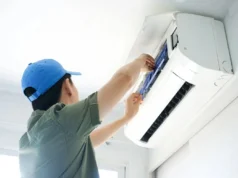
Proactive maintenance is the best defense against unexpected AC breakdowns. Replace air filters every 1-3 months, depending on usage and air quality, and clean the condenser unit regularly to remove dirt and debris. Scheduling professional tune-ups annually can identify minor issues before they escalate. Also, keep interior vents and registers clear to promote efficient airflow and reduce strain on the system.
For convenience, many HVAC service providers offer affordable maintenance plans that handle these tasks, enhancing your AC’s longevity and performance. Prioritizing upkeep now can save you from costly emergency repairs later.
Call Professionals for Repairs
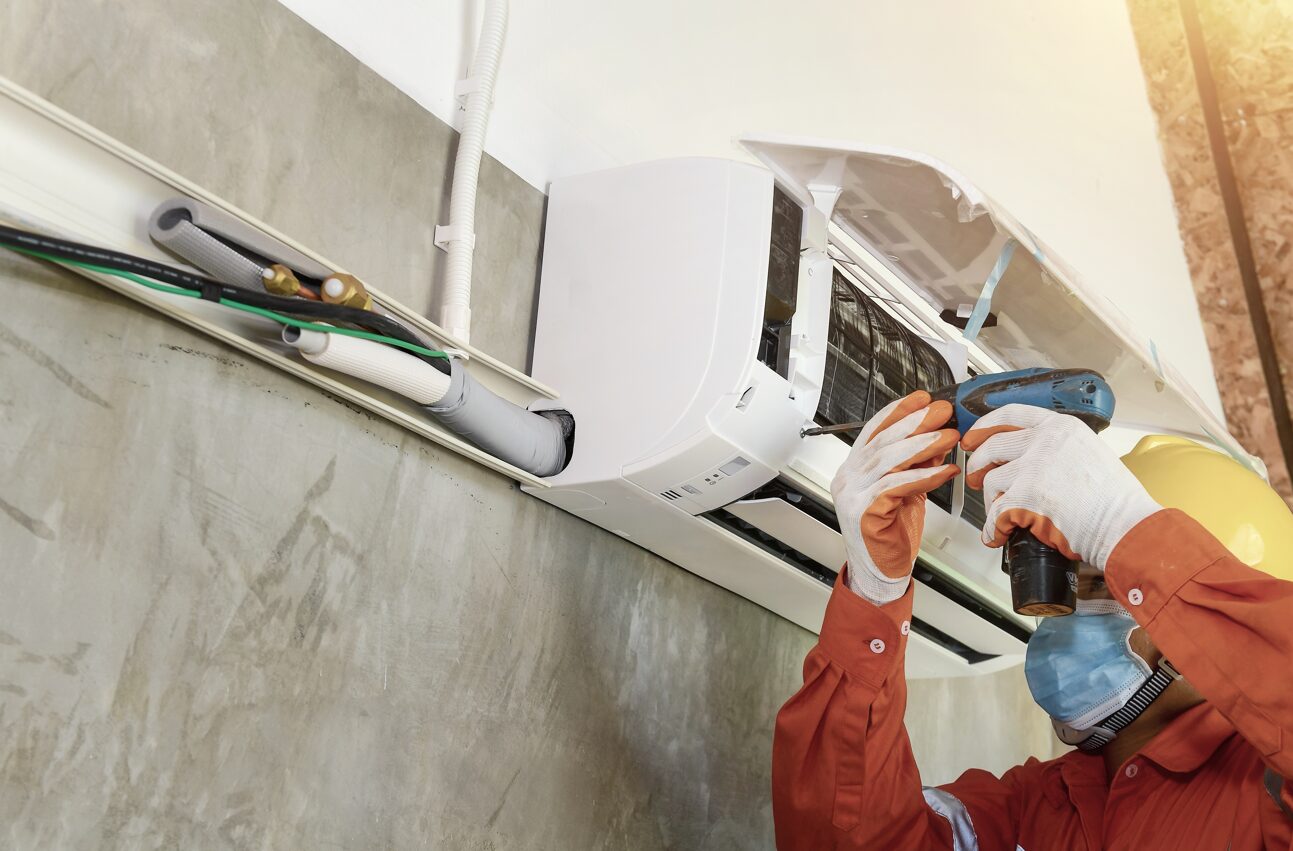
Complex AC problems—especially those involving electrical systems or refrigerant—should be addressed by certified repair professionals. Attempting to fix these yourself may cause injury or further damage. Instead, contact skilled technicians such as those at Air Kare LLC who have the expertise and tools to diagnose and resolve issues efficiently.
When you schedule a professional service, provide detailed descriptions of the problem and any troubleshooting you’ve performed check it out. This ensures technicians come prepared, which can reduce diagnosis time and repair costs, restoring comfort quickly.
Have an Emergency Kit on Hand
Having a well-prepared emergency kit is essential during AC failures in extreme heat. Equip it with portable fans, plenty of water or hydration beverages, moisture-wicking cooling towels, and lightweight breathable clothing. These supplies help maintain comfort while waiting for repairs.
For overnight outages, keep battery-operated fans and extra flashlights handy. Also, familiarize yourself with local cooling centers or air-conditioned public facilities. Knowing nearby options for temporary relief can help you and your family stay safe and comfortable during heat emergencies.
Consider Upgrading Your AC if It’s Outdated
Frequent breakdowns in an aging AC unit may signal it’s time for an upgrade. Modern energy-efficient HVAC systems provide superior cooling performance while lowering electric bills. Features such as smart thermostats and zoning control enhance comfort and can optimize energy use tailored to your home’s layout.
Though upfront costs might seem high, investing in a new system often reduces repair expenses and improves reliability. Consult HVAC professionals to evaluate your home’s cooling needs and find a system that balances efficiency, features, and budget.
Effective response to AC emergencies requires knowledge, preparation, and timely action. By learning to identify common issues, performing basic troubleshooting, maintaining your system regularly, and trusting professional repair services, you can minimize discomfort and prevent costly breakdowns. Taking steps to upgrade when necessary further secures your home’s comfort for years to come.
Don’t wait for your air conditioner to fail unexpectedly—start implementing preventative measures today. Explore maintenance plans, stay informed about repair options, and consider investing in newer, smarter technology to enhance your cooling system’s reliability and efficiency. If you’re interested in learning more about “Key Factors for Selecting an Air Conditioning System”, visit our dedicated “Home appliances” category for expert insights and advice.
In addition, understanding how local climate trends impact air conditioning needs can optimize your system’s performance. With increasing global temperatures, homes in many regions experience longer cooling seasons, making timely maintenance and upgrades even more critical. Consider integrating smart home technology that adapts cooling schedules based on weather forecasts and occupancy patterns, helping reduce energy usage while maintaining comfort. Staying ahead with these smart solutions not only ensures efficient AC operation during peak heat but also contributes to environmental sustainability.