
If you’re wondering how to save on utilities, start with heating, cooling, hot water, and water waste. These areas can create some of the largest recurring household costs. Small changes can lower monthly bills without making your home uncomfortable.
The best approach combines free habits with a few targeted home improvements. Also review your rate plan, usage history, and available rebates. This guide covers practical options for U.S. homeowners and renters.
You can lower household bills by adjusting temperature settings, stopping water leaks, sealing air gaps, and reducing hot-water use. Check whether your electric plan rewards off-peak use before changing appliance schedules. Then prioritize upgrades that offer measurable savings for your climate, home, and current energy use.
Utility Savings at a Glance
| Action | Upfront cost | Potential benefit | Best for |
|---|---|---|---|
| Adjust thermostat schedules | $0 | Lower heating and cooling use | Most households |
| Fix dripping faucets and toilets | Low | Lower water bills | Owners and renters |
| Seal windows and doors | Low | Less heated or cooled air loss | Drafty homes |
| Reduce hot-water use | $0 to Low | Lower water and energy costs | Most households |
| Change appliance timing | $0 | Lower costs on some time-based rates | Eligible electric plans |
| Maintain HVAC equipment | Low to Moderate | Better efficiency and performance | Central HVAC homes |
| Upgrade inefficient equipment | Moderate to High | Long-term energy reduction | Older homes and appliances |
How to Save on Utilities Before Buying Anything
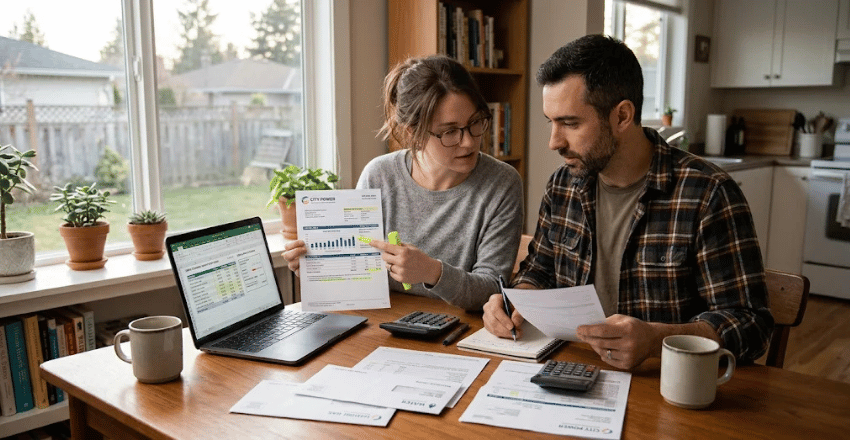
Start by comparing your current bill with previous months and the same period last year. Look at actual usage instead of only comparing dollar amounts. Rate increases can raise your bill even when consumption stays similar.
Electric customers should also identify their current rate structure. Some providers use time-of-use pricing that changes electricity prices during the day. Moving flexible loads may help when off-peak rates are cheaper.
Water bills deserve the same review. A sudden increase can indicate a leaking toilet, faucet, pipe, or irrigation system. EPA guidance recommends checking the water meter when no water should be running.
15 Ways to Lower Energy and Water Bills
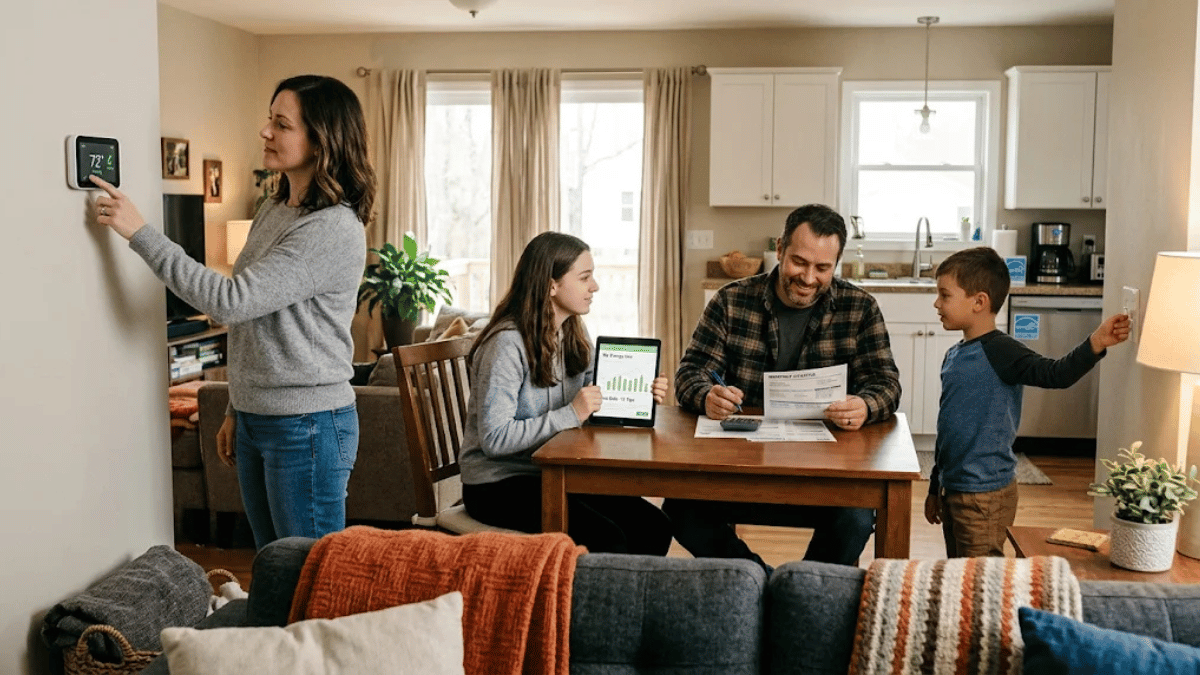
- Adjust your thermostat schedule. Reduce heating or cooling when your home is empty or everyone is sleeping. Suitable thermostat setbacks can reduce annual heating and cooling costs.
- Consider an ENERGY STAR smart thermostat. A certified model can automate temperature changes based on schedules and occupancy. Savings depend on your climate, equipment, and habits.
- Seal gaps around doors and windows. Use appropriate caulk for fixed gaps and weatherstripping around movable surfaces. Reducing unwanted airflow helps your heating and cooling equipment maintain indoor temperatures more efficiently.
- Check HVAC filters and airflow. Follow your equipment manufacturer’s recommended filter schedule. A blocked filter can restrict airflow and make cooling equipment work less effectively.
- Inspect accessible ductwork. Leaky ducts can waste conditioned air before it reaches your rooms. ENERGY STAR says sealing and insulating ducts can improve heating and cooling efficiency significantly in suitable homes.
- Set your water heater appropriately. The Department of Energy commonly recommends a 120°F setting for many households. Lower settings can reduce heat loss and lower scalding risk for many users.
- Use less hot water. Take shorter showers and wash suitable laundry loads in cold water. Run dishwashers and washing machines with full loads when practical.
- Find and repair water leaks. Check running toilets, dripping faucets, valves, and exposed pipe connections. EPA WaterSense says fixing easily corrected leaks can save homeowners about 10 percent on water bills.
- Choose efficient water fixtures when replacements are needed. WaterSense-labeled products must meet efficiency and performance criteria. Many qualifying fixtures use less water than standard alternatives without requiring major plumbing changes.
- Use appliance delay-start settings when rates favor it. Dishwashers, washers, dryers, and electric vehicles can sometimes run during cheaper periods. Confirm your provider’s pricing before shifting usage because rate structures differ across the United States.
- Cut unnecessary standby consumption. Turn off unused electronics and use switched power strips where they make sense. Focus first on equipment that stays powered for long periods without providing a useful function.
- Use window coverings strategically. Close shades against strong summer sun to reduce indoor heat gain. During colder weather, useful sunlight can provide passive warmth through suitable windows.
- Review outdoor water use. Check sprinklers for leaks, overspray, broken heads, and poor scheduling. Irrigation problems can waste water without creating an obvious indoor warning.
- Ask about an energy assessment. Some utilities, states, and local programs offer discounted or subsidized home energy evaluations. An assessment can help you decide which improvements to prioritize.
- Check rebates before replacing equipment. Utilities and government programs may offer incentives for qualifying thermostats or efficiency upgrades. Verify current local eligibility before buying because programs and funding can change.
Start With Heating and Cooling
Heating and cooling deserve early attention because they represent a major energy expense in many American homes. ENERGY STAR says almost half of an average household’s annual energy bill, more than $900 a year, can go toward these systems. Your climate and equipment will determine the actual percentage.
Avoid extreme thermostat changes that make your household uncomfortable. Instead, build a schedule around sleeping hours and regular periods away from home. Heat-pump owners should follow equipment-specific guidance before using large setbacks.
The building itself also affects HVAC costs. Gaps, poor insulation, duct leakage, and heat entering through the roof can increase equipment runtime. Homevotel’s energy-efficient roofing guide explains how roof materials and insulation can affect indoor temperatures.
Lower the Cost of Hot Water
Water heating is another important place to look for savings. The Department of Energy estimates it can represent roughly 18 percent of home energy use. Using less hot water can therefore reduce both energy and water consumption.
Insulating accessible hot-water pipes may reduce heat loss in suitable installations. Older water heaters may also deserve inspection when performance starts to decline. Always follow the manufacturer’s maintenance instructions for your specific unit.
Plumbing condition matters as well. Slow leaks and worn components can raise water costs before they become major repair problems. Homevotel’s plumbing money-saving tips cover practical maintenance that can help catch trouble earlier.
Older piping deserves closer attention when leaks keep returning. Corrosion, damaged connections, and aging materials can cause both waste and property damage. See Homevotel’s guide on when to replace old pipes when repeated repairs become a concern.
Check Whether Your Electricity Rate Rewards Different Timing
Reducing consumption is not the only way to lower an electricity bill. The timing of your electricity use may matter under some provider rate plans. Time-of-use plans charge different prices during defined periods.
Review your bill or provider website before changing your routine. Look for terms such as peak, off-peak, time-of-use, or demand pricing. If your rate is flat all day, changing appliance timing may provide little direct financial benefit.
Households with flexible loads have more choices. A dishwasher, laundry cycle, or electric-vehicle charger can often start later without disrupting daily life. Use built-in timers instead of staying awake to switch equipment on and off manually.
Don’t Replace Equipment Until You Understand Your Usage
A new appliance or heating system can reduce operating costs, but replacement is not always the first answer. When possible, start with your past 12 months of energy use. This reveals seasonal peaks and provides a baseline for evaluating future improvements.
That approach becomes especially useful when considering solar. Two similar houses can consume dramatically different amounts of electricity because their occupants and equipment differ. Homevotel’s discussion of home electricity history and solar sizing explains why real consumption data matters.
Compare expected savings with purchase, installation, maintenance, and financing costs. Check whether your utility offers a rebate before signing a contract. A lower monthly bill does not automatically make every expensive upgrade financially worthwhile.
A Simple Example of Where to Start
Consider a household facing higher summer electricity bills and a rising water bill. The first weekend could focus on bill history, thermostat schedules, filters, doors, windows, toilets, and faucets. Those checks require little spending and may reveal problems quickly.
The household might discover a running toilet and several poorly sealed windows. It might also learn that its electric provider has cheaper off-peak hours. Those findings create three specific actions instead of an expensive home-wide renovation.
After completing inexpensive fixes, the household can watch its next few bills. Usage should be compared with weather and the same period from the previous year. This makes it easier to separate real savings from seasonal changes.
Renters Can Cut Bills Too
Renters may have less control over insulation, HVAC equipment, and major appliances. They can still change thermostat habits, hot-water use, lighting, electronics, and laundry routines. Many can also use removable weatherstripping with appropriate landlord approval.
Report running toilets, dripping fixtures, faulty windows, and HVAC problems promptly. These defects can raise bills and cause property damage. Keep written records when a maintenance problem affects a service you pay for.
Ask the property manager before installing permanent equipment. Smart thermostats and plumbing fixtures may require permission or professional installation. The Department of Energy also provides energy-saving guidance specifically for renters.
Frequently Asked Questions
What is the fastest way to learn how to save on utilities?
Start with your last 12 months of bills and identify where usage is increasing. Then check thermostat schedules, water leaks, hot-water use, and obvious air gaps. These steps can reveal savings opportunities without requiring a major purchase.
Can unplugging electronics lower an electric bill?
It can reduce unnecessary standby use from devices that remain powered while idle. The benefit depends on the equipment and how much power it draws. Focus on groups of rarely used electronics rather than constantly unplugging essential equipment.
Does fixing a leaking toilet make a noticeable difference?
Yes, persistent toilet leaks can waste substantial amounts of water over time. EPA WaterSense recommends checking toilets as part of routine leak detection. Fixing easy household leaks can reduce water bills by about 10 percent in affected homes.
Should I set my water heater to 120°F?
The Department of Energy commonly recommends 120°F for many households. Your health and equipment can affect the right setting. Check manufacturer guidance before changing your unit.
Is a smart thermostat worth buying?
It can be useful if your heating and cooling schedule changes throughout the day. ENERGY STAR-certified models must demonstrate energy savings using real-world performance data. Check compatibility and available utility rebates before purchasing.
Should I replace appliances to reduce monthly bills?
Replace equipment when efficiency gains make financial sense or existing equipment needs replacement. Compare operating costs, purchase price, expected lifespan, and any available rebates. Avoid replacing reliable equipment solely because a newer model advertises lower consumption.
Build a Monthly Savings Routine
The most reliable strategy is to measure first, then spend. Review bills regularly, correct waste, maintain equipment, and track the effect of each change. That process helps you direct money toward improvements that fit your actual home.
Start with one electricity check, one water check, and one comfort-related improvement this week. Compare your usage over the next billing cycles and keep changes that deliver real results. Larger upgrades can come later when the numbers support them.