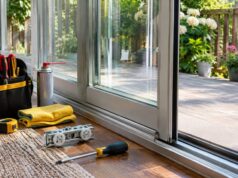


Replacing windows can involve more than purchasing new glass and frames. The cost to replace windows depends on window style, frame material, glazing, installation method, labor, and existing structural conditions. Homeowners across the United States should compare complete installation estimates rather than product prices alone. This guide explains the major cost tiers, potential savings, and questions to ask before hiring an installer.
Window Replacement at a Glance
| Cost factor | Lower-cost direction | Higher-cost direction |
|---|---|---|
| Window style | Standard double-hung or picture | Custom bay or bow |
| Frame material | Basic vinyl or aluminum | Premium fiberglass or composite |
| Glazing | Standard double-pane | Advanced triple-pane or specialty glazing |
| Installation | Insert or pocket replacement | Full-frame replacement |
| Window dimensions | Standard sizes | Oversized or custom shapes |
| Labor | Accessible, straightforward openings | Difficult access or structural work |
| Additional work | Minimal trim adjustments | Rot repair, disposal, and extensive finishing |
Quick answer: Window replacement generally falls into low, mid, and high cost tiers. Standard windows, basic materials, and insert installation usually keep projects lower. Premium frames, advanced glazing, custom shapes, full-frame installation, and structural repairs move projects toward higher tiers.
What Determines the Cost to Replace Windows?
There isn’t one reliable price category for every American home. A standard bedroom window and a custom architectural window require different products and installation work. Understanding these differences helps you evaluate estimates without relying on misleading averages.
1. Window Type and Design
The window style affects its construction, hardware, dimensions, and installation requirements. Standard designs generally offer more straightforward replacement options than architectural assemblies.
| Window type | Typical cost tier | Main considerations |
|---|---|---|
| Double-hung | Low to mid | Common design with two movable sashes |
| Casement | Mid | Hinged operation and specialized hardware |
| Sliding | Low to mid | Horizontal movement and track components |
| Bay or bow | High | Multiple panels, structural support, and finishing |
| Picture | Low to high | Fixed design, with size and custom glazing affecting cost |
Double-hung windows have two vertically sliding sashes. Their widespread availability makes standard replacements relatively straightforward. Casement windows open outward using hinges and operating hardware. Their mechanisms and installation details can add complexity compared with basic designs. Sliding windows move horizontally along tracks. Standard models are generally straightforward, although larger openings require more substantial units. Bay and bow windows project outward from the exterior wall. Their multiple sections, support requirements, roof details, and interior finishing can increase project complexity. Picture windows remain fixed and provide unobstructed views. Standard rectangular models can be economical, while oversized or unusual shapes require specialized manufacturing.
2. Frame Material
Frame selection influences the purchase tier, maintenance requirements, insulation performance, and expected service life. Compare the complete window specifications rather than choosing solely by material name.
| Frame material | General cost tier | Advantages | Considerations |
|---|---|---|---|
| Vinyl | Low to mid | Low maintenance and broad availability | Quality and thermal performance vary |
| Fiberglass | Mid to high | Strength and dimensional stability | Usually a higher initial investment |
| Wood | Mid to high | Traditional appearance and natural insulation | Requires ongoing maintenance |
| Aluminum | Low to mid | Lightweight and durable | Conducts heat more readily |
| Composite | Mid to high | Combines material properties | Construction and performance vary |
Vinyl is a common choice for homeowners seeking practical maintenance and accessible replacement options. Higher-quality products may offer improved reinforcement and insulation features. Fiberglass offers strength and resistance to dimensional changes. Its manufacturing and product specifications can place it in a higher purchase tier. Wood provides a traditional appearance and useful insulating properties. Painting, sealing, and moisture protection add ongoing maintenance responsibilities. Aluminum offers durability and relatively slim frame profiles. Its thermal performance depends on design features, including thermal breaks. Composite frames combine materials to achieve particular performance or appearance characteristics. Compare the manufacturer’s construction details because composite products differ considerably.
3. Glass and Energy-Efficiency Upgrades
Glazing choices affect comfort, energy performance, and the overall project tier. The right specification depends on your climate, orientation, existing windows, and household priorities. Double-pane glazing uses two glass layers separated by an insulating space. It is a common choice for residential replacement projects. Triple-pane glazing adds another glass layer and insulating space. It can improve insulation, although the additional material generally moves the project into a higher tier. Low-E coatings help control heat transfer through glass. Different coatings suit different climates and sunlight conditions. Gas fills, commonly argon or krypton, can improve insulation within sealed glazing units. Ask whether the quoted product includes gas filling and what its specifications provide. Don’t assume every upgrade produces worthwhile savings in every home. Ask contractors to explain U-factor, solar heat gain coefficient, and climate-specific performance.
4. Insert or Pocket Versus Full-Frame Replacement
The installation method can change the amount of labor and finishing required. Your existing frame condition is often the deciding factor.
| Installation method | General cost tier | What the work involves |
|---|---|---|
| Insert or pocket | Low to mid | New unit fits within the existing frame |
| Full-frame | Mid to high | Existing window and frame are removed |
Insert replacement retains the existing window frame when it remains sound, square, and suitable. The installer fits the replacement unit inside that opening. This method usually involves less removal and finishing work. Full-frame replacement removes the existing window assembly, including its frame. Installers can inspect the rough opening, address hidden deterioration, and install appropriate flashing. Additional trim, insulation, and exterior finishing may be necessary. Choose the method based on the condition of your existing opening. Saving installation effort makes little sense if damaged framing remains concealed.
5. Window Size and Custom Shapes
Standard dimensions generally offer more product availability. Oversized windows require more material, stronger components, and careful handling. Custom shapes can include arches, circles, triangles, and other architectural designs. These products may require special manufacturing and longer ordering periods. Large openings can also require additional installation support. Ask whether the estimate includes lifting equipment, extra installers, and any necessary structural modifications.
6. Labor, Disposal, and Trim Repairs
Labor includes more than placing a new window inside an opening. Installers may need to remove old units, prepare surfaces, install flashing, insulate gaps, and finish surrounding areas. Upper-story access, difficult landscaping, restricted workspaces, and unusual openings can increase labor requirements. Local labor conditions also influence estimates across different U.S. markets. Permit rules vary by city and county, and some jurisdictions require a permit for window replacement. Ask whether the contractor will pull the permit and whether the quote includes the fee. Old-window disposal may appear as a separate estimate item. Confirm whether removal, transportation, recycling, and disposal are included. Trim repairs deserve similar attention. Damaged interior casing, exterior trim, sill components, and surrounding finishes may require additional materials and labor. Ask contractors to inspect for moisture damage and deteriorated wood. If you also need new screens, see our guide to window screen replacement costs and options. If repairs become necessary, request written approval before additional work begins.
Additional Considerations for Older Homes
Lead-Safe Window Replacement in Pre-1978 Homes
Homes built before 1978 require particular attention to lead-based paint risks. Window replacement can disturb painted components and create hazardous lead dust. The EPA’s Renovation, Repair and Painting Rule covers window replacement in applicable pre-1978 housing. Homeowners should hire an appropriately certified firm and confirm that workers follow required lead-safe practices. Ask for documentation of the contractor’s EPA RRP firm certification. Also ask who will supervise the work and how the crew will contain dust, protect occupants, and clean the work area. Window replacement is covered even when the disturbed painted surface area falls below ordinary minor-repair thresholds. State and local requirements may also apply. Read the EPA’s official RRP contractor guidance before approving work. For older properties, lead-safe preparation should be part of the written scope, not an unexpected extra.
How to Save on Replacement Windows
You can control project costs without automatically choosing the cheapest available products. Focus on suitable specifications, clear installation scopes, and available incentives.

Choose ENERGY STAR Certified Windows
ENERGY STAR certified windows meet performance requirements designed for applicable climate zones. Check the product’s certification and performance ratings before selecting a model. The appropriate specifications can differ between colder northern regions and warmer southern regions. Compare U-factor and solar heat gain coefficient ratings against your home’s climate and exposure. Use the ENERGY STAR certified window product finder to compare qualifying products. Product certification provides a more useful comparison than a sales description alone.
Check Local Utility Rebates
Some electric and gas utilities offer rebates for qualifying energy-efficiency improvements. Eligibility can depend on your location, product specifications, installation method, and program rules. Check your utility’s current requirements before ordering windows. Window upgrades pair well with other efficiency work, such as an energy-efficient roof that can lower your utility bills. Some programs require preapproval, approved contractors, product documentation, or installation verification. The ENERGY STAR home improvement savings tool can help you investigate available incentives by ZIP code.
Understand the Federal Tax Credit Change
The federal Section 25C Energy Efficient Home Improvement Credit ended for qualifying property placed in service after December 31, 2025. Homeowners planning projects in 2026 should not assume new window installations qualify for that former credit. The change followed federal legislation that accelerated the credit’s termination. Review the IRS’s official Section 25C guidance and FAQs for details. Check IRS.gov and ENERGY STAR for updated federal information and other available programs. State, local, and utility incentives have separate eligibility rules.
How to Get and Compare Window Replacement Quotes
A good estimate explains exactly what the contractor will supply and install. Collect at least three written quotes before committing to a project. Use these steps to make the comparison more reliable:
- Inventory your windows. Record each opening’s location, approximate dimensions, operating style, and visible condition.
- Define your specifications. Select the preferred frame material, glazing, color, and installation method.
- Request three or more written quotes. Give each contractor the same project details and product expectations.
- Compare installation scopes. Check removal, disposal, flashing, insulation, trim, cleanup, and repair allowances.
- Review warranties. Separate manufacturer product coverage from workmanship and installation warranties.
- Verify installer qualifications. Check licensing where required, insurance, relevant certifications, and EPA RRP certification when applicable.
- Get changes in writing. Confirm how unexpected damage, additional repairs, and schedule changes will be handled.
A lower estimate may exclude important work. Compare the complete scope rather than selecting the smallest quoted total.
Worked Example: A Hypothetical Window Replacement Project
Consider a homeowner replacing several aging windows in a two-story house. The project includes standard double-hung openings, one large picture window, and one bay window. The homeowner initially prefers vinyl frames and double-pane Low-E glazing. Most existing openings appear suitable for insert installation, but the bay window requires closer inspection. Three contractors provide different proposals:
| Project detail | Contractor A | Contractor B | Contractor C |
|---|---|---|---|
| Standard windows | Vinyl, double-pane | Vinyl, double-pane | Fiberglass, double-pane |
| Picture window | Standard insulated glass | Custom insulated glass | Premium insulated glass |
| Bay window | Excluded | Included | Included |
| Installation | Insert | Mixed insert and full-frame | Full-frame |
| Disposal | Included | Included | Separate |
| Trim repairs | Allowance only | Itemized | Itemized |
| Warranty | Limited written coverage | Product and labor coverage | Separate product and workmanship terms |
Contractor A appears less expensive initially, but the bay window is excluded. The homeowner must also clarify the trim repair allowance before comparing the proposal fairly. Contractor B provides a more complete scope, including the architectural opening. Contractor C offers upgraded materials and more extensive replacement work, but those specifications may exceed the homeowner’s priorities. The homeowner requests clarification about frame measurements, disposal, installation warranties, and possible hidden damage. After comparing the revised proposals, the homeowner selects the option that best balances product quality, installation completeness, and long-term responsibilities. The lesson: Compare identical project scopes before judging affordability. A complete estimate can be better value than a lower proposal with missing work.
Frequently Asked Questions
What affects the cost to replace windows the most?
Window style, frame material, glazing, dimensions, installation method, and local labor influence the project. Structural repairs, disposal, lead-safe work, and trim finishing can add further expenses. Compare these components individually when reviewing contractor proposals.
Are vinyl windows cheaper than fiberglass windows?
Vinyl generally occupies a lower purchase tier than fiberglass. Fiberglass offers different strength and dimensional-stability characteristics, which can justify its higher initial investment. Compare actual product specifications and warranties before choosing.
Is full-frame replacement better than insert replacement?
Neither method is automatically better for every home. Insert installation suits existing frames that remain structurally sound and properly aligned. Full-frame replacement allows installers to address damaged frames and inspect concealed areas.
Do triple-pane windows justify their higher cost?
Triple-pane glazing can improve insulation and comfort in suitable climates. Its benefits depend on local weather, heating and cooling needs, and the existing building envelope. Ask for product performance information before paying for the upgrade.
Can I receive a federal tax credit for new windows in 2026?
The Section 25C federal credit does not apply to qualifying property placed in service after December 31, 2025. Check current IRS guidance and investigate separate utility or state incentive programs.
Should I replace every window at once?
Replacing windows together can simplify scheduling and create a consistent appearance. But homeowners with limited budgets can prioritize damaged, poorly sealed, or uncomfortable rooms. Ask contractors whether phased installation affects product availability or warranty coverage.
Make Your Window Replacement Decision With Confidence
A successful window project starts with the right specifications and a complete installation plan. Compare frame materials, glazing, window styles, and replacement methods before accepting a proposal. Windows are one of several home improvements that can boost your property value. Pay attention to lead-safe requirements in older homes and clarify disposal, trim repairs, and warranties. Check ENERGY STAR certification and local rebates before ordering qualifying products. Your next step: Prepare a window inventory and request at least three itemized written estimates. Choose the contractor who explains the complete scope, provides suitable product documentation, and stands behind the installation. —