

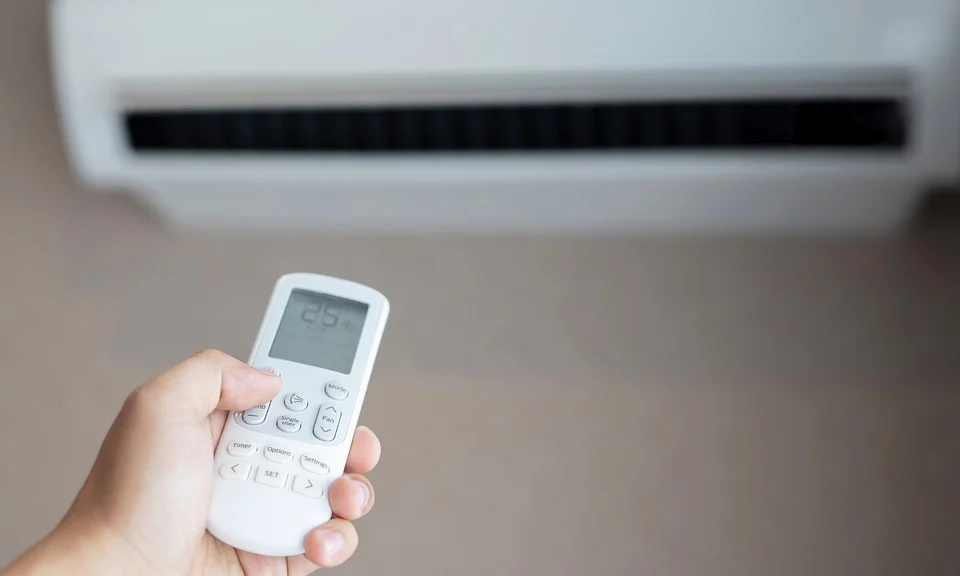
With the vast array of air conditioning options and features available in today’s market, selecting the ideal system can be a daunting task. Choosing the right air conditioner not only enhances your comfort but also boosts energy efficiency and reduces overall costs. Therefore, it is crucial to carefully evaluate cooling capacity, energy ratings, and system types to make an informed decision that best suits your needs.
In this comprehensive guide, we’ll explore the key factors to consider when choosing an air conditioning system, helping you identify the perfect unit tailored to your specific requirements and preferences. Continue reading to discover expert tips and valuable insights!
Cooling Specifications
Before selecting an air conditioning system, it’s vital to assess your precise cooling needs. Factors such as the size of the area to be cooled, local climate conditions, and typical occupancy levels play a significant role in determining the appropriate cooling capacity.
A professional evaluation can ensure that you choose a system with the correct cooling capacity, measured in British Thermal Units (BTUs), which guarantees efficient cooling without unnecessarily overworking the unit.
Energy Efficiency Ratings
Energy efficiency is a fundamental consideration when choosing an air conditioner. Look for models with high Seasonal Energy Efficiency Ratio (SEER) or Energy Efficiency Ratio (EER) ratings, as these indicate how effectively a unit converts electricity into cooling power.
Higher ratings translate into lower utility bills and reduced environmental footprint. Additionally, consider advanced features such as variable-speed compressors and smart thermostats, which further optimize energy consumption and comfort.
System Type and Features
Different air conditioning system types offer varying benefits. Central air conditioners or heat pumps effectively cool entire homes, whereas ductless mini-split systems provide flexible, zone-specific cooling options.
Window units and portable air conditioners are ideal for smaller spaces or supplemental cooling needs. Modern features to consider include programmable thermostats, integrated air purification, and zoning capabilities, all of which enhance control and indoor air quality.
Installation Requirements and Costs
Installation plays a critical role in the performance and efficiency of your new air conditioning system. The complexity and expenses involved vary depending on the system type and your home’s existing infrastructure.
Professional installation ensures safe and efficient operation and may involve ductwork, electrical updates, or refrigerant line setup. Obtaining multiple installation quotes allows you to compare pricing and services, supporting an informed purchasing decision.
Maintenance and Service Plans
Routine maintenance is essential for prolonging the lifespan and maintaining the efficiency of your air conditioning unit. Opt for models with easily accessible components, washable or replaceable filters, and clear maintenance instructions.
Evaluate the availability of qualified local service providers and consider the cost of periodic checkups. Many manufacturers and installers also offer extended warranties or service contracts that provide additional peace of mind and convenience.
Environmental Impact
For environmentally conscious consumers, minimizing the environmental impact of an air conditioning system is paramount. Prioritize units that utilize eco-friendly refrigerants with low Global Warming Potential (GWP) and those certified by reputable environmental organizations.
Choosing energy-efficient systems and adopting smart cooling technologies contribute to reducing energy consumption and carbon footprint, supporting broader sustainability goals.
Selecting the right air conditioning system for your home involves careful consideration of cooling capacity, energy efficiency, installation requirements, maintenance, and environmental impact. By thoroughly assessing these factors, you can ensure a comfortable indoor environment while optimizing energy use and reducing long-term costs.
If you’re planning to install or upgrade your air conditioning system, consulting with a reliable HVAC professional near you, such as Mt Hood Ductless, provides personalized advice and expert installation services to maximize your system’s performance and durability.
As air conditioning technology continues to evolve, smart systems integrated with IoT (Internet of Things) capabilities are becoming increasingly popular. These advanced units offer remote control via smartphone apps, adaptive scheduling based on occupancy patterns, and real-time energy usage monitoring. Such features not only boost convenience but also help homeowners reduce energy waste and lower utility costs. When selecting your next air conditioning solution, consider incorporating smart technology for a more seamless and efficient cooling experience that adapts effortlessly to your lifestyle.
Want to know about’Immediate AC Repair in New Braunfels‘? Check out our’Home appliances‘category