
As winter fades and spring brings warmer temperatures and rejuvenation warmer temperatures, it’s the perfect time to evaluate the condition of your roof. Harsh winter weather — including heavy rain, strong winds, frost, and occasional snow — can significantly impact your roof’s integrity. Ignoring minor damage caused by these conditions can escalate issues, leading to costly repairs down the line. Performing a comprehensive roof inspection and maintenance routine in spring ensures your home stays safe, dry, and protected throughout the year.
Inspecting for Winter Damage
Start your spring roof maintenance with a thorough visual inspection. Search for missing or damaged roof tiles that might have loosened due to winter’s heavy winds or freezing temperatures. Even a single broken or displaced tile can allow water to penetrate the roof space, potentially causing leaks and structural deterioration. Prompt replacement of any compromised tiles is crucial to prevent escalating damage.
Additionally, check for sagging or uneven roof sections, which may signal structural issues or water pooling. Inspect around roof flashings, chimneys, and vents for cracks, holes, or deterioration; these areas are especially vulnerable to water ingress and should be promptly repaired or resealed to prevent leaks.
Clearing Out Gutters and Downpipes
Winter debris—leaves, twigs, and dirt—often clogs gutters and downpipes, obstructing proper drainage. Blocked gutters can cause water overflow, leading to damp issues in walls and potential damage to the home’s foundations. Clean your gutters thoroughly and ensure downpipes are free from obstructions. Repair or replace any cracked or loose fittings to maintain efficient water flow and protect your property.
Consider installing gutter guards as a preventive measure. These covers allow water to pass while blocking debris accumulation, reducing cleaning frequency and safeguarding your drainage system year-round.
Checking for Moss and Algae Growth
The damp UK climate fosters moss and algae growth, especially on north-facing or shaded roof sections. While moss may appear benign, it retains moisture, which over time can degrade roof tiles and compromise their protective ability. Moss growth can push tiles apart, allowing water to infiltrate the underlying structure and cause rot or other serious issues.
To remove moss, gently brush the affected areas with a stiff broom or brush. For more extensive growth, professional roof cleaning services can apply specialised treatments that kill moss and help prevent reoccurrence. Avoid using high-pressure washers, as the force can dislodge tiles and worsen damage.
Inspecting Roof Valleys and Flashing
Roof valleys—the joints where two roof planes meet—are prone to debris buildup and water pooling, increasing the risk of leaks. Inspect these areas carefully for blockages, broken tiles, or signs of wear. Check flashing around chimneys, skylights, and vents for rust, cracks, or gaps. Flashing, usually metal or rubber, forms a waterproof seal but can deteriorate over time. Proper resealing or replacement is essential to maintain a watertight roof.
Assessing the Roof Interior
Inspect the inside of your roof space or attic during spring to detect signs of water ingress. Look for water stains, mould, or damp patches on ceilings and rafters, which could indicate leaks or poor insulation. Assess your roof’s insulation quality and ventilation during this time; adequate insulation conserves energy by regulating temperature, while good ventilation prevents condensation that nurtures mould and rot.
If you identify damp insulation or mould, replacing affected insulation materials and enhancing loft ventilation are necessary measures to protect your home’s structural integrity and indoor air quality.
Scheduling Professional Roof Inspections
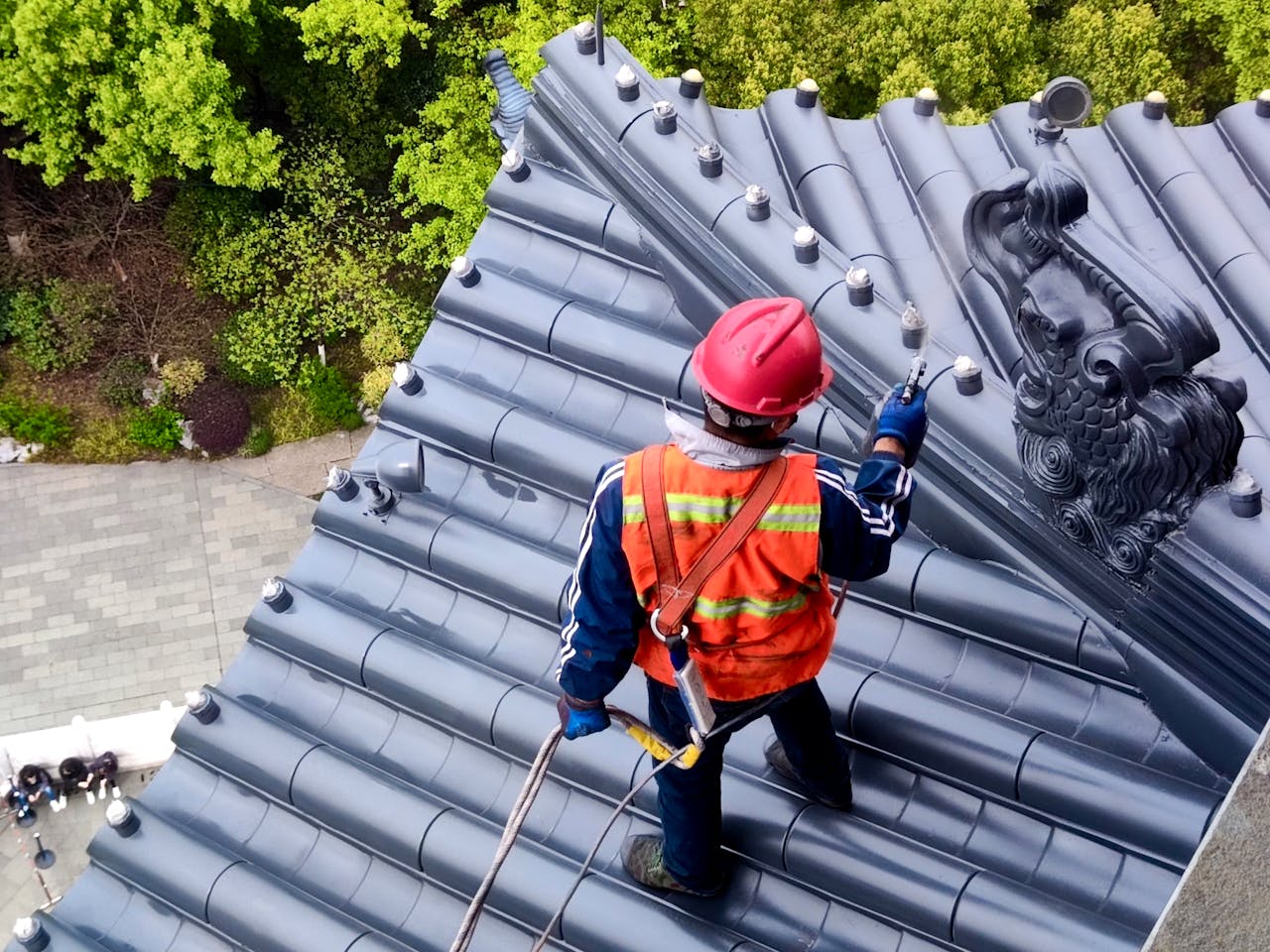
While homeowners can handle basic checks, scheduling at least one professional roof inspection per year is highly recommended professional roofer. Expert roofing contractors possess the training and tools to uncover hidden issues before they become severe. Early detection through professional inspections can save significant repair costs over time.
Many roofing companies across the UK provide free or affordable inspection services. Homeowners with older roofs or previous problems should prioritise regular professional assessments to extend their roof’s lifespan and preserve its performance.
Preparing for Summer Storms
Spring provides an excellent opportunity to strengthen your roof ahead of unpredictable British summer storms that bring heavy rain and strong winds. Addressing minor weaknesses now helps your roof withstand intense weather conditions, safeguarding your home against water infiltration and structural damage.
Additionally, trim any overhanging tree branches near your roof. Strong winds can cause limbs to snap and fall onto your roof, dislodging tiles or damaging gutters. Maintaining well-pruned trees minimizes these risks and protects your property.
Consistent spring roof maintenance—including inspection, debris clearing, moss removal, and interior assessment—plays a crucial role in preserving your home’s safety and value. When in doubt, consulting professional roofing experts ensures your roof remains robust and dependable through every season.
Regular roof maintenance in spring also enhances your home’s energy efficiency. By addressing insulation and ventilation issues uncovered during inspection, you reduce heat loss in colder months and prevent overheating during summer, contributing to lower energy bills. Moreover, a well-maintained roof improves curb appeal and boosts property value, making it a wise investment for homeowners. Embracing proactive roof care prevents unexpected repairs and extends the overall lifespan of your roof, offering long-term peace of mind.