
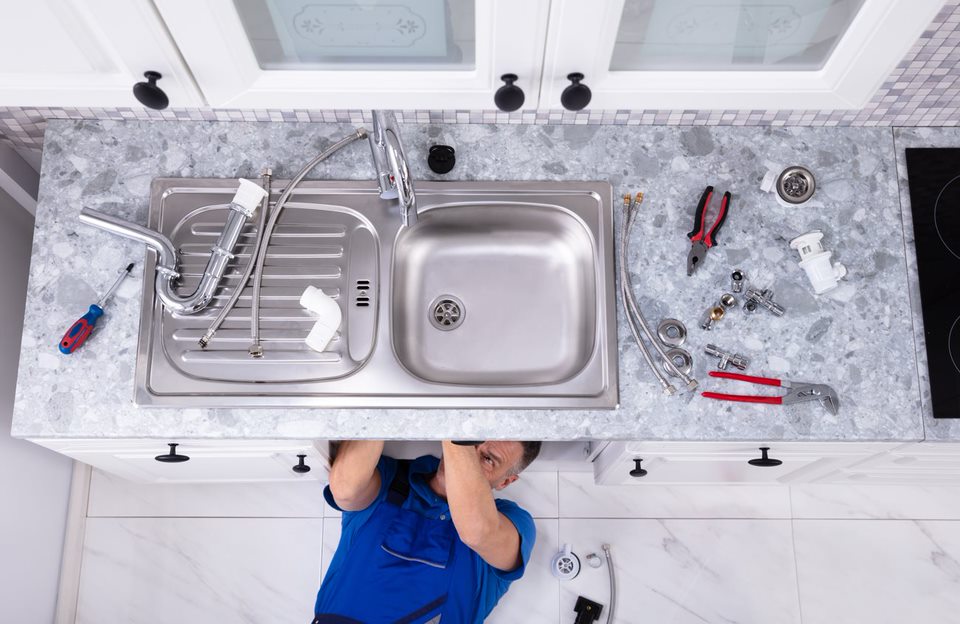
Emergencies often strike unexpectedly, and plumbing issues are no exception. A burst pipe, overflowing toilet, or sudden water heater failure can rapidly escalate, causing significant damage to your home and costly repairs.
Having a well-prepared emergency plumbing action plan can save you valuable time, reduce expenses, and alleviate stress when these plumbing emergencies occur. This comprehensive guide will walk you through the crucial steps to safeguard your home and effectively manage unexpected plumbing disasters. Let’s dive in!
Identify Potential Plumbing Hazards
Begin by carefully inspecting your home’s plumbing system to detect vulnerable areas or components prone to failure. Check for aging or corroded pipes, visible leaks, and water stains around fixtures. Pay special attention to high-risk zones such as water heaters, washing machines, outdoor faucets, and sump pumps as these often develop issues first.
Understanding your plumbing layout and potential weak spots prepares you to act swiftly. Schedule regular professional inspections to catch small problems before they turn into costly emergencies, enhancing your home’s safety and longevity.
Know Where Your Shut-Off Valves Are
A crucial step during any plumbing emergency is shutting off your water supply to prevent flooding. Ensure all household members are familiar with the location of your main shut-off valve and how to operate it quickly and confidently.
Typically, these valves are located near the water meter, in basements, or outside the property. In addition, identify and label local shut-off valves for sinks, toilets, and water heaters for rapid control. Conduct regular tests to confirm they function correctly when needed.
Assemble a Basic Plumbing Emergency Kit
Prepare a plumbing emergency kit with essential tools and supplies to manage minor issues until professional help arrives. Include a reliable plunger, adjustable wrench, plumber’s tape, a bucket, and a flashlight. Also keep towels or mop cloths handy to control water spills and a drain snake or similar tool for unclogging drains.
For safety, add gloves and protective goggles to shield yourself while tackling plumbing challenges. Having these items organized and accessible can significantly reduce damage and downtime during an emergency.
Establish a Relationship With a Trusted Emergency Plumber
In urgent situations, quick access to a reliable emergency plumber is essential. Save the contact information of professional plumbers, such as those available through ABC Plumbing, Inc, to ensure immediate assistance when disaster strikes.
Seek recommendations from friends, neighbors, or online reviews to identify reputable services. Keep these contacts readily accessible on your phone or in a visible area in your home, enabling a swift response without panic when time is critical.
Teach Your Family or Household Members
An effective emergency plumbing action plan requires that all household members know how to respond. Educate your family on handling common scenarios like leaks, clogs, and pipe bursts. Provide clear instructions for turning off water valves safely and contacting the designated plumber.
Hold periodic practice drills to boost confidence and ensure swift, coordinated action. Regularly review and update your plan to adapt to any changes in your home or personnel, maintaining readiness at all times.
Monitor and Maintain Your Plumbing System Regularly
Preventing plumbing emergencies is easier than dealing with them. Maintain your system by routinely cleaning drains, flushing water heaters, inspecting pipes for damage, and watching for early warning signs like reduced water pressure or unusual noises.
Timely preventative maintenance reduces breakdown risks and extends the life of your plumbing infrastructure. For systems older than 10 years, yearly evaluations by licensed professionals can identify potential failures before they escalate.
By integrating a solid emergency action plan, maintaining clear communication with trusted plumbers, and committing to proactive upkeep, you can safeguard your home from the devastating effects of plumbing emergencies. Always prioritize safety and seek expert assistance when necessary to avoid costly damages.
Keep this guide accessible and review it periodically to stay prepared and confident in protecting your home and loved ones against unexpected plumbing issues.
Additionally, consider investing in smart home water monitoring systems that detect leaks and alert you instantly via mobile devices. These modern technologies can provide an extra layer of protection, notifying you early before minor leaks develop into major floods. Many smart water sensors are easy to install and integrate seamlessly with existing plumbing, offering peace of mind in today’s fast-paced world. Incorporating such innovations into your emergency preparedness enhances your home’s defense against costly water damage and supports timely response.