


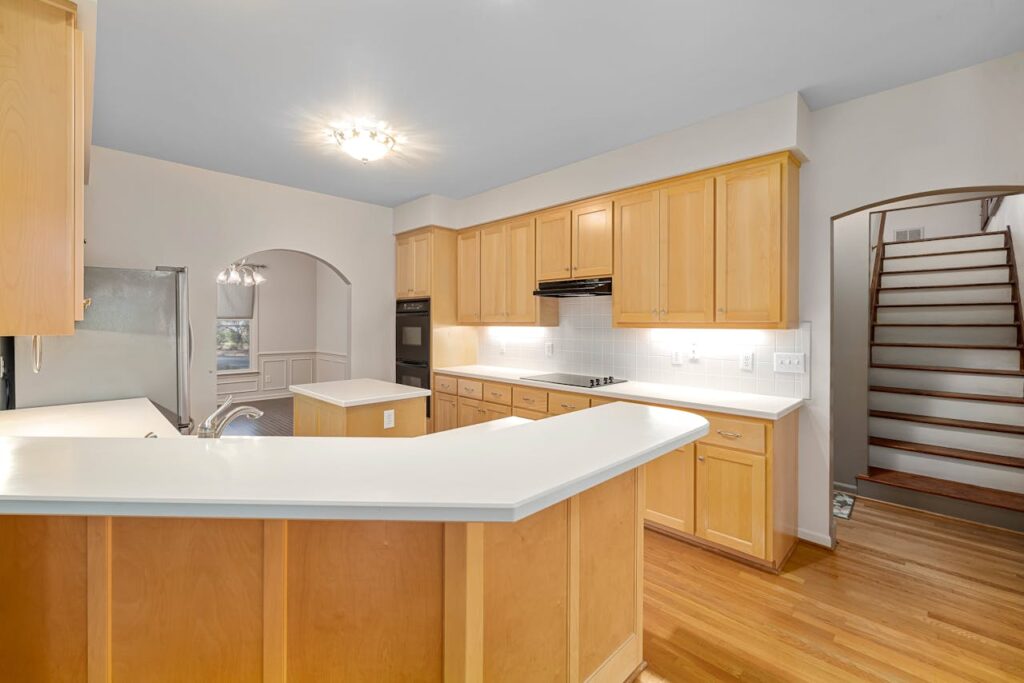
Creating stunning wood cabinetry requires more than just skilled craftsmanship; it demands meticulous material selection, careful attention to every detail, and a strong design sensibility. From choosing the perfect wood species to selecting quality hardware and durable finishes, each element significantly influences the cabinetry’s overall beauty and longevity. Whether you’re a seasoned cabinetmaker or a passionate DIY enthusiast, mastering how to choose the right components is essential for delivering exceptional, long-lasting results. Elsewhere on the site: Entryway Rug Choices.
In this guide, we will delve into the core components of woodworking cabinetry wood cabinetry, covering everything from wood types and construction techniques to hardware options and finishes. Additionally, you’ll find valuable expert tips to help you create cabinets that are both elegant and durable.
The Foundation: Choosing the Right Wood
Selecting the appropriate wood species is foundational to any successful cabinetry project. The wood you choose influences durability, visual appeal, and how well your cabinets withstand daily wear. Balancing aesthetics with practicality is essential, especially in spaces subjected to frequent use and humidity.
1. Hardwoods vs. Softwoods
Cabinetry wood falls broadly into two categories: hardwoods and softwoods. Hardwoods such as oak, maple, cherry, and walnut are highly prized for cabinetry due to their superior strength, durability, and refined grain patterns. These woods are excellent for high-traffic areas such as kitchens and bathrooms because they resist dents, scratches, and wear more effectively than softwoods.
Softwoods—pine, fir, and cedar, among others—offer a lighter, sometimes more rustic visual appeal. They are less dense and can be more prone to damage; however, they remain a cost-effective option for less demanding environments or projects where a relaxed, natural vibe is desired.
- Pro Tip: For cabinetry installed in moist environments, like bathrooms, consider hardwoods or woods treated with water-resistant finishes to enhance long-term durability.
2. Popular Wood Choices for Cabinets
Below are some of the most popular wood species used in cabinetry today:
- Oak: Known for its robust strength and pronounced grain pattern, oak is a timeless choice suitable for traditional, rustic, and transitional cabinetry. Red oak offers warmer tones, while white oak presents a subtler grain.
- Maple: With a smooth and fine grain, maple works well in contemporary or transitional designs. It readily accepts stains and paints, offering great versatility.
- Cherry: This hardwood boasts a warm, rich color that deepens over time. Its elegant grain makes it ideal for luxurious cabinetry.
- Walnut: Walnut features a deep, rich color and straight grain, lending itself to upscale, custom cabinetry. It is on the higher end of the price spectrum.
- Birch: An affordable hardwood with a smooth texture and light color, birch is a versatile option for painted or stained cabinets.
Reflective Thought: When envisioning beautiful wood cabinetry, which wood type comes to mind? How do the wood’s grain and color influence the mood and style of your space?
Construction Methods: Building for Beauty and Durability
The construction technique forms the backbone of cabinetry quality. It directly impacts the strength, longevity, and aesthetics of your finished cabinets.
1. Framed vs. Frameless Cabinets
Cabinet construction generally falls into two categories: framed and frameless. Each style offers distinct advantages and suits different design preferences.
- Framed Cabinets: Featuring a front frame around the cabinet opening, doors are mounted on this frame, offering a classic, traditional look with defined edges. Framed cabinets tend to be sturdier and provide more options for door styles and hinges.
- Frameless Cabinets: Also called European-style cabinets, these omit the front frame altogether. Doors cover the full cabinet face for a sleek, modern, and seamless appearance. Frameless cabinets offer increased interior space and are popular in contemporary kitchens.
- Insider Tip: Choose framed cabinetry for traditional or transitional designs, and frameless cabinetry to complement modern or minimalist aesthetics.
2. Joinery Techniques
Joinery methods determine how wood pieces interconnect, directly influencing cabinet strength and durability.
- Dovetail Joints: Highly regarded for their strength and beauty, these interlocking joints resemble puzzle pieces and are commonly used in drawer construction.
- Mortise and Tenon Joints: This traditional technique involves inserting a tenon (tongue) into a mortise (hole) to create a robust frame connection.
- Pocket Screws: An efficient method employing angled screws, pocket screw joinery is quicker but less aesthetically refined than traditional joints.
- Recommendation: For DIY builders, mastering dovetail and mortise and tenon joinery can dramatically improve the strength and appearance of your cabinetry.
Hardware: The Finishing Touches
Hardware elements such as hinges, drawer slides, knobs, and pulls may seem minor but play a vital role in both function and design of cabinetry.
1. Hinges and Drawer Slides
Durable, high-quality hinges and slides ensure smooth, quiet operation and longevity.
- Soft-Close Hinges: These prevent doors from slamming, providing a gentle, quiet close favored in modern cabinetry.
- Undermount Drawer Slides: Mounted beneath the drawer, these slides are hidden from view and enable smooth, silent drawer movement. Often paired with soft-close functionality.
- Hardware Tip: Prioritize robust hardware in high-use areas to maintain cabinet functionality and avoid premature wear.
2. Knobs and Pulls
Knobs and pulls serve as cabinetry “jewelry,” enhancing style while offering practical functionality.
- Modern Pulls: Sleek, elongated metal pulls complement minimalist and contemporary cabinetry designs.
- Classic Knobs: Traditional round knobs in brass, chrome, or glass fit vintage and classic cabinet styles beautifully.
- Design Suggestion: Match your hardware finishes to other fixtures in the room for a harmonious look; mixing metals can work in eclectic designs, but consistency typically yields the most polished result.
Finishing: Sealing and Protecting the Wood
Applying a finish is the final and vital step, enhancing the wood’s natural beauty while protecting it from moisture, scratches, and everyday wear.
1. Stain Finishes
Stains add color to the wood while allowing its grain to show through, available in a wide spectrum from subtle, light tones to deep, rich shades.
- Helpful Tip: Consider your room’s overall palette when choosing stain colors; lighter stains brighten spaces, while darker stains lend sophistication and drama.
2. Clear Coats
Clear finishes such as polyurethane or lacquer provide a durable protective layer without altering wood color. Available in gloss, satin, or matte sheens, they protect cabinetry in moisture-prone areas.
- Finishing Tip: For kitchens and bathrooms, select water-resistant finishes like polyurethane to safeguard against spills and humidity.
3. Painted Finishes
Painting cabinetry offers limitless customization, perfect for modern or transitional designs. A proper sanding and priming process is essential for a smooth, lasting finish.
- Pro Tip: If painting your cabinets, ensure surfaces are clean, well-sanded, and primed for optimal adhesion and durability.
Conclusion: Crafting Cabinets That Stand the Test of Time
Beautiful, long-lasting wood cabinetry is the result of deliberate choices—from selecting the ideal wood species to employing expert joinery, choosing premium hardware, and applying the perfect finish. Each step combines to produce cabinetry that enhances your space’s function and style while enduring years of use.
Are you embarking on a cabinetry project? Which aspects do you prioritize—style, durability, or functionality? Whether for a personal renovation or a professional enterprise, investing time in detailed component selection ensures your cabinets will remain a stunning focal point for decades.
Beyond these fundamentals, modern trends in sustainable cabinetry emphasize eco-friendly wood sourcing and low-VOC finishes, promoting healthier homes and responsible forestry practices. Incorporating these green options is increasingly popular, reflecting a commitment to both craftsmanship and environmental stewardship.
For additional insights and detailed guides on woodworking and cabinetry, especially regarding “[ [LINK_18]]”, be sure to visit our comprehensive “Interior Design” category.