


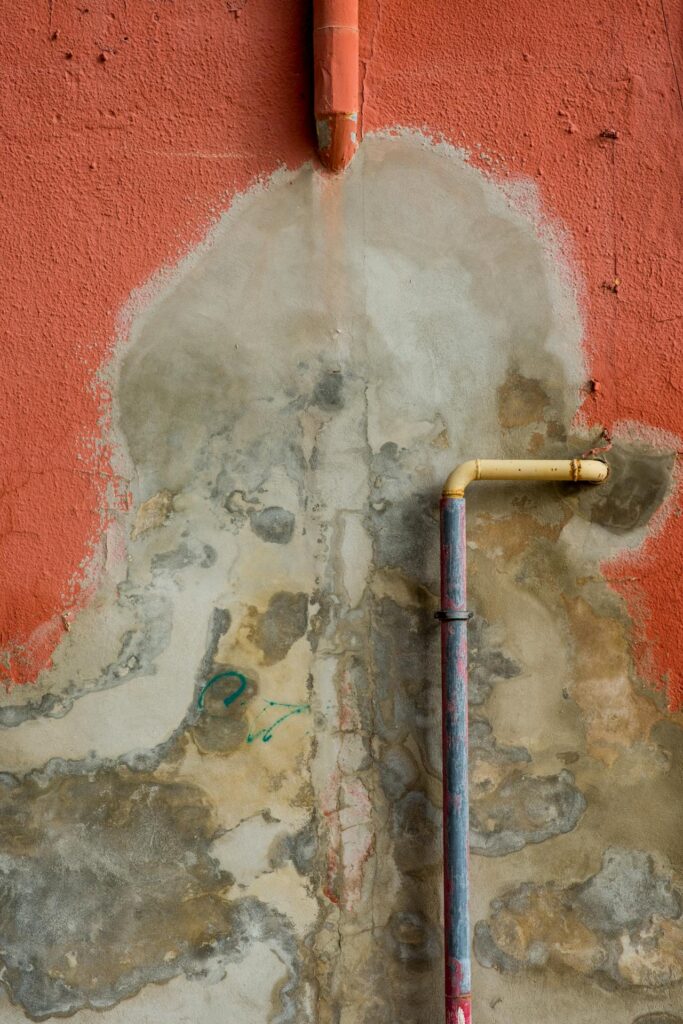
Water damage can strike unexpectedly—whether from a burst pipe, severe weather event, or appliance failure. Such incidents not only disrupt your daily routine but can also cause significant structural damage and serious health risks if not addressed promptly. When confronted with water damage, a critical question arises: Should you attempt restoration yourself or hire professional services?
In this article, we’ll weigh the pros and cons of both DIY and professional approaches. Along the way, we’ll share practical tips, pose essential questions, and help you determine the best solution tailored to your unique situation.
Understanding Water Damage: Why Speed Matters
Understanding the urgency of water damage restoration is crucial. Research confirms that mold can begin to develop within 24 to 48 hours of water exposure, leading to potential health complications and further property destruction.
Time is of the essence. Prolonged exposure to moisture can deteriorate walls, floors, and even weaken your home’s foundation. Whether you choose to handle restoration yourself or engage professional help, swift action is essential to minimize long-term damage and associated costs.
DIY Water Damage Restoration: Is It Worth the Effort?
When DIY Might Work
DIY water damage restoration can be effective for minor issues. For instance, a small leak beneath a sink or a minor carpet spill might not justify calling in experts. Consider tackling the problem yourself if:
- Small-scale damage: The affected area is under 10 square feet and does not involve walls or ceilings.
- Clean water source: The water originates from a sanitary source like a broken faucet or rain.
- Immediate response: You detected the issue early and can begin remediation swiftly.
Essential DIY Tips
Should you opt for DIY restoration, follow these crucial steps for effective results:
- Assess the Source: Determine whether the water is clean, gray (appliance-related), or black (sewage-contaminated).
- Remove Standing Water: Use wet/dry vacuums, mops, or towels to eliminate excess water promptly.
- Dry Thoroughly: Utilize fans, dehumidifiers, and open windows to promote airflow and drying.
- Disinfect: Clean all affected surfaces with a bleach-based solution to eradicate bacteria and mold spores.
- Monitor for Mold: Regularly check for mold and address any findings immediately to prevent spread.
The Risks of DIY
Despite the appeal of cost savings, DIY approaches have pitfalls. Before proceeding, ask yourself:
- Do I have specialized equipment to detect and eliminate hidden moisture?
- Am I confident in identifying unseen damage behind walls or under floors?
- Can I guarantee complete drying to prevent mold development?
If you answer “no” to any of these, professional intervention is advisable to avoid exacerbating the issue.
Professional Help: Why It’s Worth Considering
When to Call the Experts
For substantial or hazardous water damage, professional restoration services are indispensable. Situations warranting expert help include:
- Widespread flooding: Large areas of your home are affected.
- Contaminated water: Exposure to gray or black water poses serious health risks.
- Structural compromise: Damage to walls, ceilings, or floors.
- Limited time or resources: When you cannot adequately address the damage yourself.
Thedryguy.com provides top-rated water damage restoration in Watauga, TX with skilled technicians and advanced equipment, ensuring thorough and fast restoration. If facing significant water damage, their expert services come highly recommended to restore your home efficiently and safely.
Advantages of Professional Services
Why choose professionals? Consider these benefits:
- Advanced Equipment: Industrial-grade dehumidifiers, air movers, and moisture meters guarantee comprehensive drying.
- Specialized Expertise: Certified technicians detect hidden issues and apply industry-best practices.
- Mold Prevention: Effective mold remediation and preventive treatments reduce future risks.
- Insurance Support: Many companies assist with claims, simplifying the financial recovery process.
The Cost Factor
While professional services may seem expensive initially, consider the long-term value. Proper restoration averts recurring damages, higher repair expenses, and potential health hazards, ultimately saving you money and stress.
DIY vs. Professional: A Side-by-Side Comparison
| Aspect | DIY | Professional Help |
| Cost | Lower upfront costs | Higher initial cost but greater long-term savings |
| Equipment | Household tools only | High-grade, specialized machinery |
| Expertise | Dependent on personal knowledge | Trained, certified professionals |
| Time | Potentially slower completion | Faster, efficient restoration |
| Mold Risk | Higher without proper drying | Minimal with thorough treatment |
Making the Right Choice: What’s Best for You?
Choosing between DIY and professional water damage restoration depends on several key factors: the damage severity, budget, skill level, and urgency. Careful evaluation helps you select a safe and effective path forward.
Key Questions to Ask Yourself
- Is the damage isolated, or widespread throughout the home?
- Do I possess the necessary tools and expertise to complete restoration successfully?
- Is the water source clean, or does contamination pose a health risk?
When uncertain, opting for professional help ensures safety and comprehensive remediation to protect your home and family.
Preventing Water Damage: Tips for the Future
Prevention is your best defense against costly water damage. Consider implementing these proactive measures:
- Regular Inspections: Routinely check plumbing, appliances, and roofing for potential leaks or vulnerabilities.
- Install a Sump Pump: Effective in preventing basement flooding during heavy rainfalls.
- Seal Cracks: Inspect foundations and walls, sealing any gaps to block water ingress.
- Maintain Gutters: Keep gutters and downspouts clear to ensure proper drainage away from your home.
- Monitor Water Usage: Track your water bill for unusual spikes that may indicate hidden leaks needing prompt attention.
Final Thoughts: Striking the Right Balance
Water damage restoration demands careful consideration. While minor damage can often be managed with DIY efforts, professional restoration offers unrivaled expertise and equipment for larger or more hazardous situations. Acting quickly and choosing the right approach ensures your home remains safe, healthy, and structurally sound.
Have you experienced water damage restoration firsthand? Did you opt for DIY solutions or hire experts? Share your experiences and advice in the comments below to help others navigate this challenging issue.
Additionally, if you want to know more about “7 Ways to Protect Your Home from Water Damage During Heavy Rainfall,” be sure to visit our “home improvements” category for in-depth information and resources.
Water damage restoration technology and best practices continue to evolve in 2024, with increased emphasis on eco-friendly drying methods and advanced moisture detection tools. Staying informed about the latest industry standards empowers homeowners to make well-informed decisions, maximizing restoration success while minimizing environmental impact. Employing cutting-edge solutions can reduce restoration time and prevent mold growth more effectively than ever before.