
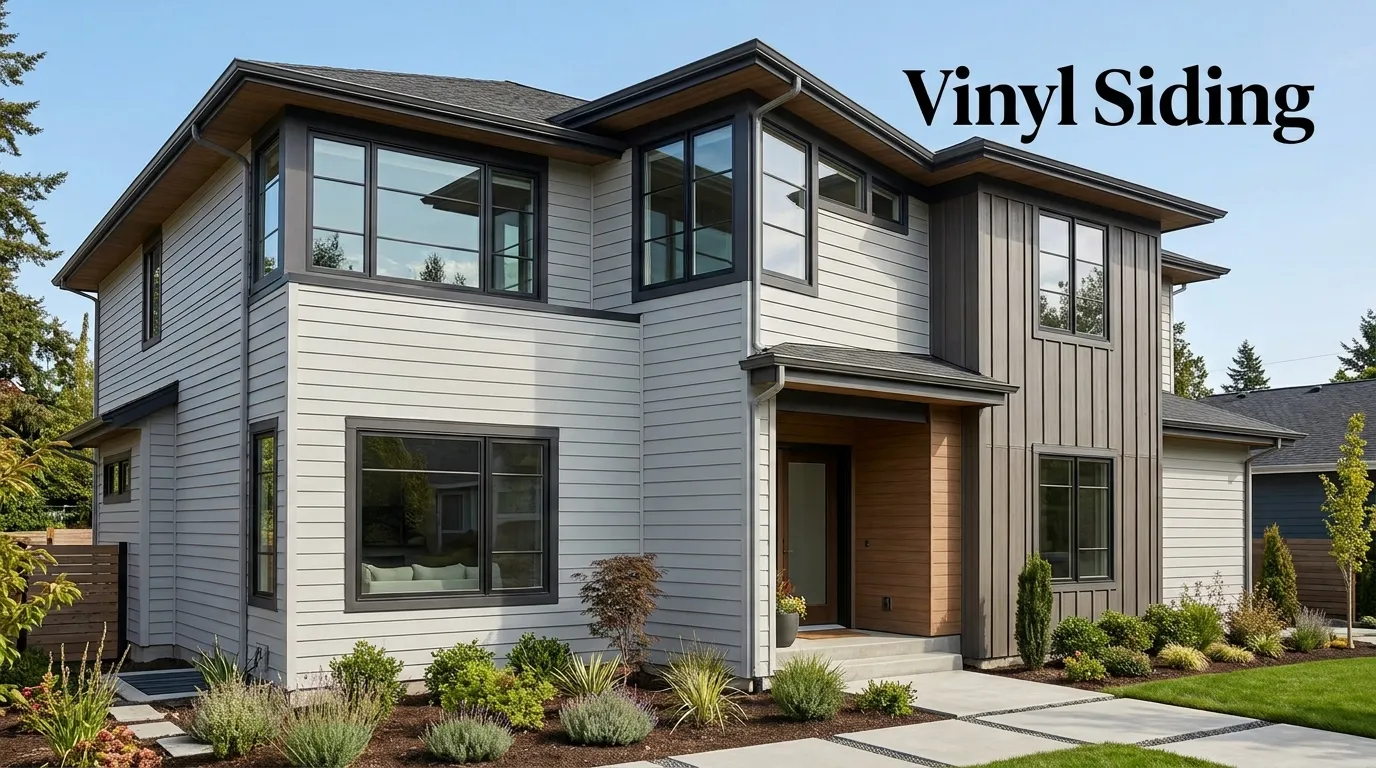
Vinyl siding is a practical exterior choice for U.S. homeowners who want manageable costs, broad design options, and limited routine upkeep. Modern products come in horizontal lap, board-and-batten, shake, shingle, and other profiles that can suit both traditional and newer homes. The bigger decision is choosing the right grade, installation quality, and style for your climate and budget.
| Quick fact | What U.S. homeowners should know |
|---|---|
| Typical installed cost | About $3–$12 per square foot, with project totals varying by home size, product grade, labor, removal, and trim |
| Common lifespan | Roughly 20–40 years, with climate, impact exposure, quality, and care affecting service life |
| Maintenance | Periodic washing, inspections, and prompt repair of loose or damaged panels |
| Popular styles | Clapboard, Dutch lap, board-and-batten, shake, shingle, beaded, and other profiles |
| Main advantages | Affordable, low maintenance, wide color selection, and no routine staining |
| Main drawbacks | Heat sensitivity, possible impact damage, fading, and a less natural appearance than some premium materials |
Direct answer: For many U.S. homeowners, this siding makes sense when budget and low upkeep matter most. Installed prices commonly run about $3 to $12 per square foot. Service life often reaches 20 to 40 years, depending on product grade, climate, installation quality, impact exposure, and routine care.
Key Takeaways
- Budget using installed square footage rather than your home’s interior floor area.
- Midgrade or premium panels can be worth considering in areas with harsh weather.
- Correct installation must allow the panels to move as temperatures change.
- Inspect the exterior after hail, wind, and severe storms.
- Choose colors and profiles with the home’s architecture and neighborhood in mind.
- Compare several contractor quotes that list materials, labor, removal, trim, and warranties separately.
What Is This Type of House Siding?
This exterior cladding is primarily made from polyvinyl chloride, or PVC, formed into panels that cover and protect exterior walls. Manufacturers offer smooth and textured surfaces, with profiles designed to resemble clapboard, shakes, shingles, and vertical boards. The material has become common on American homes because it combines relatively low upfront costs with minimal painting requirements.
Unlike wood, the panels don’t rot from normal moisture exposure or require recurring staining to preserve the surface. Their factory-applied color also reduces the maintenance associated with painted exterior materials. Homeowners still need to watch for cracks, loose sections, stains, and problems around openings where water could reach the wall assembly.
Home Votel’s guide to modern renovation ideas for the home also highlights exterior improvements as part of a broader remodeling plan. That approach is useful because siding rarely exists in isolation from windows, doors, roofing, lighting, and landscaping. Coordinating those elements can produce a more intentional exterior than choosing each upgrade separately.
How Much Does Vinyl Siding Cost in 2026?
Current U.S. estimates commonly place professional installation at roughly $3 to $12 per square foot, although individual projects can land outside that range. Fixr reports a national project range of about $6,000 to $24,000, while Angi reports approximately $6,370 to $18,375 for many installations. These figures are planning benchmarks rather than quotes for a specific property.
Several factors can move your price considerably even when two houses have similar floor areas. Exterior wall area, multiple stories, architectural details, removal of old cladding, trim work, repairs, insulation, local labor rates, and product grade all affect the final bill. A house with numerous corners, dormers, windows, and gables usually requires more cutting and finishing than a simple rectangular structure.
Material thickness and profile also matter because builder-grade panels usually cost less than thicker residential or premium products. Angi’s 2026 figures show rising costs as panel thickness and performance features increase, with insulated and decorative choices generally reaching the upper end of the range. Ask contractors to identify the exact product line and thickness instead of comparing bids only by total price.
Pros and Cons Homeowners Should Weigh
The strongest reasons to choose this material are its combination of price, color selection, and modest maintenance needs. It can refresh an aging exterior without creating the painting schedule associated with traditional wood cladding. It also gives homeowners access to numerous profiles without requiring the budget of some masonry or premium composite products.
The trade-offs become more important in demanding climates or locations exposed to frequent impact. Panels can crack after severe impacts, become brittle in cold conditions, or distort in excessive heat. UV exposure can also change the appearance over time, particularly on heavily sunlit elevations.
| Advantages | Tradeoffs |
|---|---|
| Relatively affordable installation | Can crack from impact or severe cold |
| No routine staining required | Heat can cause distortion if conditions or installation are unsuitable |
| Wide choice of colors and profiles | Older surfaces may fade over time |
| Straightforward cleaning | Individual damaged panels may need replacement |
| Resistant to rot and insect damage | Does not reproduce the feel of real wood perfectly |
If visual improvement is a major goal, think beyond the wall surface itself. Home Votel’s curb appeal upgrade ideas cover windows, landscaping, exterior lighting, garage doors, and roof condition, along with other facade improvements. Coordinating several visible features can make a siding project feel like a complete exterior update rather than a single-material replacement.
Styles and Grades to Consider
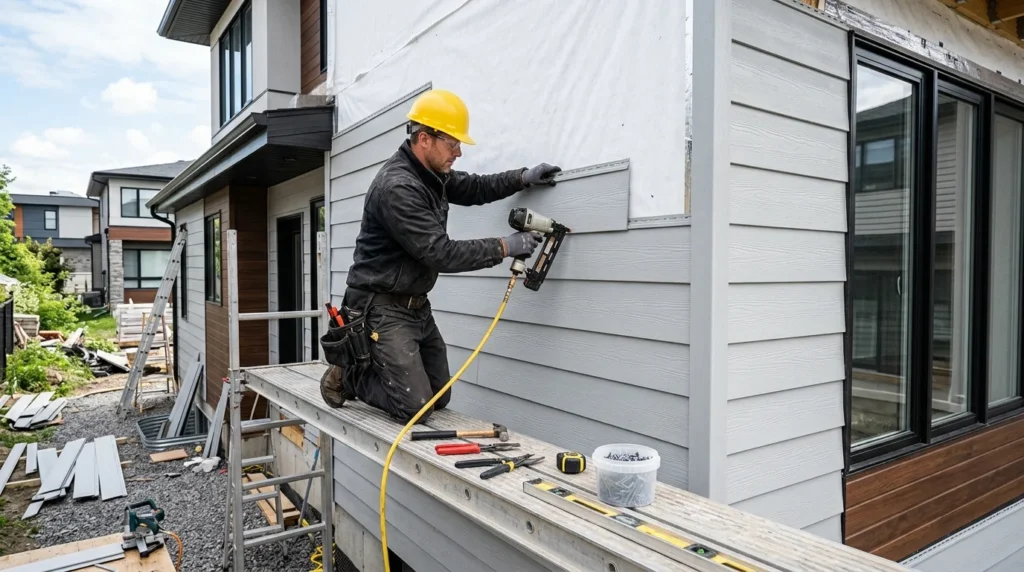
Horizontal clapboard remains a familiar choice because it works with many American architectural styles and is widely available. Dutch lap adds a more pronounced shadow line, while board-and-batten uses vertical lines that suit farmhouse and contemporary designs. Shake and shingle profiles can add texture to gables or other accent areas without covering the whole house in a more expensive specialty panel.
Thickness is another useful comparison point, but it shouldn’t be the only specification you evaluate. Thicker residential grades generally offer greater rigidity than thin builder products, while premium choices may include foam backing or other performance features. The warranty, wind rating, color technology, accessory system, and installer requirements should also influence your selection.
Color deserves attention before ordering because the exterior may remain in place for decades. Look at physical samples outdoors during morning, midday, and late-afternoon light rather than choosing from a small screen image. Consider the roof, trim, windows, masonry, garage door, and nearby homes before committing to a large amount of material.
How Long Can the Exterior Last?
A reasonable planning range is about 20 to 40 years, although individual installations can last shorter or longer. Angi places typical service life around 30 to 40 years in milder conditions and closer to 20 years where temperature extremes create more stress. Product quality, installation, sun exposure, storm damage, and maintenance all influence when replacement becomes necessary.
Age alone shouldn’t determine whether you replace the exterior. Widespread cracking, repeated loose panels, warping, severe fading, trapped moisture, and recurring repairs can signal that the system deserves professional evaluation. A single damaged section, by contrast, may only require a localized repair when matching material is available.
Storm inspections are especially useful because wind and flying debris can damage walls at the same time they affect the roof. Home Votel’s guide to deciding between roof repair and replacement offers a similar condition-based approach for another major exterior component. Evaluating the whole building envelope after severe weather can help you catch related problems before interior damage appears.
Installation Quality Matters More Than It Looks
These panels expand and contract as outdoor temperatures change, so installers cannot fasten them as if they were rigid boards. Industry installation guidance calls for centering fasteners in designated slots and leaving clearance so panels can move instead of being pinned tightly to the wall. Improper fastening can contribute to buckling, distortion, or wavy-looking courses.
Correct detailing around windows, doors, corners, penetrations, soffits, and trim is equally important. The cladding sheds water, but the full wall system still depends on suitable flashing and a properly prepared weather-resistant layer behind the finished surface. A clean-looking installation therefore depends on work you may not see once the project is finished.
DIY installation is possible for experienced homeowners, but larger jobs involve ladders, cutting, flashing details, layout, and long runs that make mistakes costly. Professional work can be the safer choice on multi-story homes or projects with complex elevations. Ask each bidder who performs the installation, what manufacturer instructions they follow, and how workmanship problems are handled after completion.
Maintenance, Cleaning, and Repairs
Routine care is fairly simple compared with painted wood exteriors. Wash dirt and organic buildup with methods approved by the product manufacturer, then inspect around seams, trim, penetrations, and areas exposed to impact. Angi recommends washing once or twice a year and checking for damage after severe storms. You might also like Wooden Bench.
Don’t treat every stain as a reason to replace the panel, because many surface issues can be cleaned. Cracked, warped, or loose panels require a different response because cosmetic cleaning will not restore their physical condition. Repair damaged areas promptly so you can check surrounding components and the wall behind them as needed.
Pay attention to nearby roof and gutter conditions as part of exterior maintenance. Chronic water discharge, damaged flashing, or roof problems can affect several parts of the facade at once. Home Votel’s article on regular roof repair and preventive care provides useful context for treating exterior maintenance as a connected system.
Energy Efficiency and Insulated Options
Standard panels are primarily an exterior cladding rather than a complete insulation system. Insulated products add a foam backing that can improve thermal performance and provide a more rigid feel, but the actual effect depends on the entire wall assembly. Windows, air sealing, attic insulation, HVAC performance, and local climate can affect household energy use just as much.
This means an energy-saving decision should consider more than one exterior product. If older windows are also due for replacement, Home Votel’s guide to the benefits of sliding windows discusses insulation, glazing, and low-E options that can be evaluated alongside a facade project. Coordinating window and wall work may also simplify exterior trim and flashing details.
Homeowners in hot, cold, coastal, and storm-prone regions should ask contractors for products appropriate to local exposure. Wind ratings, impact concerns, temperature movement, and manufacturer installation rules can matter more than a small difference in material price. Local building-code requirements and manufacturer documentation should guide the final specification.
Can You Paint the Panels?
Painting can be possible when existing panels are structurally sound, and the coating is designed for the material. Proper preparation matters because dirt, chalking, mildew, or damaged surfaces can undermine adhesion and appearance. Product and color choices also need care because excessive heat absorption can contribute to warping.
Check the siding and paint manufacturers’ requirements before changing the factory finish. Painting may affect warranty coverage, and severely cracked or warped sections should be repaired or replaced rather than hidden beneath a coating. If the exterior is nearing the end of its useful life, compare the cost of painting with the remaining service life before committing.
How to Choose the Right Product and Installer
A good purchase starts with a clear specification, not a vague request for the lowest project price. Ask each contractor to quote comparable materials and to identify every major cost included in the proposal. This makes it easier to see whether a lower bid comes from cheaper panels, less trim work, omitted removal, or a genuine labor-price difference.
Use this checklist before signing:
- Measure exterior wall area rather than relying only on interior square footage.
- Compare at least three written contractor estimates.
- Record the manufacturer, product line, profile, thickness, and color.
- Confirm whether old materials, disposal, trim, housewrap, and repairs are included.
- Ask about workmanship and manufacturer warranties separately.
- Check licensing and insurance requirements in your state or municipality.
- Request recent local references for similar exterior projects.
- Clarify how hidden sheathing or moisture damage will be priced if discovered.
- Review the payment schedule before work begins.
- Keep product information and leftover matching panels after completion.
Price should be one part of the decision, not the only part. A correctly installed midrange product can be a better purchase than a premium panel installed carelessly. The goal is to match material quality, climate needs, contractor skill, and how long you expect to stay in the home.
Frequently Asked Questions
How long does vinyl siding last?
A common planning range is about 20 to 40 years, although climate and product quality can move that figure in either direction. Heat, cold, hail, UV exposure, installation errors, and deferred repairs can shorten service life. Regular inspections help identify isolated problems before they spread.
Is it worth installing on an older house?
It can be a sensible choice when the existing exterior is deteriorated and you want a lower-maintenance replacement at a moderate cost. The project also creates an opportunity to inspect sheathing, flashing, and other components hidden by the old exterior. Older or historic homes may require extra design care if preserving original architectural character is a priority.
Does it need to be replaced after hail damage?
Not every hail event requires a complete replacement. Inspect for holes, cracks, loose panels, broken corners, and damage around trim, then have questionable areas evaluated. Localized damage may be repairable, while widespread impact can make broader replacement more practical.
Should I choose insulated panels?
Insulated products are worth considering if you want added rigidity and another layer of thermal resistance. Their value depends on your climate, wall construction, energy goals, and the price difference from standard material. Compare the added cost with other efficiency improvements before treating one product as a complete energy solution.
Final Takeaway
For many American homes, this exterior material offers a useful balance of cost, appearance, and low routine maintenance. The strongest projects pair an appropriate product grade with careful installation, realistic climate expectations, and coordinated exterior details. Before buying, compare several itemized local quotes and make sure each contractor is pricing the same scope of work.