


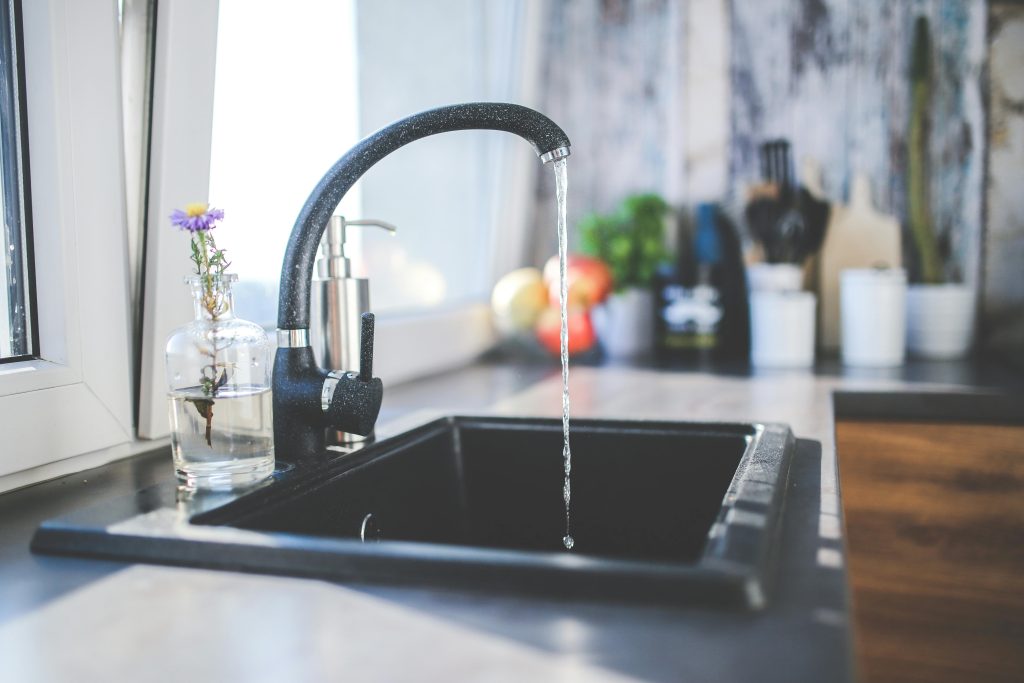
As a homeowner, understanding your home’s plumbing system is essential for effectively maintaining and troubleshooting any issues that may arise. While plumbing problems can seem intimidating, having a fundamental knowledge of how your plumbing system operates can help you prevent costly repairs and ensure everything runs efficiently. This beginner’s guide breaks down the key components of your home’s plumbing system and offers practical tips on how to care for it properly.
The Water Supply
The water supply is one of the most critical components of your home’s plumbing system. It encompasses both the incoming water line delivering fresh water into your home and the outgoing drainage system that disposes of wastewater. The incoming water supply typically connects to a municipal water main or a private well. Knowing the location of your main shut-off valve is crucial for emergencies like pipe bursts or leaks. The outgoing drainage system includes pipes carrying wastewater away from fixtures such as sinks, toilets, showers, and appliances to either the city sewage system or an on-site septic tank. If your home has a septic tank, it’s important to schedule periodic professional pumping and maintenance, like the services offered by George Allen Wastewater Management, to prevent costly failures and maintain optimal operation.
Types of Pipes
Residential plumbing uses various pipe materials, each with specific pros and cons. Common options include copper, PVC, PEX, and galvanized steel pipes. Copper pipes are highly durable, corrosion-resistant, and ideal for hot and cold water lines but are more expensive. PVC pipes provide a cost-effective, lightweight solution for drain and vent lines but may become brittle under prolonged UV exposure. PEX pipes are flexible and easy to install, excellent for tight spaces; however, they should be shielded from direct sunlight to avoid damage. Galvanized steel pipes, prevalent in older homes, tend to corrode and clog over time and are no longer recommended for modern plumbing installations.
Read More: End of Lease Cleaning vs. Deep Cleaning
Fixtures and Appliances
Fixtures and appliances form the interface between your plumbing system and daily living, providing access to clean water for drinking, cooking, bathing, and cleaning. Common fixtures include faucets, sinks, toilets, showers, tubs, dishwashers, washing machines, and water heaters. Regular maintenance such as checking for leaks, ensuring proper installation, and timely repairs is vital to prevent water damage and maintain efficiency. For instance, inspecting your water heater annually for rust, sediment buildup, or leaks can extend its lifespan and prevent sudden failures that could cause flooding.
Common Plumbing Issues
Even with proper care, homeowners commonly face plumbing challenges like clogged drains, leaky faucets, running toilets, low water pressure, and sewer backups. Early detection is key to minimizing damage and repair expenses. For example, minor drain clogs can often be resolved with a plunger or drain snake instead of harsh chemical cleaners that may degrade pipes over time. Promptly addressing dripping faucets or continuously running toilets can save both water and money on utility bills.
Maintenance Tips
Implementing regular maintenance routines is crucial to prevent plumbing issues. Consider these best practices:
- Regularly inspect all visible pipes and fixtures for leaks
- Avoid pouring grease, oil, or food scraps down drains
- Use drain strainers to catch hair and debris
- Insulate exposed pipes during cold months to prevent freezing
- Schedule annual professional inspections and maintenance
Gaining a solid understanding of your home’s plumbing system—from the water supply and pipe types to fixtures, common problems, and maintenance—will empower you to address issues confidently. Regular upkeep not only extends the longevity of your plumbing but also ensures your household runs efficiently. Don’t hesitate to contact a trusted plumbing service like Advantage Plumbing, Inc. for routine inspections or urgent repairs. Investing in your plumbing system today safeguards your home and provides peace of mind for years to come.
Additionally, staying informed about the latest plumbing technologies, such as water-efficient fixtures and smart home water monitoring systems, can further optimize your plumbing’s performance and reduce water waste. Modern advancements are designed to help homeowners save money while protecting the environment. Exploring resources such as Gutter Cleaning in Home Maintenance within our Cleanin category can provide valuable insights into these innovations and how to implement them in your home.