
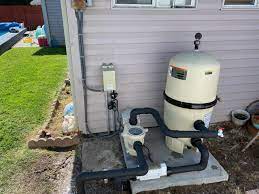
Maintaining crystal-clear pool water requires an efficient filtration system, and understanding the various types of pool filters is essential for choosing the perfect solution for your needs. Pool filters play a vital role in removing dirt, debris, and microscopic particles, ensuring your pool water remains clean, safe, and inviting. In this comprehensive guide, we’ll explore the three primary types of pool filters—Diatomaceous Earth (DE), Cartridge, and Sand—highlighting their distinct features, benefits, and limitations to help you make an informed decision. You might also like Trusted pool contractors in miami fl and nearby areas.
The Basics of Pool Filtration
All pool filters operate on a screening principle, designed to trap contaminants as water flows through the system. When evaluating filtration options, consider two key factors:
- Filter Rate: Measured in gallons per minute (GPM), this indicates the volume of water a filter can process over time.
- Filter Area: Measured in square feet, this represents the total surface area available for filtering particles.
Another important metric is filtration efficiency, typically measured in microns—one-millionth of a meter. A smaller micron rating means the filter can remove finer particles, leading to clearer, safer pool water. Let’s delve deeper into the three leading types of pool filters available today.
1. Diatomaceous Earth (DE) Filters: The Pinnacle of Pool Filtration
Micron Size: Removes particles as small as 2 microns.
Diatomaceous Earth (DE) filters are considered the most effective pool filters on the market. They utilize a fine powder made from fossilized diatoms to coat filter grids, capturing even the tiniest particles that other filters might miss. This results in exceptional water clarity and purity.
Pros:
- Unmatched filtration quality, delivering crystal-clear pool water.
- Excellent for high-traffic pools and environments prone to dust and debris.
Cons:
- Maintenance Intensive: DE filters require regular backwashing and thorough cleaning 1-2 times per year.
- Higher Cost: They are the priciest filter option, sometimes necessitating additional equipment like separation tanks depending on local regulations.
- Environmental Restrictions: Disposal of DE powder is regulated in some areas, limiting its applicability.
For pool owners who prioritize superior water quality and don’t mind routine maintenance, DE filters remain the top choice.
2. Cartridge Filters: Environmentally Friendly and Easy to Maintain
Micron Size: Removes particles as small as 10 microns.
Cartridge filters are favored by pool owners seeking a balance between filtration performance and ease of use. They employ pleated polyester cartridges that capture debris without requiring backwashing, conserving water and reducing waste.
Pros:
- Eco-Friendly: No backwash waste and lower operating pressure promote environmentally responsible pool care.
- Simple Maintenance: Cartridges can be easily removed and rinsed with a garden hose.
- Reduced Installation Costs: Lack of a multiport valve reduces plumbing complexity and expense.
Cons:
- Limited Lifespan: Cartridges typically need replacement every 2-3 years, shorter than other filter types.
Cartridge filters are the ideal choice for those valuing convenience, environmental impact, and moderate filtration efficiency.
3. Sand Filters: Affordable and Reliable
Micron Size: Removes particles as small as 30 microns.
Sand filters are the oldest and most budget-friendly pool filtration option, known for their durability and low maintenance. They typically use #20 silica sand, ZeoSand, or Filterglass as media to trap debris as water passes through.
Pros:
- Budget-Friendly: Sand filters offer the most affordable initial cost, making them popular among cost-conscious pool owners.
- Low Maintenance: Requires occasional backwashing; sand media replacement is typically necessary every seven years.
Cons:
- Less Effective Filtration: Sand filters cannot capture the smaller particles that DE and cartridge filters can.
Despite lower filtration efficiency, sand filters remain popular due to their reliability, ease of use, and affordability for residential pools.
Choosing the Right Filter for Your Pool
Choosing the ideal pool filter depends largely on your priorities, including water clarity, maintenance preferences, environmental considerations, and budget. Additionally, your pool pump’s flow rate must correspond with the filter’s capacity for optimal performance. Generally, it’s recommended to have one square foot of filter area for every 10,000 gallons of pool water to achieve proper filtration.
Aside from filter type and capacity, other factors such as pool size, swimmer load, local environmental conditions, and available maintenance time should guide your choice. Investing in energy-efficient pumps and maintaining balanced pool chemistry will also enhance your filtration system’s effectiveness and longevity.
Professional Aquatic Services: Your Trusted Partner in Pool Maintenance
Maintaining pristine pool water requires more than just selecting the right filter—it demands expert installation, regular servicing, and tailored maintenance plans. At Professional Aquatic Services, we specialize in providing comprehensive pool filtration solutions optimized for your unique needs, ensuring your pool stays clean, safe, and enjoyable year-round.
Whether your pool requires an upgrade to modern filtration technology or a complete system overhaul, we offer reliable services with premium quality products pool resurfacing in Lake Mary. Contact us today to discover how our professional team can help you maintain the perfect pool environment efficiently and affordably.