
In today’s world, interior design has become more popular than ever before. Interior design professionals collaborate closely with architects and engineers to determine the best ornamental and functional features that make a space both practical, safe, and visually appealing. There are numerous interior design styles and approaches, each offering its own unique flavor, finish, and experience, shaped by diverse cultural inspirations, historical contexts, and creative visions. Understanding the differences between popular interior design trends can be incredibly useful. It helps you select the perfect style to fit your specific goals and available space, achieving visual harmony with greater ease. For homeowners, exploring interior design is a creative journey that allows them to express their personality, whether renovating or building anew. Consider adding Smart Home Security System as a modern style option. Contemporary trends highlight wallpaper as a form of decorative art, making 2024’s home design embrace bold prints featuring geometric patterns, natural scenes, abstract shapes, and vivid human and animal imagery.
Refining your preferred design aesthetic and aligning your decor choices with a cohesive theme can be challenging. To assist you, we’ll share top interior design tips that will inspire you to create a stylish home that genuinely reflects the owner’s personality. It’s interesting to note that some interior design trends complement specific architectural styles more effectively than others. While every décor can be personalized, certain styles harmonize better with your home’s structural design. Keep reading as we explore the best home interior design ideas tailored to various types of residences.
Top Five Interior Designing Ideas:
1. Modern Design
The Modernist style, originating in the early 20th century and influenced by the preceding Modernist art movement, revolutionized how we connect with space and aesthetics. No longer seen as mere shells, buildings transformed into dynamic living environments. Modernist interiors are characterized by a thoughtful blend of functional layouts, clean lines, and geometric precision. This design philosophy values simplicity in both form and function, emphasizing the inherent qualities of materials and sustainable construction.
2. Minimalist Interiors
Minimalist design distills the essence of modernism into a pristine and subdued palette. Influenced by the Minimalist art movement of the 1960s and ’70s, as well as traditional Japanese design and Zen philosophy, minimalism focuses on functionality and space efficiency. It removes clutter and distractions to highlight essential elements. Spaces prioritize well-executed craftsmanship, subtle detailing, and clever concealed storage. Neutral tones dominate, with strategic accents adding focus and personality.
3. Scandinavian Design
Rooted in democratic design principles, Scandinavian design balances warmth and simplicity with practicality and efficiency. This style emphasizes natural materials, clean lines, and minimal ornamentation. A neutral color palette—primarily blacks, whites, and greys—creates a soothing backdrop, accented occasionally with blues or earthy hues for visual interest. Scandinavian interiors feel cozy yet uncluttered, making them ideal for creating inviting, functional living areas.
4. Contemporary Styles
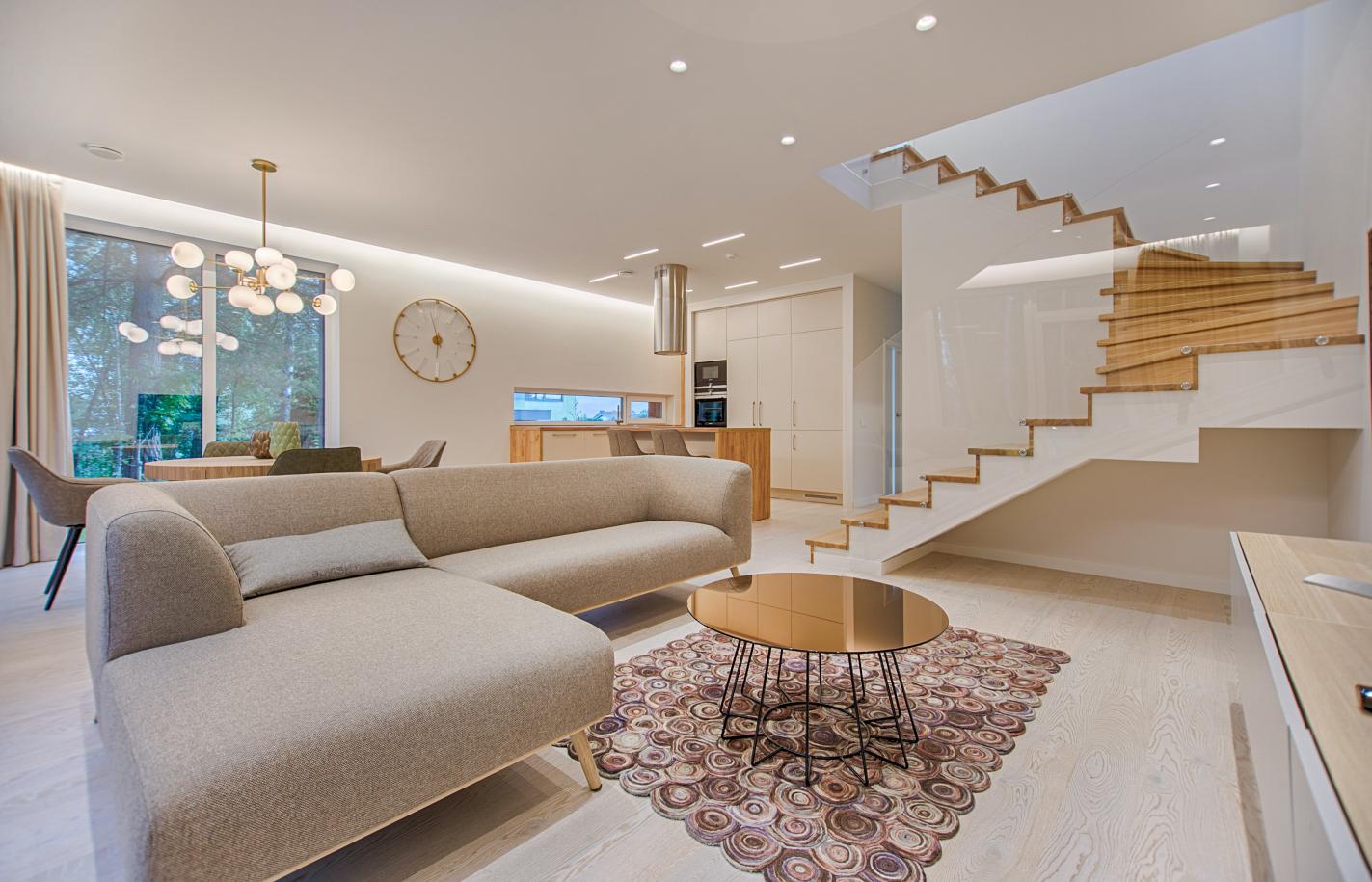
Contemporary design is dynamic and ever-evolving, reflecting current trends and tastes rather than fixed rules. Differing from modernist principles, contemporary interiors adopt a softer, more rounded approach that blends practicality with visual comfort. In 2024, contemporary spaces often draw inspiration from Mid-Century Modern elements, integrating them with modern materials and textures. This results in interiors that are both inviting and aesthetically pleasing, balancing luxury and simplicity.
5. Urban Style
Urban interior design captures the raw, edgy vibe of metropolitan living. It embraces industrial elements like exposed brick, ductwork, and metal accents while experimenting with unconventional materials. Urban style often combines these with softer finishes and light color palettes, creating a balanced fusion of gritty and refined aesthetics. This eclectic approach favors artistic expression, sometimes featuring bohemian touches and unexpected details that make every urban-inspired home feel unique and vibrant.
Expanding Your Interior Design Horizons:
Staying updated with the latest interior design trends and styles empowers homeowners to transform their living spaces into personalized sanctuaries that resonate with their lifestyle and tastes. In 2024, sustainable and eco-friendly design choices continue to gain traction, encouraging the use of organic materials and energy-efficient solutions. Incorporating biophilic elements, such as indoor plants and natural light, enhances not only aesthetics but also well-being. Whether you lean towards minimalism, classic modernism, or bold urban designs, blending timeless principles with contemporary innovations allows you to create interiors that are both functional and inspiring. Embrace your creative freedom to craft a space that tells your unique story.
Wrapping up:
Interior design encompasses a wide range of formats and styles—some distinctly unique, others with subtle variations. Professionals in this field work alongside architects and engineers to identify the best combinations of decorative and practical features that optimize a room’s safety, usability, and appeal. For homeowners, embracing interior design offers an exciting opportunity to express individuality, whether remodeling or designing from scratch. Use this guide to discover fresh ideas and find the ideal style that elevates your home’s character and charm.
Want to know aboutThe Best Sectional Couches for Large Living Rooms: Comfort, Style, and Functionality Check out our’Interior Design‘category