


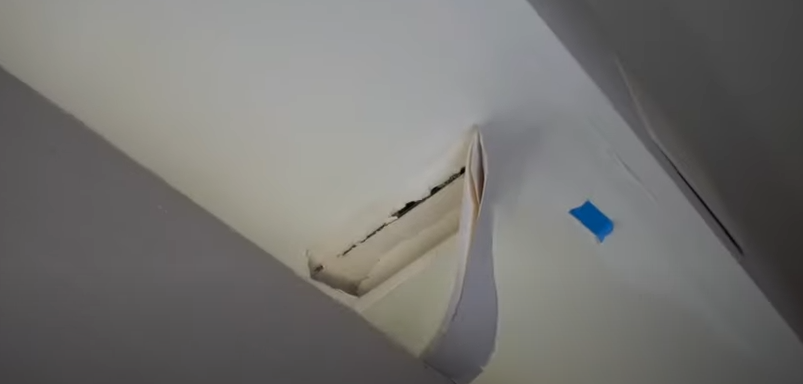
Water damage can be devastating, whether caused by a burst pipe, heavy rain, or appliance malfunction. When your home or business suffers from water damage, a professional water damage restoration process is crucial to prevent further destruction, mold growth, and structural issues. But what exactly happens during water damage restoration?
In this guide, we’ll walk you through the step-by-step process of expert water damage restoration restoration so you know what to expect and how professionals restore your property safely and efficiently after water damage.
Step 1: Emergency Contact and Immediate Response
The very first and most critical action is to contact a professional water damage restoration service immediately. Water can spread rapidly, escalating damage within hours.
What Happens During This Step?
- A restoration crew is dispatched right away, often available 24/7 for emergency situations.
- You provide key details about the water damage, including source, severity, and affected zones.
- The company prepares specialized equipment and assigns expert personnel before arriving.
💡 Pro Tip: If it’s safe, turn off the water supply to minimize further flooding from burst pipes or leaks before help arrives.
Step 2: Inspection and Damage Assessment
Upon arrival, specialists conduct a comprehensive inspection to evaluate the damage’s scope and severity.
What Do Professionals Check?
- Water category – Distinguishing between clean water (pipes), grey water (appliances), or black water (sewage or external flooding).
- Damage extent – Determining how far water has infiltrated materials like walls, flooring, and furniture.
- Safety risks – Identifying electrical hazards, structural weaknesses, or contamination issues.
Tools Used for Assessment:
- Moisture meters – To measure water content inside building materials.
- Infrared cameras – To detect hidden moisture behind walls and ceilings.
- Hygrometers – To monitor indoor humidity levels and prevent mold development.
Based on this inspection, a detailed restoration plan is created, outlining necessary actions and projected timelines.
Step 3: Water Extraction and Removal
Removing standing water quickly is critical to mitigate damage and prevent mold growth.
How is Water Removed?
- Industrial-grade pumps and wet vacuums – Efficiently extract large amounts of water.
- Portable wet vacuums – Used for smaller pools of water on carpets and furniture.
- Sump pumps – Remove water from basements or other low-lying areas basements or crawl spaces.
💡 Fact: Water can penetrate drywall, wood, and carpet within minutes, enabling mold growth within 24-48 hours. Prompt water removal is essential!
ServiceProWaterDamage.com provides top-tier Water Damage Restoration in Seattle services, combining rapid water extraction with advanced technology to safeguard your property and prevent further deterioration.
Step 4: Drying and Dehumidification
Once standing water is eliminated, the affected areas must be thoroughly dried to eradicate residual moisture.
Why is Drying Important?
- Prevents the growth of mold and mildew.
- Avoids warping or rotting of wood and drywall.
- Minimizes risk of structural damage over time.
Drying Techniques Used:
- High-speed air movers – Boost evaporation by circulating air.
- Dehumidifiers – Extract moisture from air to maintain dry conditions.
- Drying mats and floor fans – Focus on wet flooring, carpets, and hardwood surfaces.
💡 Tip: Drying may take several days depending on damage extent. Moisture detection tools ensure the area is completely dry before moving forward.
Step 5: Cleaning and Sanitization
Water damage can introduce harmful contaminants, bacteria, and mold spores, so sanitizing affected areas is vital.
How is Cleaning Done?
- Antimicrobial treatments – Prevent mold and bacteria growth.
- Deodorization methods – Remove musty odors caused by water damage.
- Deep cleaning of furniture and carpets – Removes stains, odors, and toxins Removes dirt.
If black water contamination is present, extensive cleaning and disinfection are necessary to ensure the environment is safe.
💡 Fact: Even clean water damage can lead to bacterial growth and odor issues if untreated beyond 48 hours.
Step 6: Repair and Restoration
With the area fully dried and sanitized, restoration specialists begin the final phase—repairing and restoring your property to its pre-damage condition.
Restoration Work May Include:
- Replacing drywall and insulation if damaged significantly.
- Repairing or replacing flooring including carpet, hardwood, or tiles.
- Structural repairs for weakened beams, ceilings, or walls.
- Painting and refinishing to restore aesthetic appeal.
Minor vs. Major Repairs:
✔️ Minor repairs may include repainting, carpet cleaning, or patching drywall.
✔️ Major repairs involve structural work like roof replacements or extensive renovations.
💡 Tip: Many restoration companies coordinate with insurance providers to help cover repair expenses.
Step 7: Final Inspection and Preventive Measures
Before closing the project, professionals perform a thorough final inspection to confirm the property is safe, dry, and fully restored.
Final Inspection Includes:
- Checking for residual moisture using advanced detection tools.
- Confirming completion of all repairs and restoration tasks.
- Providing recommendations for future water damage prevention such as improved drainage and waterproofing.
💡 Tip: Request a detailed restoration report to assist with insurance claims and future property maintenance.
Why Professional Water Damage Restoration is Essential
1. Faster Recovery
Professionals respond swiftly using specialized equipment to ensure rapid water extraction and drying, minimizing damage.
2. Prevents Long-Term Damage
Proper drying and restoration prevents hidden moisture that could lead to mold, structural deterioration, and costly repairs.
3. Reduces Health Hazards
Standing water and damp environments foster mold, bacteria, and allergens harmful to respiratory health.
4. Saves Money in the Long Run
Early professional intervention helps avoid expensive, extensive repairs such as structural replacements.
5. Helps with Insurance Claims
Restoration experts document damage precisely, provide essential reports, and support you through the insurance claim process.
Final Thoughts
Water damage can be overwhelming, but understanding what to expect during the restoration process reduces stress. Taking swift action and relying on professionals ensures your property is safely and efficiently restored.
Have you experienced water damage before? What challenges did you face? Share your experiences and learn how proper restoration can save time, money, and prevent long-term damage!
Additionally, if you want to learn more about “7 Ways to Protect Your Home from Water Damage”, explore our “Home improvement” category for detailed information.
Water damage restoration is not just about fixing visible issues but also about safeguarding your health and property value. Modern restoration techniques involve cutting-edge technology to detect hidden moisture spots, advanced drying equipment to minimize mold risks, and environmentally friendly cleaning agents to ensure safety. Investing in prompt and professional restoration services can extend your building’s lifespan, protect your belongings, and maintain a healthy indoor environment. More homeowners and business owners are recognizing the importance of preventive maintenance and professional restoration services to avoid costly repairs and health hazards associated with prolonged water exposure.