


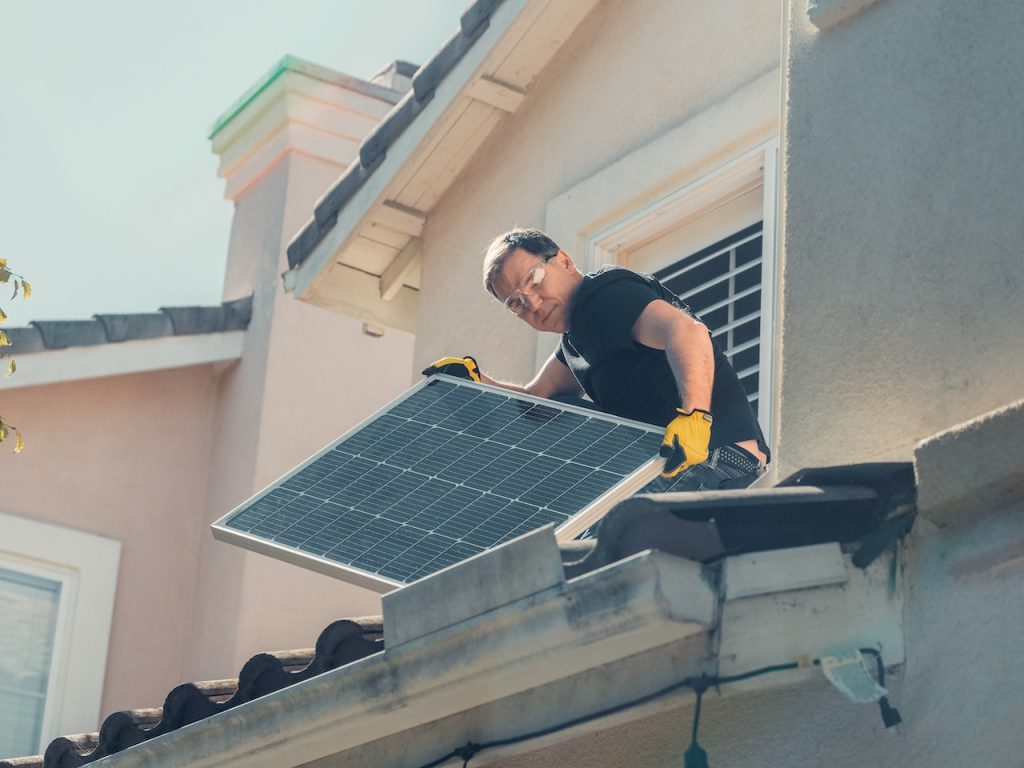
Solar technology continues to surge in popularity as more consumers shift from traditional energy sources to sustainable solar power. Solar panels, also known as photovoltaic (PV) panels, offer an efficient and eco-friendly solution for generating electricity for both residential and commercial use. These panels convert sunlight into clean, renewable energy, helping reduce carbon footprints and energy costs. The market offers various types of solar panels, each with distinct features and advantages. Below, we explore the main types of solar panels suitable for your home to help you make an informed decision.
Monocrystalline Solar Panels
Monocrystalline solar panels are crafted from a single continuous crystal structure of silicon. Renowned for their superior efficiency, these panels feature a sleek black appearance and typically carry a higher price point compared to other types.
Advantages
Key benefits of monocrystalline solar panels include:
- High Efficiency: They boast the highest efficiency rates, producing more electricity per square foot compared to alternative solar modules.
- Long Lifespan: These panels are durable and generally offer a lifespan of 25 to 30 years, making them a long-term investment.
- Strong Low-Light Performance: Monocrystalline panels perform well even under low-light conditions such as cloudy days or during early morning and late afternoon.
- Low-Temperature Coefficient: Their power output remains relatively stable despite temperature fluctuations, maintaining consistent performance.
- Aesthetic Appeal: With their uniform black color, monocrystalline panels are often chosen for their attractive, sleek appearance.
Disadvantages
Potential drawbacks of monocrystalline solar panels include:
- Higher Initial Cost: Their manufacturing complexity results in a higher price point compared to polycrystalline or thin-film panels.
- Reduced Efficiency at High Temperatures: Performance may slightly diminish in extremely hot climates.
- Limited Flexibility: Their rigid design restricts installation options, especially on curved or unconventional surfaces.
- Compatibility Issues: They may not work optimally with older inverter models, potentially limiting their application in some setups.
Polycrystalline Solar Panels
Polycrystalline solar panels are made from multiple silicon crystals melted together, giving them a distinctive blue hue. These panels are generally more affordable than monocrystalline options and are widely used.
Advantages
- Lower Cost: Less expensive to produce, making polycrystalline panels a budget-friendly choice for many consumers.
- Strong Performance in Heat: These panels operate efficiently in high-temperature environments, ideal for sunny, warm climates.
- Wide Availability: Available in numerous sizes and wattages, making them highly accessible for various applications.
- Durability: Robust and more resistant to potential damage, suitable for regions with extreme weather.
Disadvantages
- Lower Efficiency: Less efficient than monocrystalline panels, requiring more space to generate equivalent power.
- Reduced Low-Light Performance: Not as effective as monocrystalline panels in low-light or shaded conditions.
- Faster Degradation: Slightly shorter lifespan with faster efficiency losses over time compared to monocrystalline panels.
Thin-film Solar Panels
Thin-film solar panels are created by depositing photovoltaic material as thin layers onto substrates such as glass, plastic, or metal. Their lightweight and flexible properties make them suitable for specialized installations.
Advantages
- Cost-Effective: Typically less expensive to manufacture, providing an affordable solar solution.
- Flexible and Lightweight: Adaptable for installation on curved or irregular surfaces where traditional panels cannot fit.
- Durability: Resistant to damage, making thin-film panels good for environments with harsh weather.
- Simplified Installation: Their light weight and ability to be cut into various shapes ease the installation process.
Disadvantages
- Lower Efficiency: Typically less efficient than crystalline panels, thus requiring more surface area for the same power output.
- Temperature Sensitivity: Performance may decline with temperature changes.
- Shorter Lifespan: Generally have a shorter operational life compared to crystalline solar panels.
- Limited Availability: Not as widely available, possibly limiting accessibility in certain regions.
- Lower Power Output: May not meet the energy demands of larger installations.
Concentrated Photovoltaic (CPV) Panels
CPV panels utilize lenses or mirrors to focus sunlight onto a small area of highly efficient solar cells, maximizing energy conversion. While more efficient, they are typically larger, more complex, and pricier than traditional panels.
Advantages
- High Efficiency: CPV panels produce more power per unit area due to sunlight concentration.
- Cost-Effective for Large Projects: Reduced number of panels required lowers overall costs in large-scale installations.
- Versatile Climate Use: Suitable for both sunny, dry regions and areas with varied weather conditions.
- Low Maintenance: Their sealed design minimizes dust and debris accumulation.
- Durability: Engineered for longevity, making them an excellent option for utility-scale solar farms.
Disadvantages
- Higher Initial Investment: Greater upfront costs can be a barrier for smaller or residential users.
- Dependence on Tracking Systems: Require precise solar tracking equipment, which increases system complexity and maintenance needs.
- Risk of Overheating: Concentrated sunlight can cause heat build-up, potentially reducing efficiency and lifespan.
Takeaway
Choosing the ideal solar panels for your home involves evaluating factors such as panel efficiency, initial costs, space availability, and your specific energy requirements. Consulting with a reputable professional solar installer is recommended to tailor the best solar solution for your property, ensuring optimal performance and long-term savings.
In recent years, advancements in solar technology have accelerated, leading to increased panel efficiencies and reduced costs. Innovations like bifacial solar panels, which capture sunlight on both sides, and improved energy storage options, have expanded the possibilities for residential solar systems. Moreover, government incentives and tax credits continue to make solar installation more accessible. As sustainability becomes a priority worldwide, investing in solar energy not only protects the environment but also enhances property value and energy independence. Staying informed about the latest solar developments is essential for maximizing your investment and contributing to a greener future.
Want to know about ‘Solar Panels: Strategies That Work‘? Check out our ‘Interior Design‘ category.