
A Bathroom Renovation is an exciting yet intricate project that demands meticulous planning and attention to detail. Without a structured approach, crucial elements can be overlooked, leading to unforeseen expenses and delays. Utilizing a comprehensive checklist guarantees a streamlined renovation process, minimizing stress and disruptions. This detailed guide walks you through every essential stage, ensuring a smooth transformation that maximizes functionality and aesthetics without unnecessary complications.
1. Define the Purpose and Budget
Before undertaking demolition or design modifications, clearly define the purpose of your renovation. Are you aiming to enhance functionality, increase property value, or update the aesthetic? Once the objective is set, establish a realistic budget that encompasses materials, labor, fixtures, permits, and a contingency fund of 10-15% to cover unexpected costs. This financial framework helps prevent overspending and ensures a smooth progression throughout your project.
2. Plan the Layout and Design
A strategic layout plan guarantees that your bathroom remains both practical and visually appealing. Key considerations include:
- Plumbing and Electrical Work: Relocating pipes or wiring significantly increases complexity and cost. Retaining their current positions saves both time and money.
- Storage Needs: Incorporate built-in cabinets, floating shelves, or vanity drawers to optimize space utilization.
- Ventilation: Proper airflow is crucial to prevent mold and maintain air quality. Installing a high-efficiency exhaust fan is highly recommended.
- Lighting Plan: Layered lighting that combines task, ambient, and accent light sources improves both functionality and atmosphere. Consider LED mirrors and dimmable fixtures to enhance the space.
3. Choose Durable and Stylish Materials
Since bathrooms are constantly exposed to moisture, temperature fluctuations, and heavy usage, selecting durable materials is critical. Evaluate the following options:
- Flooring: Opt for waterproof and slip-resistant materials such as porcelain, ceramic, or luxury vinyl tiles.
- Wall Finishes: Use waterproof paints, tiles, or wall panels to guard against water damage.
- Countertops: Quartz, granite, and solid surface countertops resist stains and scratches while offering stylish appeal.
- Fixtures: Invest in high-quality faucets, sinks, and showerheads to ensure longevity and optimal performance.
4. Select Fixtures and Features
Updating or replacing fixtures can refresh your bathroom’s appearance and enhance efficiency. Essential fixtures to consider include:
- Toilet: Choose dual-flush or water-efficient models to reduce water consumption.
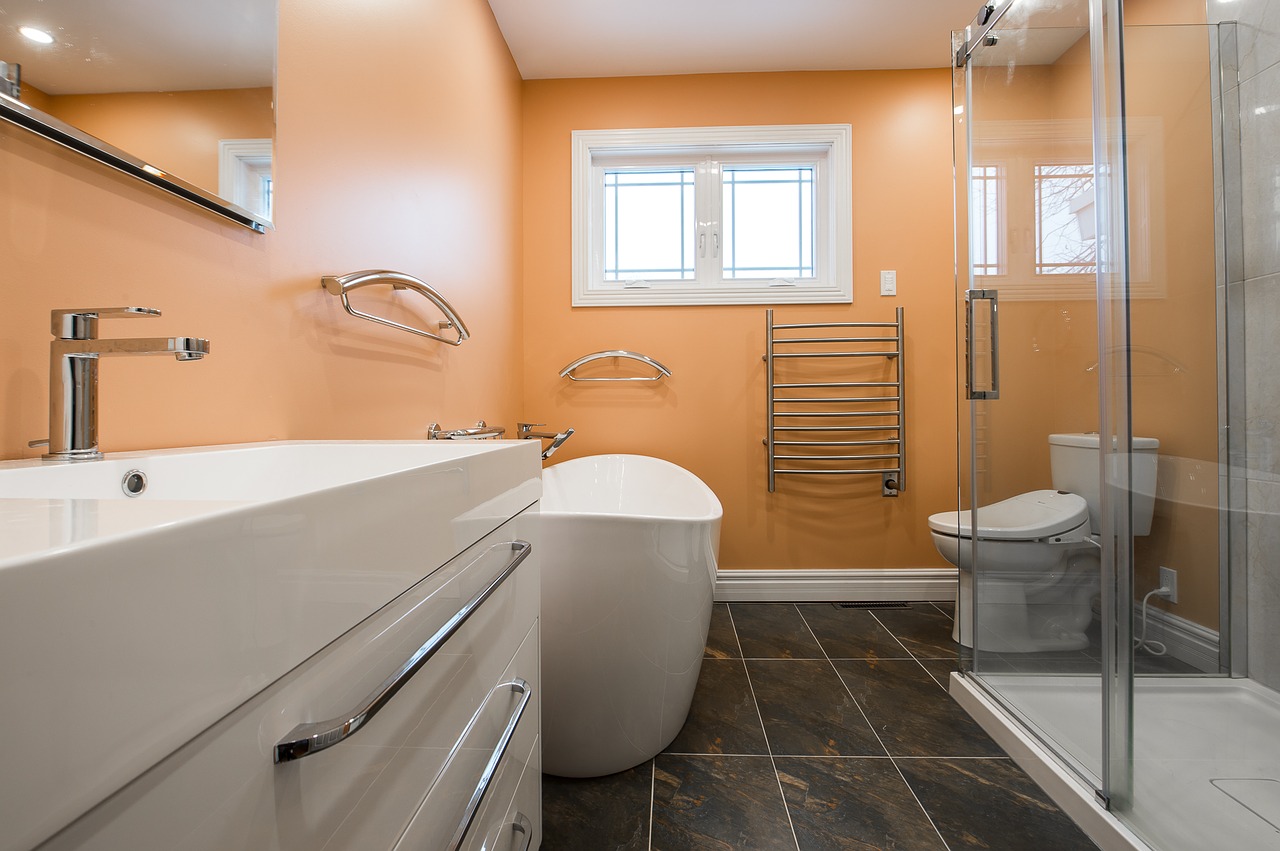
- Shower or Bathtub: Walk-in showers with glass enclosures provide a modern aesthetic, while freestanding tubs add a touch of luxury.
- Vanity and Sink: Wall-mounted vanities help maximize space, and dual sinks offer convenience for shared bathrooms.
- Smart Features: Incorporate motion-sensor faucets, heated floors, and LED mirrors for added comfort and technological flair.
5. Hire the Right Professionals
While minor updates can be handled as DIY projects, comprehensive bathroom renovations typically require experienced professionals to ensure safety and workmanship quality. Consider hiring:
- Plumbers and Electricians: Proper installation is critical to avoid leaks and electrical hazards.
- Tile Installers: Expert craftsmanship ensures a flawless finish.
- Carpenters: Skilled carpentry adds custom cabinetry and refined woodwork for enhanced aesthetics.
Always verify licenses, read client reviews, and review past project portfolios before hiring contractors.
6. Obtain Permits and Follow Regulations
Most bathroom renovations require permits, especially for plumbing and electrical modifications. Adhering to local building codes ensures safety and compliance. Neglecting permits risks fines and potential complications during future property sales. Always consult with local authorities or professionals to determine the required approvals before commencing work.
7. Create a Timeline and Schedule
Establishing a clear timeline helps keep your project on track. Below is a typical schedule for bathroom renovations:
- Demolition and Removal: 2-3 days
- Plumbing and Electrical Work: 3-5 days
- Flooring and Tiling: 4-7 days
- Installation of Fixtures: 3-4 days
- Painting and Finishing Touches: 2-3 days
Allow some flexibility in your schedule to accommodate unexpected delays or challenges.
8. Plan for Temporary Bathroom Arrangements
If the bathroom under renovation is your primary or only bathroom, it’s essential to arrange alternatives during construction. Consider using guest bathrooms, renting portable showers, or setting up temporary washing stations. Thoughtful planning in this regard significantly reduces inconvenience for household members.
9. Final Inspection and Quality Check
Before declaring the renovation complete, perform a thorough inspection to ensure all elements function smoothly. Key checks include:
- Leaks: Test faucets, pipes, and drains for any signs of leakage.
- Electrical Safety: Verify that GFCI outlets and lighting are installed correctly and operational.
- Grouting and Sealing: Ensure grout lines are even, smooth, and sealed properly to prevent water intrusion.
- Fixture Stability: Confirm that toilets, vanities, mirrors, and other fixtures are securely mounted.
10. Add Finishing Touches
Final details bring cohesion and personality to your bathroom renovation. Accessories such as towel bars, mats, and decorative accents enhance the space’s character. Incorporating features like soft-close drawers, modern hardware, and efficient storage organizers not only boosts functionality but also elevates the overall design appeal.
Conclusion
Undertaking a bathroom renovation can be a hassle-free journey with an organized and detailed plan. Every stage—from defining your budget and layout to selecting materials and conducting final inspections—contributes to a successful project outcome. For optimal results, especially in Woodbridge and surrounding areas, partnering with a trusted expert like Smart Renovations ensures quality craftsmanship and efficiency. With the right preparation and professional guidance, you can transform your bathroom into a stylish and functional sanctuary effortlessly.
Additionally, staying updated with the latest innovations and eco-friendly options can greatly enhance your bathroom’s long-term value and sustainability. Incorporating water-saving fixtures, energy-efficient lighting, and sustainable materials not only reduces environmental impact but also lowers utility bills. Modern smart technologies, including automated lighting controls and leak detectors, offer convenience and peace of mind. Prioritizing these elements in your renovation plan will ensure your bathroom remains contemporary, efficient, and environmentally conscious for years to come.
FAQ’s
A standard bathroom remodel typically takes 2-4 weeks, while extensive renovations may extend to 6-8 weeks, depending on complexity and contractor availability.
Maintain existing plumbing layouts, choose budget-friendly materials, and obtain multiple contractor quotes. DIY tasks like painting can also reduce costs.
Current trends feature walk-in showers, floating vanities, matte black fixtures, and smart technology such as heated floors and LED mirrors.
Minor updates like painting or hardware replacement can be DIY projects, but major renovations require professional expertise for safety and quality assurance.
A combination of task lighting (vanity lights), ambient lighting (ceiling fixtures), and accent lighting (LED mirrors) provides optimal illumination and ambiance.
For more top modern renovation ideas that can help upgrade your home, check out Top Modern Renovation Ideas to Upgrade Your Home.
For more top modern renovation ideas that can help upgrade your home, check out Top Modern Renovation Ideas to Upgrade Your Home.