


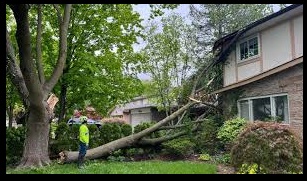
Storms can be devastating, leaving behind widespread destruction that severely impacts homes, businesses, and entire communities. The aftermath often involves significant property damage, making restoration efforts both time-consuming and complex. For property owners, recovering from storm damage is not just about rebuilding physical structures—it also involves navigating numerous challenges throughout the restoration process.
In this comprehensive guide, we’ll explore the most common obstacles encountered during storm damage restoration, discuss how homeowners and restoration professionals overcome these challenges, and share essential tips to help streamline recovery efforts effectively.
The Immediate Impact: Assessing the Damage
Following a major storm, the initial challenge is to accurately assess the full extent of the damage. Storm impacts vary widely—from high winds stripping roofs and siding to flooding that infiltrates basements, causing extensive water damage over time. Prioritizing a comprehensive property assessment is essential to identify repairs and replacements needed for a safe and effective restoration.
Safety First
Ensuring safety is the foremost concern when assessing storm damage. Hazards such as downed power lines, shattered glass, unstable structural elements, and slick, water-soaked floors pose significant risks. Property owners should not enter the premises until safety is confirmed—often requiring clearance from emergency personnel or professional restoration teams.
Let’s discuss: Have you experienced a storm recently and faced uncertainty about whether property was safe was safe to enter? How did you manage the situation?
Hidden Damage
One challenging aspect of storm damage is that not all destruction is immediately visible. Water may seep into walls, floors, or crawl spaces, leading to mold growth or structural deterioration that may become apparent only weeks or months later. To avoid further complications, a detailed inspection by certified restoration professionals is recommended to uncover hidden damage.
- Tip: Always engage experienced professionals to inspect vulnerable areas such as your attic, basement, and crawl spaces for signs of water intrusion or mold even if your home’s exterior looks intact.
The Water Damage Dilemma
Water damage remains one of the most frequent and severe consequences of storm impact. Whether due to flooding, burst pipes, or a compromised roof, water intrusion can significantly damage both a property’s structural components and its contents.
Mold Growth and Structural Integrity
Mold can begin developing within 24 to 48 hours in wet environments, worsening damage while posing health risks—particularly for those with allergies, asthma, or weakened immune systems. Prolonged water exposure leads to weakened wood framing and drywall, which may necessitate replacement to maintain the property’s structural integrity.
- Tip: Act promptly after water exposure by removing standing water swiftly and contacting professional water damage restoration specialists restoration service to prevent mold proliferation and structural decay.
Equipment and Expertise
Effective water damage restoration requires specialized equipment such as industrial-grade dehumidifiers, air movers, and water extraction devices. Without proper tools and expertise, DIY attempts often fail to thoroughly dry the property, leaving residual moisture that leads to ongoing damage.
Let’s discuss: Have you ever attempted to manage water damage yourself? How did it go, and did you have access to the right equipment?
Dealing with Insurance Companies
Navigating insurance claims after storm damage can be overwhelming. Many homeowners struggle with understanding coverage details and the claims process, which can cause delays and complications during restoration.
Read More: Home Improvement Tips for a Fresher Outdoor Space
Understanding Coverage
Insurance policies vary significantly; standard homeowners insurance typically covers wind damage, but often excludes flooding, which requires separate flood insurance policies. Many property owners discover coverage gaps only after disaster strikes.
- Tip: Regularly review your insurance policies if you live in a storm-prone area. Evaluate adding flood or windstorm coverage to ensure comprehensive protection.
Delays and Disputes
Insurance claims may face delays due to backlog following widespread disasters. Disputes often arise regarding coverage scope or repair costs, significantly extending restoration timelines. Documenting damage thoroughly—through photos and videos taken before any cleanup—can help substantiate claims and expedite processing.
- Tip: If disputes occur, consider hiring a public adjuster who advocates on your behalf to maximize claim compensation.
Let’s discuss: Have you had experiences dealing with insurance companies post-storm? What challenges did you encounter, and how did you overcome them?
Contractor Shortages and Delays
After major storms impacting large regions, contractor availability becomes strained. High demand results in extended wait times, sometimes weeks or months, before qualified professionals can begin repairs, which can be frustrating for property owners eager to restore their homes quickly.
Choosing the Right Contractor
Storm recovery often attracts opportunistic, unlicensed contractors offering swift yet substandard repairs. To avoid costly mistakes, verify contractors’ licensing, insurance, and reputation by checking references thoroughly. Though this may add time, selecting a trustworthy professional ensures quality workmanship and long-term peace of mind.
- Tip: Obtain written estimates from multiple contractors and compare carefully. Be cautious of those requesting large upfront payments or offering unusually low prices.
Emotional and Mental Challenges
Storm damage restoration extends beyond physical labor—it’s emotionally taxing. The loss or damage to one’s home, often a source of security and comfort, creates psychological stress. The prolonged recovery process, insurance hassles, and possible displacement heighten emotional strain on affected individuals and families.
Coping with Stress
The emotional stress associated with property damage restoration can be significant. Support from friends and family, taking regular breaks, and maintaining organization in the restoration process are vital strategies to mitigate mental fatigue.
Temporary Living Arrangements
Extensive property damage often necessitates temporary relocation, adding logistical and financial challenges. Whether staying in hotels, with relatives, or in rental properties, these arrangements contribute additional emotional and economic burdens during recovery.
Let’s discuss: If you’ve experienced storm damage, how did you handle the emotional impact? Were there resources or strategies that helped you through the recovery period?
Long-Term Impacts and Prevention
Completion of restoration often inspires reflection on mitigating future storm risks. While weather events cannot be prevented, property owners can implement measures to enhance durability against similar events in the future.
Reinforcing Your Property
Post-storm is an ideal time to evaluate opportunities to strengthen your property. Installing impact-resistant windows, upgrading roofing materials, improving drainage systems to reduce flooding risk, and elevating utilities are practical investments to protect against future storms.
Regular Maintenance
Consistent maintenance is key to reducing storm damage impact. Routine tasks such as gutter cleaning, tree trimming, roof inspections, and foundation checks help maintain structural integrity and prevent vulnerabilities that storms can exploit.
Conclusion
Storm damage restoration is a multifaceted process with significant physical, financial, and emotional challenges. From addressing water damage and negotiating with insurance providers to selecting reliable contractors and managing stress, the road to recovery requires resilience and careful planning.
Being aware of the potential hurdles and proactive in prevention, such as updating insurance coverage and reinforcing your home, can significantly ease the restoration journey and better prepare you for future storms.
Let’s discuss: What obstacles have you faced during storm damage recovery, and what strategies made the process more manageable? What advice would you share with others preparing for similar challenges?
Additionally, if you want to learn more about Understanding Flat Roofing System Services and Roofing Installation, please visit our Home appliances Category.
Additional Insight: With climate change intensifying storm severity and frequency, communities are increasingly adopting advanced storm mitigation and resilient construction practices. Integrating smart home technologies, using sustainable materials, and adhering to updated building codes not only improve restoration outcomes but also enhance long-term safety. Homeowners can benefit from local government incentives for storm-proof upgrades and should stay informed about new developments in storm resilience to protect their investments effectively.