


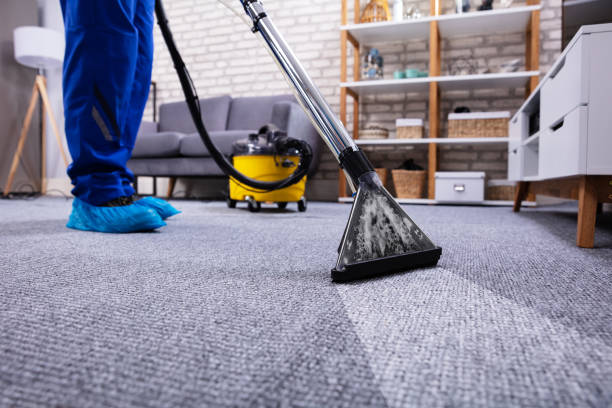
Removing wine stains from carpets can be challenging due to the deep pigments and tannins present in wine that cling stubbornly to carpet fibers. This comprehensive guide covers proven DIY methods to quickly and effectively tackle both red and white wine stains using common household ingredients. Prompt action combined with the right technique can prevent permanent discoloration, preserving your carpet’s appearance and freshness.
1. Wine Stain Removal on Carpets
Wine’s complex chemical composition, especially in red varieties, makes stains challenging to clean from carpets. The deep-set pigments and tannins quickly bond to carpet fibers, creating a challenge for removal. Understanding the stain’s nature and acting promptly with the correct cleaning technique is essential for successful stain treatment why wine stains are difficult to remove.
Essential Preparation Before Removing Wine Stains
Having the necessary supplies ready and responding swiftly are crucial factors for effective stain removal. Keep on hand clean towels, cold water, mild dish soap, white vinegar, baking soda, hydrogen peroxide (3%), and salt. This preparation helps you address spills immediately and reduce carpet damage.
2. First Response: Preventing Wine Stains from Setting in Carpet Fibers
The initial minutes following a wine spill are vital to prevent stains from settling permanently into carpet fibers. Immediate action simplifies the removal process and reduces the risk of lasting damage.
2.1 How to Properly Blot a Fresh Wine Spill
Blotting is key to extracting as much wine as possible before staining sets in. Use a clean cloth or paper towel to gently press on the stained area, working from the edges toward the center. Avoid rubbing or scrubbing, which can further embed the stain into carpet fibers.
2.2 Rinsing with Cold Water to Dilute Wine Stains
Gently pouring a small amount of cold water over the spill dilutes the wine, preventing pigments from setting. After dilution, blot the carpet again to absorb the liquid. Repeat this process until the stain visibly lightens.
3. Effective DIY Cleaning Solutions for Fresh Wine Stains
Simple DIY wine cleaning solutions offer reliable stain removal without resorting to commercial chemicals. Below are two proven home remedies for treating fresh wine spills efficiently.
3.1 Using Vinegar and Dish Soap Solution to Lift Stains
Create a cleaning solution by combining one tablespoon of white vinegar and one tablespoon of mild dish soap with two cups of warm water. Lightly dab this mixture onto the wine stain, allowing the vinegar to neutralize pigments and the soap to lift residues. Follow by blotting with a damp cloth to remove the solution.
3.2 Removing Wine Stains with a Baking Soda Paste
For stubborn stains, make a paste using baking soda and water. Apply the paste to the stained carpet area and leave it for 20-30 minutes. Baking soda works to absorb the wine pigments and neutralize odors. Afterward, rinse with cold water and blot dry to complete the treatment.
4. Absorbing Fresh Wine Stains with Salt: An Easy, Effective Method
Salt’s absorbent nature makes it highly effective for soaking up wine stains quickly, especially with red wine stains. Follow these steps to utilize salt for fast stain absorption.
4.1 Applying Salt Immediately to Absorb Red Wine Stains
Once you have blotted up the excess wine, generously sprinkle salt over the affected area. The salt crystals absorb the remaining wine, lifting it from the carpet fibers. Let the salt sit and dry completely, which often takes several hours.
4.2 Vacuuming Salt to Remove Stain Residues
After the salt has dried and absorbed the wine, vacuum it thoroughly to remove residues. This step should lighten the stain significantly. If needed, repeat the process or use a vinegar and dish soap solution to enhance stain removal.
5. Removing Set-In Wine Stains with Hydrogen Peroxide and Other Solutions
Dried or older wine stains often require stronger treatment. The following methods provide effective at-home solutions for set-in stains.
5.1 Using Hydrogen Peroxide and Dish Soap for Tough Stains
Mix equal parts of 3% hydrogen peroxide and mild dish soap. Always perform a patch test on an inconspicuous carpet area first, as hydrogen peroxide can bleach some fabrics. Apply the solution to the stain and let it sit for 10-15 minutes. Blot the area with a clean, damp cloth and repeat if necessary until the stain lightens.
5.2 Neutralizing Red Wine Stains with White Wine
Interestingly, white wine can help neutralize red wine stains. Pour a small amount of white wine onto the stained spot and blot immediately with a clean cloth. This action dilutes red wine pigments, making them easier to lift. Follow up with a vinegar or dish soap solution to thoroughly clean the area.
6. Final Steps: Drying and Deodorizing the Carpet After Wine Stain Removal
Completing the cleaning process by properly drying and deodorizing the carpet prevents mildew development and unwanted odors, keeping your carpet fresh and durable.
6.1 How to Properly Dry the Carpet to Avoid Mildew
Once the stain has been treated, blot the area dry using a clean towel and let it air dry completely. Improve airflow by opening windows or positioning fans near the damp carpet. Refrain from walking on the wet spot to prevent tracking dirt and causing further damage.
6.2 Deodorizing the Area with Baking Soda for Freshness
Sprinkle baking soda liberally over the cleaned area to absorb residual odors. Allow it to sit for 15-20 minutes before vacuuming thoroughly. This step helps eliminate smells and restores a fresh scent to your carpet.
7. Preventing Future Wine Stains and Maintaining a Clean Carpet
Consistent maintenance combined with preventative measures is key to minimizing wine stains and preserving your carpet’s pristine condition.
7.1 Applying Carpet Protectors to Minimize Stain Damage
Carpet protector sprays form a protective barrier that repels spills and makes cleaning easier. Apply these sprays in high-risk areas such as living rooms and dining spaces. Regularly reapply the product according to manufacturer instructions for ongoing protection.
7.2 Regular Vacuuming and Spot Cleaning for Stain Prevention
Vacuum carpets at least once a week to prevent dirt accumulation, which can embed stains more deeply. Keep DIY cleaning supplies handy for quick spot treatments when spills occur. Frequent spot cleaning also extends the life and appearance of your carpet.
8. Conclusion: Keep Your Carpet Fresh with Quick Wine Stain Removal
Wine stains don’t need to become permanent blemishes on your carpet. Acting swiftly and using accessible DIY treatments such as vinegar, baking soda, salt, and hydrogen peroxide can effectively remove both fresh and set-in stains. Applying techniques like blotting, diluting, and carefully treating the spill helps transform an alarming mess into a manageable situation. Implement these strategies to maintain your carpet’s clean, fresh appearance and enjoy peace of mind—even after an accidental spill.
In addition to these practical methods, consider professional carpet cleaning services annually to deeply refresh and protect your carpet. Professional cleaning removes embedded dirt and stains that home methods cannot reach, further extending your carpet’s lifespan and maintaining its vibrant look. Combining regular professional care with prompt DIY stain treatment offers the best defense against wine stains and other common carpet issues, keeping your home looking immaculate year-round.