


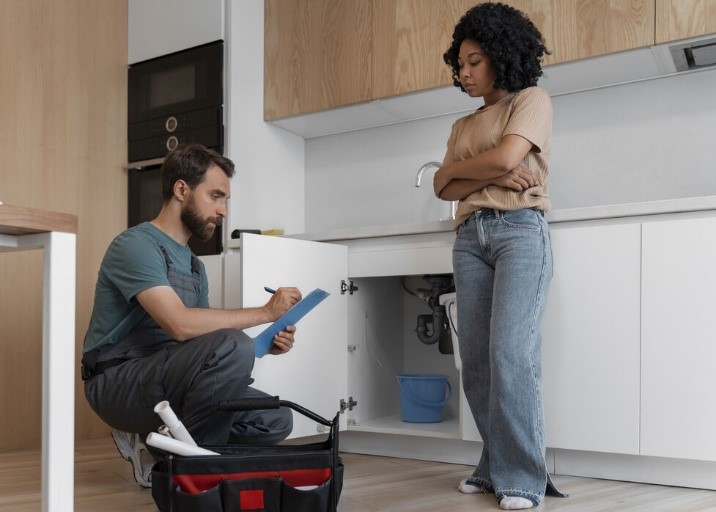
Water damage poses a significant threat to homeowners, property managers, and DIY enthusiasts. Aside from leading to expensive repairs, it can cause lasting structural damage and health risks such as mold and mildew growth if not addressed promptly. To help you safeguard your property, this guide offers practical, effective tips on preventing water damage and maintaining a dry, healthy home environment.
Regularly Inspect Your Roof and Gutters
Your roof and gutters are crucial barriers against water intrusion. Inspect them at least twice a year, ideally in spring and fall, to spot missing or damaged shingles, leaks, and blockages. Promptly repair any roof damage to avoid water seeping into your home’s structure.
Clean gutters regularly to remove leaves, twigs, and debris that can clog water flow. Clogged gutters lead to overflow that damages your foundation and walls. Ensure downspouts direct water at least 5 to 10 feet away from your home to prevent pooling at the base.
Seal Windows and Doors Properly
Windows and doors are common points for water to enter your home during storms. Inspect caulking and weatherstripping annually, replacing cracked or deteriorated seals to block water infiltration. Use high-quality exterior-grade caulk for durability.
For enhanced protection, consider installing storm windows and doors, which act as extra barriers against wind-driven rain. Keeping seals tight also improves your home’s energy efficiency.
Maintain Your Plumbing System
Regular maintenance of your plumbing system helps prevent costly leaks and water damage. Check pipes for rust, corrosion, or leaks, focusing on areas under sinks, behind toilets, and near water-using appliances. Early detection allows for swift repairs.
Install water leak detectors in high-risk areas like basements, laundry rooms, and kitchens to receive alerts if leaks occur. Professional plumbing inspections by licensed services, such asKen Leonard Plumbing Inc, can detect hidden vulnerabilities and ensure your system’s integrity.
Monitor and Maintain Your Water Heater
Water heaters can be a major source of leaks if neglected. Regularly check for signs of rust or leakage around the tank. Test the pressure relief valve yearly and flush the tank annually to eliminate sediment buildup that can cause corrosion.
Set the thermostat between 120°F and 140°F to prevent excessive pressure. For issues, seek prompt assistance from professionals like those at water heater repair to minimize risk and maintain efficiency.
Install a Sump Pump in the Basement
Basements are highly prone to flooding. Installing a sump pump effectively removes accumulated water around your foundation, protecting your basement. Test your pump regularly, especially before storm season, and consider a battery backup to keep it operational during power outages.
Protect Your Foundation
Water pooling against your foundation increases the risk of cracks and structural damage. Ensure the ground slopes away from your home’s foundation with a minimum 6-inch drop over the first 10 feet. Installing a French drain—gravel-filled trenches with perforated pipes—helps redirect water away, preserving your home’s integrity.
Check Your Appliances Regularly
Appliances like washing machines, dishwashers, and refrigerators can leak and cause water damage. Inspect hoses and connections for wear or cracks and replace worn parts immediately. Follow manufacturer guidelines for routine maintenance, including cleaning filters and checking for internal issues.
Use Water-Resistant Materials
When remodeling, choose water-resistant materials, especially in moisture-prone areas like bathrooms and basements. Options such as ceramic tile, vinyl flooring, and water-resistant drywall reduce damage from accidental moisture exposure and simplify cleanup. Waterproof membranes installed behind walls and under flooring offer additional defense against leaks and mold growth.
Install a Water Shutoff Valve
Automatic water shutoff valves detect leaks and immediately stop water flow, preventing extensive damage from unnoticed plumbing failures. They can be installed at the main water line or on specific appliances like water heaters and washing machines. Regularly test these devices to guarantee proper functionality, especially when away from home.
Address Exterior Drainage Issues
Proper exterior drainage directs water away from your home, preventing foundation damage and indoor leaks. Ensure your yard slopes away from the house. Extend downspouts with flexible or rigid extensions to carry water several feet from the foundation. For complex drainage challenges, systems like French drains or catch basins offer efficient water management. Professional assistance from Prime Plumbing & Drains can guarantee effective installation and maintenance. Regular upkeep of these systems, along with sewer line checks and repairs, is vital for long-term protection.
Trust Professional Services
While DIY efforts are valuable, professional inspections and repairs ensure comprehensive protection against water damage. Skilled plumbers and contractors can detect hidden issues and perform precise remedies. Routine professional evaluations help identify early warning signs and prevent expensive repairs. Experts also provide tailored maintenance advice to keep plumbing and drainage in peak condition.
Be Proactive and Stay Informed
Keeping your home safe from water damage requires proactive management and staying updated on best practices and emerging solutions. Maintain a regular inspection and maintenance schedule, and swiftly address any concerns. Following industry advancements and product innovations can help you implement even more effective preventative strategies. A proactive approach protects your home’s value and ensures a healthy living environment for your family.
Additional Insight: Enhancing your home with smart home technology can provide real-time water monitoring and leak detection, enabling immediate responses to potential water damage. Integrating smart sensors that connect with your mobile devices alerts you to plumbing issues before they escalate, minimizing repair costs. Investing in such technology is increasingly popular as it blends convenience with advanced protection, reinforcing your home’s defenses against water intrusion and safeguarding your investment effectively.
Don’t Let Water Damage Ruin Your Home Anymore
Water damage can cause devastating effects on your property if left unchecked. By adhering to a routine of regular inspections, maintaining your plumbing and drainage systems, and using water-resistant building materials, you greatly minimize the risk of costly damage. Don’t hesitate to rely on professional experts and smart technology solutions when necessary. Taking these comprehensive steps will keep your home protected, dry, and comfortable for the long haul.
Want to know about’Protect Your Home from Water Damage During‘? Check out our’Exterior‘ category