


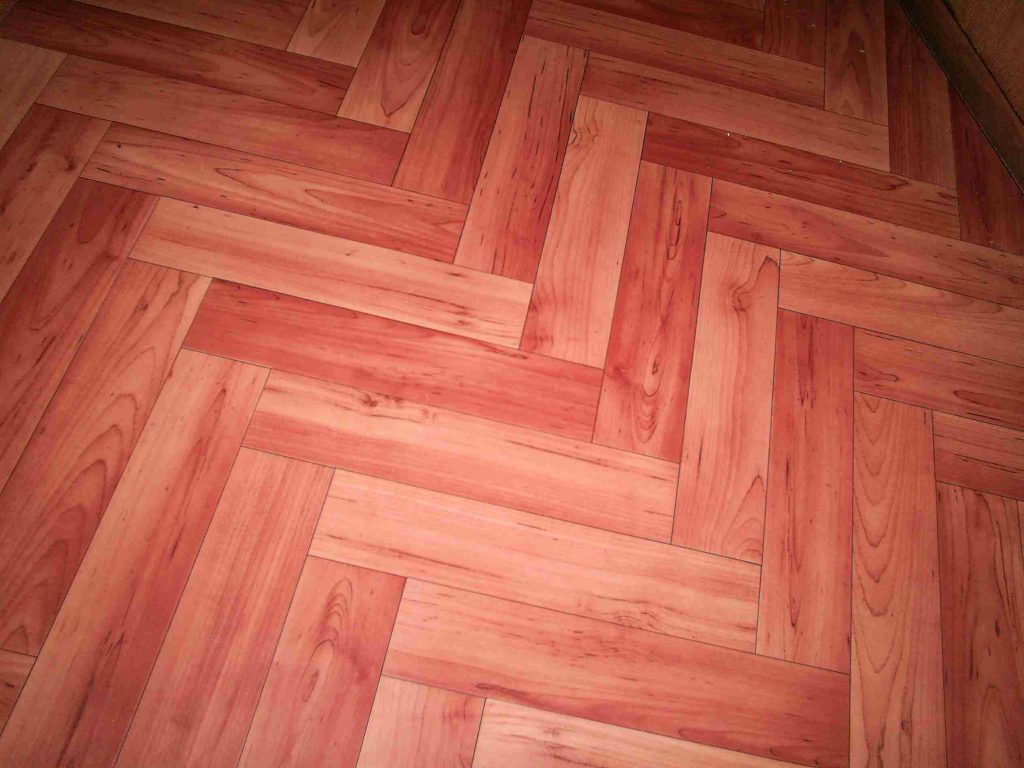
Linoleum flooring is a popular type of resilient flooring made from natural, renewable materials such as linseed oil, cork dust, wood flour, and limestone. Renowned for its eco-friendly qualities and exceptional durability, linoleum flooring is an ideal choice for high-traffic areas in residential settings. Available in an extensive range of colors and patterns, linoleum offers versatile design options to enhance the style of any room while providing a sustainable flooring solution.
Benefits of Linoleum Floors
Linoleum floors provide numerous benefits that make them an excellent choice for homes. Composed of natural materials, linoleum is both eco-friendly and highly durable, offering long-lasting performance. Linoleum flooring is available in an extensive variety of colors, patterns, and textures, allowing homeowners to customize their space to match any interior style. Additionally, linoleum is low-maintenance – requiring only regular sweeping or vacuuming with a soft-bristle attachment and periodic waxing to preserve its finish. Its inherent resistance to moisture makes it especially suitable for kitchens, bathrooms, and other damp areas. Moreover, linoleum is generally more affordable than many other flooring options, delivering quality and style within a budget.
Basic Maintenance
Maintaining linoleum floors is straightforward, involving routine cleaning and care. Regular sweeping or vacuuming with a soft-bristled attachment removes dirt and debris that could scratch the surface. For deeper cleaning, use a damp mop with a mild cleaning solution but avoid excess water and harsh chemicals that might damage the floor’s finish. Applying a quality wax every three months helps maintain the floor’s color, shine, and protection. When waxing, spread evenly and buff thoroughly once dry to achieve the best results and prolong the floor’s lifespan.
Cleaning Solutions
A natural cleaning solution of water, vinegar, and baking soda effectively keeps linoleum floors spotless. Mix equal parts of water and white vinegar in a bucket, dampen a mop in the solution and wring out excess moisture before mopping the floor to avoid damaging it. Allow the floor to dry for 30 minutes before wiping it with a dry cloth. For stubborn stains, use a paste of baking soda and water applied directly to the affected area. Let it sit for 10-15 minutes, then rinse with warm water and dry thoroughly. This gentle and eco-friendly method preserves the floor’s finish while effectively removing dirt.
Dust Mopping Regularly
Regular dust mopping is essential to protect linoleum floors from abrasive particles that can cause surface damage. Begin by sweeping or vacuuming to remove large debris, then use a microfiber dust mop or damp mop attachment to pick up fine dust. Use overlapping strokes and avoid applying excessive pressure to prevent scratches or dents. Keeping linoleum floors free from dust and dirt not only extends their longevity but also maintains their smooth texture and polished appearance.
Removing Stains with Special Care
Effective stain removal on linoleum floors requires identifying the stain type to select the safest cleaning method. Water-based stains, like coffee or juice, can be treated with a mild detergent solution. For grease or oil stains, mineral spirits or a specialized commercial degreaser are effective. Tough stains may benefit from an enzymatic cleaner formulated specifically for linoleum. Always perform a spot test in an inconspicuous area to prevent surface damage. Gently scrub stains with a soft cloth or brush, rinse with clean water, and let the area dry completely before use.
Vacuuming and/or Steam Mopping
Both vacuuming and steam mopping are excellent methods to maintain the cleanliness and aesthetics of linoleum floors. Use a vacuum cleaner with a brush attachment on the lowest setting to safely eliminate dust, dirt, and pet hair without scratching. For deeper cleaning, steam mopping uses hot steam to dissolve dirt and grime gently without chemicals. Ensure the mop head is clean before use to avoid scratching. After steam mopping, allow the floor to dry completely to prevent moisture damage.
Protecting Linoleum Floors
Protecting linoleum floors from moisture and heavy foot traffic is crucial to maximizing their durability. Promptly clean spills and avoid letting water pool to prevent warping or staining. Keep plants and water containers away from the floor to minimize moisture exposure. For high-traffic areas like hallways and entryways, use quality doormats to trap dirt and debris. Furniture pads under heavy pieces minimize scratches, and regularly buffing the floor with a damp cloth helps restore shine and reduce scuffs. These practices ensure your linoleum floors remain attractive and functional over time.
Extra Protection for Linoleum Floors
Applying an additional layer of protection using wood flour can help shield linoleum floors in high-traffic or moisture-prone areas. Wood flour, a finely ground wood powder, acts as an absorbent barrier that protects against dirt, spills, and potential damage. Sprinkle wood flour lightly over your linoleum surface in vulnerable zones and gently work it in. This natural method enhances the floor’s resilience while maintaining the original appearance and environmental benefits of linoleum.
Conclusion
In summary, linoleum flooring is a durable, eco-friendly, and stylish option that can enhance any home interior. Its ease of maintenance, combined with natural resistance to moisture and wear, makes it ideal for various living spaces. By following simple cleaning routines using mild solutions and regular dusting, along with applying protective measures like waxing and wood flour, homeowners can extend the life and beauty of their linoleum floors. Investing in proper care ensures that linoleum flooring remains vibrant and functional for many years.
One growing trend in linoleum care is embracing sustainable cleaning methods that align with the flooring’s eco-friendly nature. Using natural, biodegradable products and minimizing harsh chemicals not only preserves the linoleum’s finish but also contributes to a healthier living environment. Additionally, innovations in linoleum manufacturing have led to improved durability and stain resistance, reducing the need for frequent maintenance. Homeowners who prioritize sustainability and longevity find that linoleum is a superior choice that balances aesthetic appeal with environmental responsibility, making it a smart and modern flooring solution for today’s homes.
Want to know about’Hardwood Floors After Refinishing‘? Check out our’Interior Design‘category