


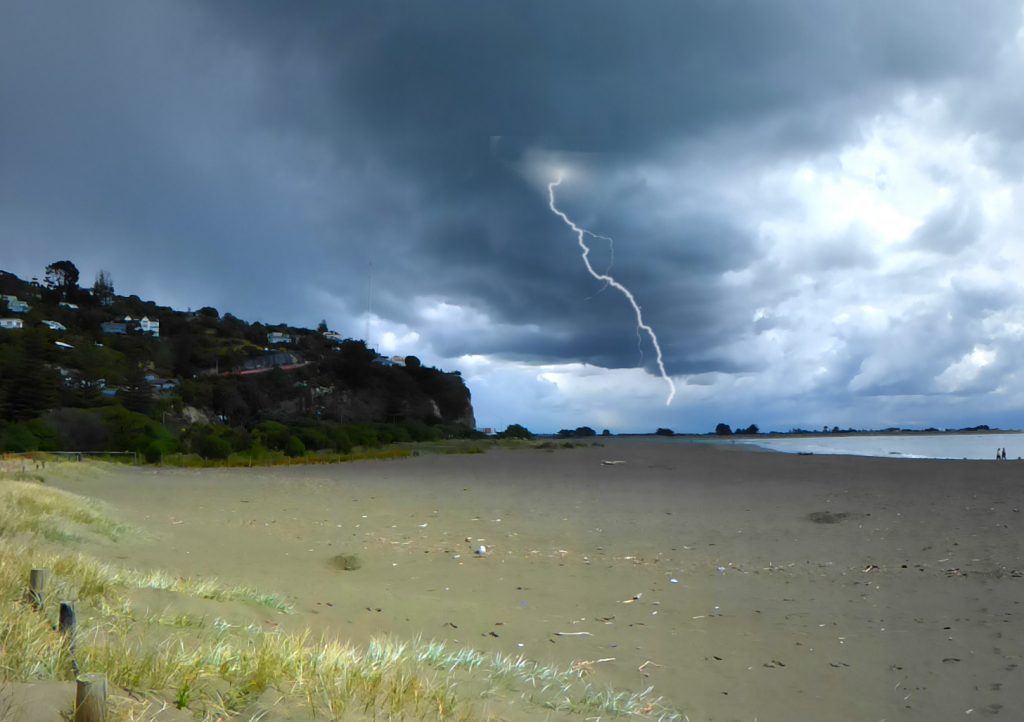

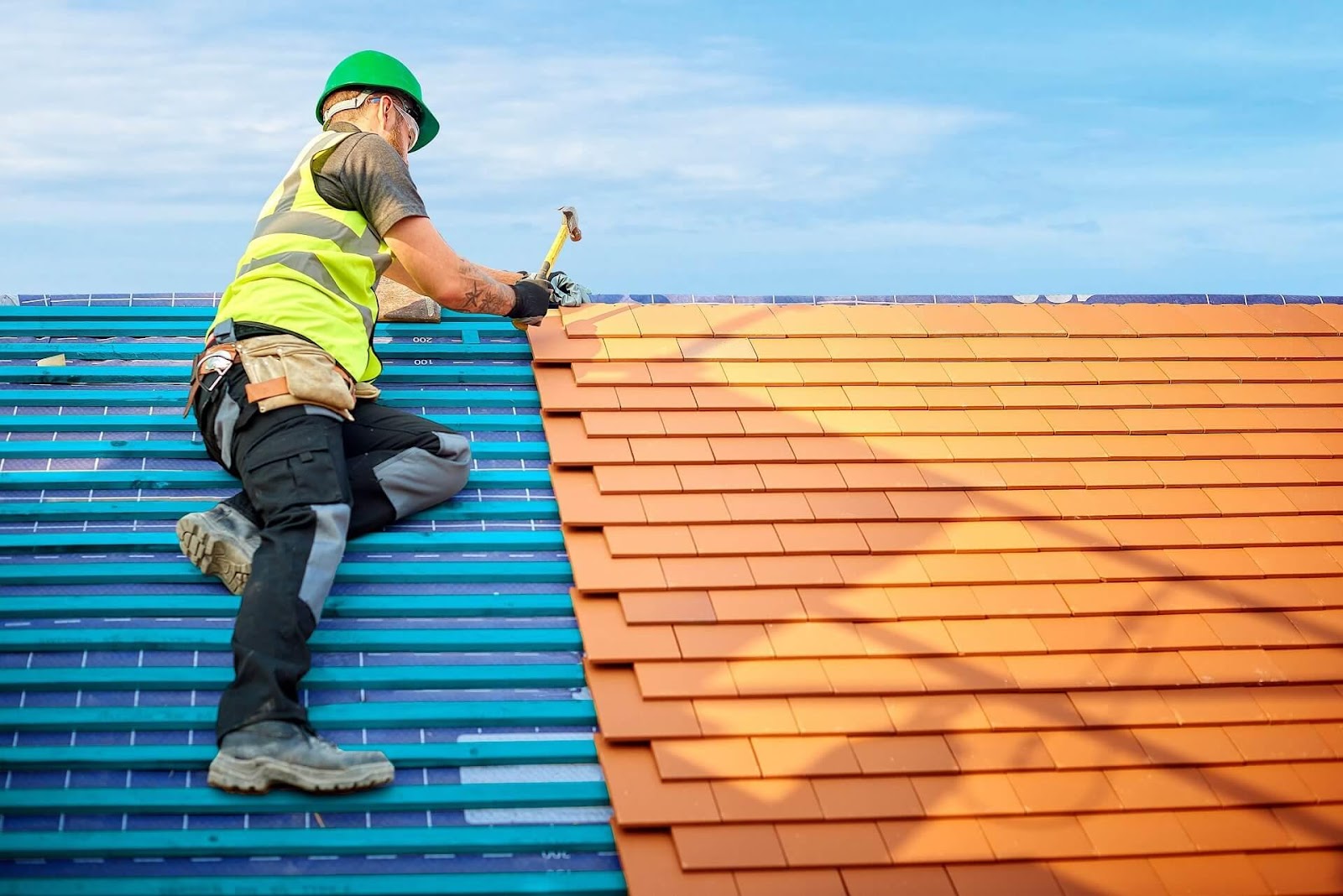
Inspecting your roof after a storm is essential to maintain the safety and integrity of your property. If you’re unsure how to approach this, the process might seem overwhelming. However, by following some straightforward tips, you can confidently assess your roof’s condition and identify any damage that needs attention. Here are practical steps to help you conduct a thorough roof inspection after severe weather.
1. Seek Out Loose Tiles and Shingles
Carefully examine your roof for any loose or missing tiles and shingles. These elements can easily detach during strong winds and may pose further risk if left unattended. Document all damaged or missing pieces on your inspection checklist. Promptly addressing these issues helps prevent water penetration and interior damage.
2. Remove Debris
Clear away any tree branches, leaves, or other debris accumulated on your roof. Debris can trap moisture and promote damage or mold growth. Depending on the severity, you might need to hire a professional or use safe equipment to remove the debris yourself. Always ensure this step is completed before undertaking any roof repairs.
3. Check for Holes
Inspect your roof for holes or punctures, which can occur due to wind storms, hail, or animal activity. While minor issues may be visible from the ground, it’s safer to engage a qualified roofing professional for a detailed inspection to avoid injury and ensure no damage is missed.
4. Look for Sagging Areas
Sagging sections in your roof can signal serious structural damage and could compromise your home’s safety. Examine all parts of your roof visually and from underneath (e.g., attic) for any sagging or unevenness. If you notice this, immediate professional evaluation is vital.
5. Look Out for Water Damage
Check the underside of your roof, including the attic space, for signs of water leaks or moisture buildup. Water stains, mold, and damp insulation indicate damage that requires prompt repair to prevent costly structural deterioration and health risks.
6. Watch for Standing Water
Standing water on a flat or low-slope roof is a serious concern. It can accelerate wear and cause leaks or structural issues. Always address drainage problems promptly to extend the life of your roof.
Normally, roofs should be professionally inspected at least once a year. However, after significant weather events such as storms or hurricanes, an immediate inspection is recommended to identify and repair any damage quickly. Early detection and maintenance will help protect your home from further problems and expensive repairs.
This post was written by Ted Williams, owner of Old Time Roofing, the premier Clearwater Roofing Contractor in Pinellas County. Ted is a Master Elite Weather Stopper GAF Roofing Contractor, acclaimed twice as Best Steep-Slope Contractor by GAF, and recipient of the Master Elite Consumer Protection Excellence award from GAF. Serving the area since 1978, Old Time Roofing is renowned for quality workmanship in residential and commercial roofing services.
If you want to learn more about Leaks Ruin Your RV Adventures, explore our EXTERIOR category for comprehensive insights and expert advice.
Regular roof maintenance is key to prolonging the lifespan of your roofing system. Beyond post-storm inspections, homeowners should also monitor roof condition throughout the year to address minor issues before they become costly repairs. Seasonal checks, especially after winter or heavy rainfall, help identify early signs of wear, such as cracked shingles, damaged flashing, or clogged gutters. Additionally, ensuring proper attic ventilation and insulation can prevent moisture buildup, reducing risks of mold and structural damage. Investing in professional roof inspections and maintenance services protects your home investment and enhances energy efficiency.