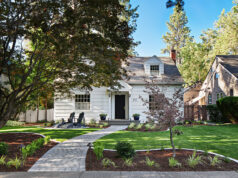


A beautifully landscaped yard can dramatically transform your home, enhancing both the aesthetic appeal and usability of your outdoor space. One of the most effective ways to elevate your landscaping design is by incorporating custom rock retaining walls. These structures serve not only as practical solutions for soil retention but also as stunning natural features that add character, elegance, and texture to your property. If you’re considering installing custom rock retaining walls, this comprehensive guide covers everything you need to know—from design options and material choices to installation tips—ensuring your landscape is as functional as it is visually appealing.
1. What Are Rock Retaining Walls?
Retaining walls are engineered structures designed to hold back soil and manage elevation changes on your property. Essential for preventing soil erosion on sloped landscapes, these walls also enable creative design elements such as terraces, garden beds, and walkways. Rock retaining walls, specifically, utilize natural or manufactured stone to create resilient, visually appealing barriers that integrate naturally with your outdoor environment. Custom rock retaining walls can be tailored in style, size, and configuration to meet the functional requirements and aesthetic preferences unique to your landscape.
2. Benefits of Adding Custom Rock Retaining Walls
Installing custom rock retaining walls comes with a variety of advantages that extend well beyond soil retention. Here’s why homeowners consistently choose them:
- Erosion Control: On sloped properties, rock retaining walls stabilize soil and significantly reduce erosion caused by rainwater runoff or irrigation.
- Expanded Usable Space: By leveling uneven terrain, retaining walls create flat, practical areas for patios, garden beds, walkways, and seating spots, increasing your outdoor living potential.
- Enhanced Aesthetic Appeal: The natural texture and color variations in rock stone add timeless beauty and rustic charm to any landscape, serving as eye-catching focal points.
- Increased Property Value: Professionally installed rock retaining walls enhance curb appeal and can boost your home’s market value by improving overall landscape quality.
- Low Maintenance and Durability: Natural stone is exceptionally durable, weather-resistant, and requires minimal upkeep, ensuring your investment lasts for decades.
3. Choosing the Right Type of Rock for Your Retaining Wall
The type of rock you select influences both the structural integrity and the aesthetic of your retaining wall. Consider these common options:
- Natural Stone: Includes granite, limestone, sandstone, and fieldstone. Each offers unique colors and textures with excellent durability, though typically at a higher price point.
- Boulders: Ideal for creating dramatic, rugged walls. Their large size and natural appearance provide strong structural support and a rustic look but require expert placement.
- River Rock: These smooth, rounded stones are perfect for accent or low walls, lending a soft and inviting feel to your landscape design.
- Manufactured Stone: Often designed to mimic natural stone aesthetics, manufactured stone is budget-friendly, lightweight, and easy to install, making it a popular choice for DIY projects.
4. Customizing the Design of Your Rock Retaining Wall
Custom rock retaining walls offer versatile design possibilities that allow you to tailor your outdoor space to your personal style and landscape needs. Key factors to consider include:
- Height and Length: Determine the purpose of the wall—whether for garden borders or slope stabilization—and measure carefully for balanced proportions.
- Wall Shape: Curved walls soften landscape edges and create natural flow, whereas straight walls provide a contemporary, clean look.
- Layering and Terracing: Multiple tiered retaining walls add dimension and functionality on steep slopes, creating separated zones for planting or pathways.
- Integrated Features: Enhance your wall with built-in seating, ambient lighting, or planters to increase usability and elevate the outdoor experience.
5. Building a Strong Foundation: The Key to Durable Retaining Walls
The longevity and stability of your custom rock retaining wall depend on a solid foundation and professional installation standards. To prevent common issues like leaning or collapse, consider the following critical steps:
- Excavation and Leveling: Dig a trench and create a level, compacted base to support the entire wall structure.
- Drainage Systems: Incorporate gravel drains or perforated pipes to prevent water buildup behind the wall, reducing pressure and soil erosion.
- Backfilling and Compacting: Use layers of compacted gravel or crushed stone behind the wall to enhance stability and support proper drainage.
Learn more about foundational techniques: The Importance of Professional Irrigation Services for Healthy Landscapes
6. Considering Professional Installation vs. DIY
While smaller retaining walls (under three feet) may be suitable as DIY projects for experienced landscapers, professional installation is advisable for larger or more complex walls. Professionals offer vital benefits such as:
- Technical Expertise: Skilled installers ensure your wall is structurally sound and meets safety standards.
- Access to Heavy Equipment: Professionals have the necessary machinery for excavation, compaction, and stone placement.
- Regulatory Compliance: Experts manage permits and adhere to local building codes, preventing future legal or safety issues.
7. Maintaining Your Rock Retaining Wall for Longevity
Rock retaining walls are remarkably durable, but routine maintenance helps preserve their structural integrity and appearance:
- Regular Inspections: Look for signs of shifting, cracks, or damage after storms or freezing conditions to address issues early.
- Weed Management: Remove weeds growing between stones to maintain a clean, polished look and prevent damage to the wall.
- Drainage Checks: Ensure drainage systems are clear and functioning to avoid water accumulation and pressure build-up behind the wall.
8. Finding Inspiration: Rock Retaining Wall Ideas
Need ideas for your rock retaining wall? Consider these popular design inspirations that enhance both function and beauty:
- Garden Bed Walls: Create multi-level garden beds using low retaining walls for visual interest and easier gardening.
- Pathway Borders: Frame walkways with low rock walls to clearly define paths and prevent soil erosion.
- Water Feature Integration: Incorporate retaining walls into water features such as waterfalls or ponds to add tranquility and natural charm.
- Mixed Stone Designs: Use a variety of rock types and sizes for a textured, personalized look that adds dimension to your landscape.
9. Elevate Your Landscape with Custom Rock Retaining Walls
Custom rock retaining walls represent a valuable investment in your property’s beauty, function, and market value. Whether you’re managing a steep slope, designing garden terraces, or adding architectural interest to your yard, these walls provide a durable and attractive solution. Rainier Rockeries is a trusted name known for superior craftsmanship and excellent customer service in delivering custom rock retaining walls tailored to your unique outdoor vision. Take the time to plan thoughtfully, select the ideal materials, and explore creative design possibilities that best fit your home’s character and landscape needs.
For tailored advice and to ensure your project’s success, consulting with a landscaping professional can help bring your ideas to life efficiently and beautifully. Upgrade your outdoor space today with a custom rock retaining wall that enhances your landscape while withstanding the elements for years to come.
Additionally, if you’re interested in learning more about The Importance of Professional Irrigation Services for Healthy Landscapes please visit our “Landscaping” category for further resources and inspiration.
In recent years, advances in sustainable landscaping practices have made custom rock retaining walls an even more attractive choice. Incorporating recycled materials and integrating native plants around your rock structure not only boosts ecological value but also minimizes environmental impact. Moreover, modern design trends emphasize blending retaining walls with permeable surfaces and green features to manage stormwater effectively, further preventing erosion and promoting healthier soil balance. When planned thoughtfully, rock retaining walls contribute significantly to creating resilient, eco-friendly landscapes that enhance both beauty and biodiversity.