
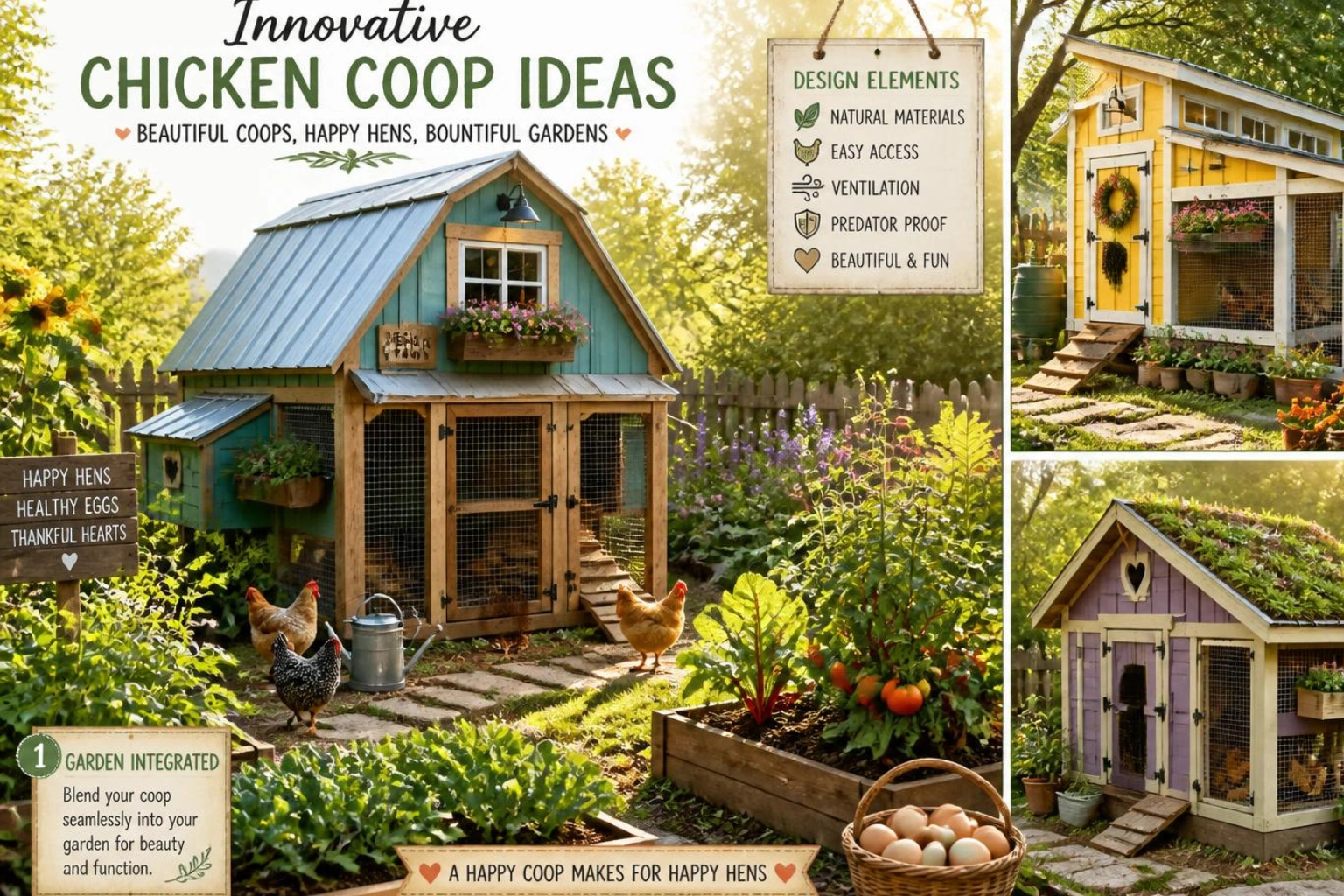
A good backyard coop should be safe, dry, airy, and easy to clean. The best chicken coop ideas start with flock size and climate, then add predator-resistant construction and practical access. Once those basics are covered, you can choose a compact, rustic, modern, mobile, or garden-friendly design.
Before you buy lumber or order a kit, check your local rules. U.S. cities, counties, and homeowners associations may regulate flock size, setbacks, permits, and roosters. Penn State Extension recommends checking ordinances, zoning rules, and property association requirements before keeping poultry.
Quick Chicken Coop Planning Guide
| Planning factor | Practical starting point |
| Indoor space | Oregon State University Extension recommends at least 3 square feet per bird when outdoor access is available. Allow 8 to 10 square feet if birds have no outdoor access. |
| Nest boxes | About one 12-by-12-by-12-inch nest box for every four hens is a useful starting point. |
| Roost space | Plan roughly 5 to 10 inches of roost length per bird. |
| Ventilation | Provide steady fresh-air exchange without directing drafts onto roosting birds. |
| Site | Choose high, well-drained ground to reduce damp floors and muddy runs. |
| Predator protection | Secure openings, cover vulnerable run areas, and protect the perimeter against digging animals. |
Key Takeaways
- Size the shelter for your flock before choosing a decorative style.
- Make daily egg collection and cleaning easy from the start.
- Give rainwater a clear route away from doors, walls, and the run.
- Treat predator protection as part of the structure, not an optional upgrade.
- Match shade, airflow, drainage, and wind protection to your local climate.
15 Chicken Coop Ideas for U.S. Backyards
1. Raised Coop With a Sheltered Area Underneath
Raise the main sleeping area above the ground and incorporate the covered space underneath into your chicken coop ideas as part of the run. This raised chicken coop design works especially well in compact backyards because one footprint can provide both sheltered sleeping space and additional outdoor room.
An elevated floor can also help keep the coop drier during wet weather and improve airflow underneath. Leave enough clearance below the structure for easy inspections, cleaning, and routine maintenance. Make sure the elevated structure remains stable and that the lower run is securely enclosed against predators.
2. Walk-In Shed-Style Coop
A walk-in layout makes sense when you want comfortable access for cleaning, feeding, and maintenance. Full-height doors let you carry bedding, tools, and containers without crawling through a small opening.
This style also gives you wall space for shelves or sealed feed storage. Keep the bird area separate from anything chickens could peck or damage.
3. Narrow Side-Yard Lean-To
A lean-to design can fit beside a garage, fence line, or detached building where a wide structure would feel crowded. Slope the roof so rain drains away from nearby walls and walking areas. Leave service access around the structure instead of squeezing it tightly against another building.
When planning the surrounding yard, Home Votel’s guide to home landscaping and patios can help you think through drainage, paths, and nearby features.
4. Coop and Covered Run Under One Roof
Extending one roof across both the sleeping area and part of the run can make wet-weather care easier. A covered zone gives birds a dry place to scratch, feed, and dust-bathe when the rest of the yard is soaked. Roof overhangs also help keep runoff away from doors.
5. Mobile Chicken Tractor
A mobile enclosure lets you move birds onto fresh ground rather than keeping them in one permanent run. Keep weight in mind before building. A movable structure still needs secure doors, reliable mesh, shade, and protection from local predators. Wheels or skids should be sturdy enough for repeated use.
6. Converted Garden Shed
An unused shed can become a roomy shelter with fewer framing steps than a new build. Add secure ventilation, roosts, nest boxes, and bird-sized access. Inspect the floor and lower walls for gaps first. Storage buildings were designed for tools, so predator protection usually needs extra attention.
7. Cottage-Style Coop With Exterior Nest Boxes
A small gabled shelter can complement a traditional or farmhouse-style yard without giving up practical features. Exterior nest boxes make egg collection easier because you don’t need to enter the enclosure. Use sloped, weather-resistant lids so water does not collect along seams.
8. Simple Modern Coop With a Single-Slope Roof
Clean lines and a shed-style roof work well with modern homes. They can also reduce framing complexity. Use a wide access door, simple wall surfaces, and a restrained color scheme. Dark trim with wood siding can look polished while keeping the structure visually quiet.
9. Reclaimed-Wood Exterior on a New Structural Frame
Salvaged boards can add character and reduce the amount of new finish material you need. Use reclaimed material as siding or trim rather than relying on questionable boards for critical structural parts. Inspect old wood for rot, exposed nails, chemical treatments, and sharp edges.
If this project is part of a wider yard upgrade, Home Votel’s guide to estimating outdoor project costs offers useful budgeting context.
10. Rain-Ready Coop With a Gravel Approach
Wet climates need more than a waterproof roof. Think about what happens to every gallon of water after it leaves the roof. A gravel approach, raised threshold, generous overhang, and properly graded site can keep high-traffic areas firmer. Penn State Extension specifically recommends locating poultry housing on well-drained ground.
11. Hot-Climate Coop With Deep Shade
In hot parts of the South and Southwest, shade and airflow deserve early attention. Use roof overhangs or another shade source to reduce direct afternoon sun. Keep openings protected with secure mesh so you can maintain airflow without creating easy entry points for wildlife.
Penn State Extension notes that ventilation is especially important during warm weather.
12. Cold-Climate Coop With Protected Roosts
For northern states, focus on dry bedding, ventilation, and freedom from direct drafts rather than sealing every opening. The University of Minnesota Extension notes that moisture buildup can contribute to winter problems. It recommends continued ventilation while avoiding drafts around the birds. Homeowners preparing the rest of the property for snow and freezing weather can also use Home Votel’s winter outdoor-additions guide.
13. Garden-Edge Coop With a Clear Inspection Strip
A coop beside raised beds can create an attractive backyard farm area. Keep a clear strip immediately around the enclosure, though. That open edge makes it easier to inspect the foundation, fencing, and possible digging points. Oregon State advises avoiding large vegetation directly around poultry housing because dense cover can shelter unwanted animals.
For a more cohesive yard, Home Votel also has ideas for improving a home’s visual appeal.
14. Easy-Clean Coop With a Service Door and Droppings Board
Designing around chores can save more time than adding decorative details. Put a large clean-out door near the area where bedding collects. A removable board or tray beneath roosts can catch much of the nightly manure. Smooth, accessible surfaces are easier to scrape and inspect.
15. Modular Coop and Run Panels
If your flock may grow, build the run from repeatable framed panels that can be unbolted and rearranged. This approach lets you extend one side instead of tearing down the whole enclosure. Keep every new joint as secure as the original walls and inspect connections after storms or ground movement.
Features That Matter More Than Looks
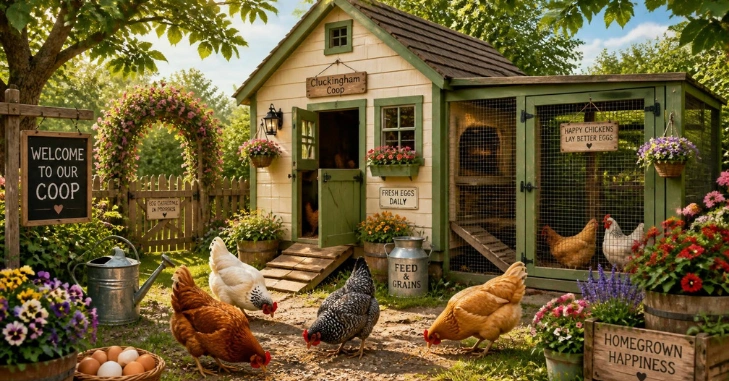
Whatever style you choose, several design details deserve priority.
Ventilation comes first. Fresh-air exchange removes moisture and stale air. Openings should not send cold drafts directly across sleeping birds. Penn State describes ample air movement without drafts as essential in poultry housing.
Make predators work against solid materials. Chicken wire is useful for containing birds, but it is a weak choice for vulnerable exterior openings. HGTV recommends 1/2-inch hardware cloth where stronger predator protection is needed.
Protect the ground edge. Digging animals often begin at the perimeter. Extension guidance recommends buried fencing or an outward-protected edge where local predator pressure warrants it.
Design for your own reach. You should be able to reach nest boxes, latches, feeders, corners, and bedding without awkward crawling. An attractive structure becomes frustrating if basic chores take longer than necessary.
Where Should You Put a Backyard Coop?
Start with drainage. A dry, slightly elevated part of the yard is usually easier to manage than a low spot that collects rainwater. Next, watch the sun and shade across the day. Hot regions benefit from afternoon shade, while colder locations may benefit from protected winter exposure. Your final orientation should reflect local wind, rainfall, summer heat, and surrounding structures.
Keep the enclosure close enough that daily care is convenient. You are more likely to notice damaged mesh, spilled water, loose latches, or unusual bird behavior when the structure is easy to visit.
Finally, confirm required setbacks before choosing a permanent location. Municipal rules can address distance from property lines or homes, permitted flock sizes, and other conditions.
Choose the Design You’ll Be Happy to Maintain
The right backyard setup is not necessarily the fanciest one. It is the design you can inspect, clean, secure, and use comfortably in every season. Sketch the flock area, run, and access doors, drainage, and roof before choosing paint or trim. Then compare the 15 layouts above against your available space and local weather. A little planning now can make daily chicken keeping much easier later.
Conclusion
The best chicken coop ideas combine practical construction with the needs of your flock, backyard, and local climate. Whether you choose a raised coop, walk-in shed, mobile chicken tractor, converted garden shed, modern lean-to, garden-edge enclosure, or modular design, the structure should provide adequate space, reliable ventilation, dry conditions, secure doors, comfortable roosting areas, and appropriate nest boxes. Predator protection should also be built into the design from the beginning rather than added as an afterthought. For U.S. homeowners, local zoning rules, permits, setback requirements
Frequently Asked Questions
Raised designs, narrow lean-tos, and compact layouts with sheltered space underneath make good use of limited ground area. Choose based on flock size first. Avoid shrinking the sleeping area simply to fit a tight corner.
Oregon State University Extension recommends at least 3 square feet of indoor space per bird when chickens have outdoor access. It recommends 8 to 10 square feet when no outdoor area is available.
Provide secure roosting space, nest boxes for laying hens, dry bedding, ventilation, and convenient access for routine care. Oregon State recommends roughly one nest box for every four birds. Its guidance also calls for about 5 to 10 inches of roost space per bird.
It is better suited to keeping chickens contained than stopping determined predators. Vulnerable windows, vents, and run sections need stronger protection.
It can be a useful design choice, especially where drainage or small-yard space matters. Oregon State Extension recommends raising poultry housing at least one foot in some predator-control situations.