


Black mold in shower areas usually appears because moisture remains on grout, caulk, tile, or nearby surfaces. Dark growth does not automatically mean the mold is Stachybotrys chartarum, often called “toxic black mold.” The CDC advises removing visible mold rather than trying to identify its species first.
Small surface patches can often be handled at home with proper protection and careful cleaning. Larger growth, recurring moisture, or mold behind walls may require professional help. The most important long-term fix is stopping the moisture that allows mold to return.
Direct answer: To remove shower mold, protect yourself, ventilate the bathroom, clean hard surfaces, rinse them, and dry everything completely. Replace badly contaminated caulk instead of repeatedly scrubbing it. Fix leaks and improve ventilation afterward, because cleaning alone will not stop mold if the shower stays damp.
| Question | Practical answer |
|---|---|
| Can you clean it yourself? | Usually, when the affected area is small and surface-level |
| When should you call a professional? | Consider help when growth exceeds about 10 square feet or involves hidden water damage |
| Do you need mold testing first? | Usually no; the CDC does not recommend routine home mold testing. |
| Where does shower mold commonly grow? | Grout, caulk, corners, ceilings, drains, and damp tile joints |
| What matters most after cleaning? | Correcting leaks, humidity, poor airflow, and slow drying |
| Key safety rule | Never mix bleach with ammonia or other cleaners. |
Why Dark Mold Grows in Showers
A shower provides moisture, warmth, and surfaces that may stay damp between uses. Soap residue and grime can also collect along grout lines and corners. Those conditions make bathrooms especially favorable places for fungal growth.
Poor airflow can make the problem worse because humid air remains trapped after bathing. HomeVotel’s guide to bathroom ventilation and moisture control explains why exhaust systems matter. A working fan helps surfaces dry faster and reduces lingering humidity.
Leaks deserve attention because they create moisture beyond normal shower use. Failed caulk, cracked grout, or plumbing leaks can keep concealed materials wet. HomeVotel also explains common moisture risks in its home water-damage prevention guide.
Black Mold in Shower Areas Is Not Always “Toxic Black Mold”
Color alone cannot reliably identify a mold species. Indoor molds may appear black, green, brown, white, or other colors. CDC guidance says removal and moisture control matter more than identifying the specific mold.
That distinction can save homeowners from unnecessary testing or panic. Routine home sampling may be expensive and lacks universally accepted indoor mold concentration standards. The CDC therefore does not recommend routine testing when visible growth is already present.
The condition of the surface often provides more useful information. Spots sitting on intact tile differ from discoloration buried inside damaged caulk. Repeated growth in one location can also point toward hidden moisture.
What You Need Before Cleaning
Gather your supplies before disturbing visible growth. The exact cleaner should match the surface and its manufacturer’s directions. Protective equipment helps reduce contact with spores and cleaning chemicals.
Useful supplies include:
- Protective gloves
- Eye protection
- A NIOSH-approved N95 respirator
- A stiff cleaning brush
- Disposable cloths or paper towels
- Detergent or an appropriate bathroom mold cleaner
- Clean water for rinsing
- Dry towels or a squeegee
- Replacement bathroom caulk when the existing bead has failed
People with asthma, chronic lung conditions, mold allergies, or immune suppression should avoid mold cleanup. CDC guidance identifies these groups as having greater risks from exposure. Another household member or a professional may be a safer choice.
How to Remove Black Mold in Shower Surfaces in 7 Steps
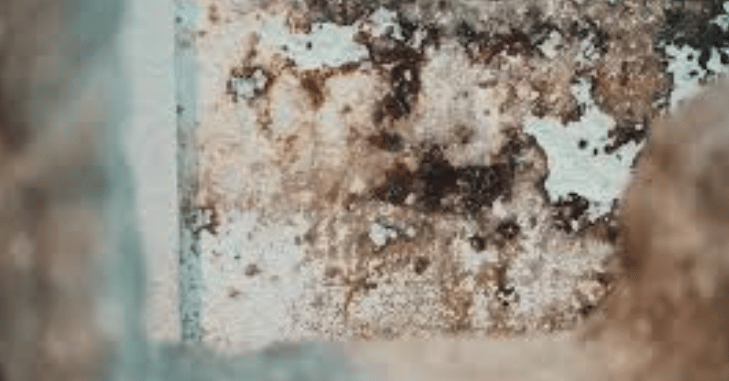
These steps suit small, accessible patches on ordinary shower surfaces. EPA guidance says homeowners can usually handle areas smaller than about 10 square feet. Larger contamination, sewage exposure, or extensive water damage warrants professional assessment.
- Protect yourself before cleaning. Put on gloves, eye protection, and an N95 respirator. Keep children and pets away from the work area.
- Ventilate the bathroom. Run an exhaust fan that vents outdoors and open a window when practical. Fresh airflow also matters when chemical cleaners are used.
- Remove surface residue first. Clean soap film and loose debris so the chosen cleaner reaches the affected surface. Avoid aggressively dry-brushing visible growth into the air.
- Clean hard surfaces thoroughly. EPA guidance recommends detergent and water for scrubbing mold from hard surfaces. Follow product instructions when using a commercial mold cleaner.
- Treat stubborn staining carefully. CDC says diluted household bleach may be used when appropriate. Never exceed one cup of household bleach per gallon of water.
- Rinse and dry the area. Remove cleaner residue when the product instructions require rinsing. Dry grout, tile, corners, and fixtures instead of leaving them wet.
- Correct the moisture source. Repair leaks, improve airflow, and replace failed sealant. Otherwise, visible growth may return after the surface treatment.
Never mix bleach with ammonia or other household cleaners. Dangerous gases can form when incompatible chemicals are combined. Follow the cleaner label, provide ventilation, and use suitable protective equipment.
Grout, Tile, and Caulk Need Different Treatment
Glazed tile and many other hard surfaces are comparatively straightforward to scrub and dry. Grout requires extra attention because moisture can remain within its textured surface. Persistent dark staining after cleaning may indicate aging or deteriorated grout.
Caulk presents a different problem when discoloration sits beneath its surface. Cleaning may lighten the exterior without reaching contamination inside a damaged bead. Cracked, loose, soft, or deeply stained caulk is often better removed and replaced.
Do not apply fresh caulk directly over a contaminated or failing joint. Remove the damaged material and clean the surrounding surface first. Let the joint dry completely before applying replacement sealant.
Homeowners should also watch for loose or cracked tile near recurring mold. Damaged joints can allow water behind finished surfaces. HomeVotel discusses this problem in its guide to common bathroom tile repairs.
When a Mold Problem Needs Professional Help
EPA guidance uses roughly 10 square feet as an important DIY cleanup benchmark. A smaller surface patch is often manageable by a homeowner. A larger problem can involve more extensive contamination or moisture than the visible area suggests.
Professional help also makes sense when mold repeatedly returns after proper cleaning. A musty odor, soft drywall, loose tile, or unexplained staining can indicate concealed dampness. Those signs should prompt investigation of the water source rather than repeated surface spraying.
Water from sewage or another contaminated source requires extra caution. EPA guidance recommends experienced professional assistance for contamination involving polluted water. Significant flooding and widespread building-material damage can also change the cleanup requirements.
HomeVotel’s overview of the water-damage restoration process explains how moisture detection and drying address hidden damage. That process is more extensive than ordinary shower cleaning. It can matter when water has reached drywall, framing, or flooring.
Can Shower Mold Affect Your Health?
Mold exposure affects people differently. Some individuals experience no noticeable effects, while others develop nasal irritation, coughing, wheezing, eye irritation, or skin symptoms. Asthma and mold allergies may increase sensitivity.
People with weakened immune systems or underlying lung disease require greater caution. CDC guidance notes that these individuals can face a higher risk of fungal infections. Anyone concerned about symptoms should speak with a healthcare professional rather than relying on mold color for diagnosis.
For a broader overview, HomeVotel covers moisture-related exposure concerns in its article about the health risks of bathroom mold. Cleaning visible growth remains only part of the solution. Moisture control determines whether the problem is likely to return.
How to Keep Shower Mold From Coming Back
Drying the shower after each use is one of the simplest preventive habits. A squeegee can remove water from walls and doors quickly. Towels can handle corners and horizontal surfaces where water collects.
Run the bathroom exhaust fan during bathing and afterward. The fan should discharge humid air outdoors rather than into an attic or another enclosed space. CDC guidance also recommends keeping household humidity no higher than 50% when possible.
Check grout, caulk, plumbing fixtures, and nearby walls regularly. Repair leaks before repeated moisture reaches hidden building materials. EPA guidance emphasizes controlling moisture as the central strategy for limiting indoor mold growth.
A recurring patch should change your approach. Instead of applying a stronger cleaner each week, determine why that exact location remains damp. Finding the moisture source can prevent repeated cleaning and more expensive repairs later.
Frequently Asked Questions About Black Mold in Shower Areas
Is black shower mold always dangerous?
No mold should simply be ignored, but dark color does not identify its species or predict someone’s reaction. Mold exposure can cause respiratory or allergic symptoms in susceptible people. The practical response is safe cleanup followed by moisture correction.
Should I use bleach on shower mold?
Bleach is not the only option for hard surfaces. EPA recommends scrubbing mold from hard surfaces with detergent and water, followed by complete drying. CDC permits diluted bleach when appropriate but warns against mixing it with other cleaners.
Can I clean mold from silicone caulk?
Surface staining on sound caulk may respond to cleaning. Deep discoloration inside cracked or deteriorated sealant can remain after surface treatment. Replacing failed caulk is often more effective than repeatedly cleaning the same damaged bead.
Why does mold keep returning after I clean it?
Recurring growth usually means moisture is still available. Poor ventilation, leaks, wet grout, failed sealant, or condensation can keep an area damp. Cleaning removes growth, but moisture control interrupts the conditions supporting it.
Do I need a mold test before cleaning?
Usually not for visible household mold. CDC guidance says homeowners generally do not need to identify the mold type before removing it. There are also no established standards defining acceptable indoor amounts of every mold species.
Fix the Moisture, Not Only the Stain
A clean shower can develop mold again when surfaces remain damp. Treat visible growth as evidence that the area needs better drying, ventilation, maintenance, or leak control. Inspect recurring trouble spots instead of relying on repeated chemical treatments.
Start with safe cleanup when the affected area is small. Replace failed caulk and repair leaking fixtures when needed. Seek professional help when contamination is extensive, hidden, or connected to serious water damage.