


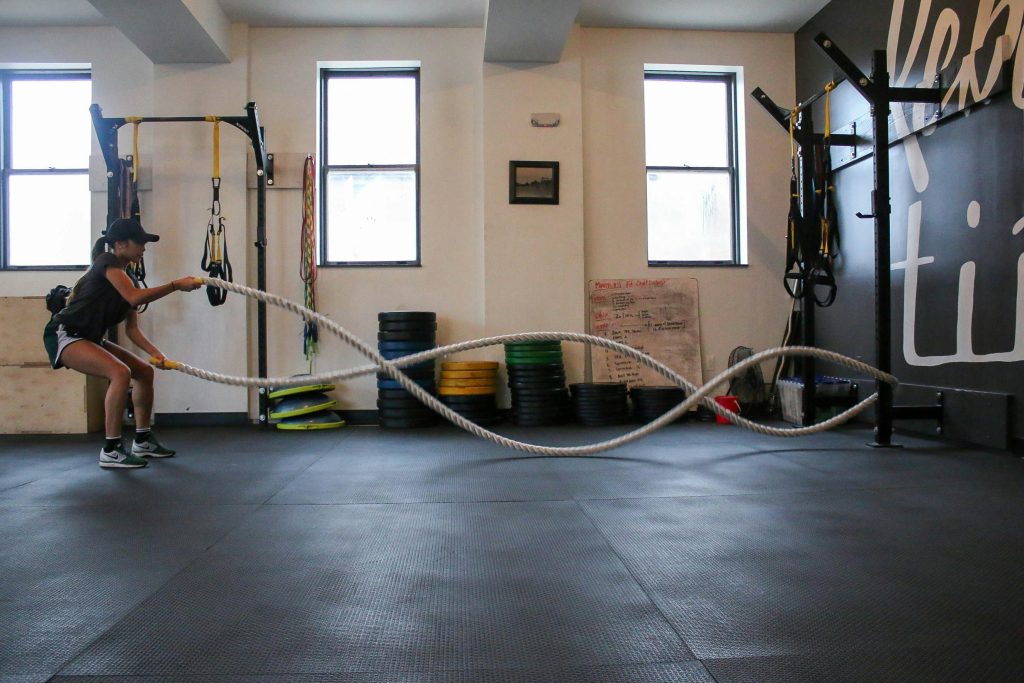
Setting up a Building a home gym in your basement is a highly practical and convenient way to stay fit without venturing outside your home. This approach saves time, increases flexibility, and allows exercise sessions tailored perfectly to your schedule. However, transforming a basement into an effective workout space requires strategic planning to optimize functionality and comfort. Key considerations include selecting the right equipment tailored to your fitness goals, ensuring proper ventilation, organizing efficient storage, and choosing the best flooring to protect both your equipment and the floor beneath. This comprehensive guide will help you build a basement home gym that is not only functional but also enjoyable for daily use.
Choosing the Right Equipment
When selecting equipment for your basement home gym, start by evaluating the types of exercises that align with your fitness objectives. If strength training is your primary focus, invest in high-quality dumbbells, an adjustable bench, and a durable power rack. For cardio enthusiasts, modern options such as treadmills, stationary bikes, or rowing machines are excellent choices. It’s essential to consider how each equipment piece impacts the gym’s layout, making sure there is adequate space for safe and unrestricted movement. Thoughtful coordination between equipment selection and spatial layout will result in a workout environment that is both functional and motivating.
Planning Your Layout
Designing a well-organized layout is crucial for maximizing your basement gym’s usability. Begin by precisely measuring your available space to ensure a comfortable fit for all equipment pieces. Allocate distinct zones for cardio workouts, strength training, and stretching exercises to streamline your fitness routine. Adequate ventilation and optimal lighting are vital; a poorly ventilated basement can quickly become stuffy and hot, while insufficient lighting increases the risk of injury. Position machines requiring electricity near outlets, and keep storage areas easily accessible to maintain workflow efficiency and safety.
Flooring and Mats
Proper flooring is fundamental to protecting your basement surface and enhancing workout safety. Utilizing rubber or high-density plastic mats offers durability and excellent shock absorption, which is essential when using heavy equipment. These mats also help minimize noise transfer to living areas above, a key benefit in multi-level homes. Choose mats with adequate thickness to cushion impact and withstand the weight of your machines. Consulting with specialists like those at Sandhill Plastics can provide expert advice tailored specifically to your gym setup and flooring needs.
Ensuring Good Ventilation
Effective ventilation is an often underestimated aspect, especially in basement gyms. Poor air circulation can lead to heat accumulation, moisture buildup, and unpleasant odors, making workouts uncomfortable. Installing a high-quality dehumidifier helps maintain optimal moisture levels, preventing mold and mildew. Where feasible, use a ceiling or oscillating fan, or consider a portable air conditioning unit to regulate temperature and promote air freshness. Adequate ventilation also improves indoor air quality by dispersing airborne contaminants, contributing to a safer and more pleasant exercise environment.
Storage Solutions
Maximizing storage is key to sustaining an organized and inviting home gym. Install wall-mounted racks and shelving to neatly hold smaller items such as dumbbells, resistance bands, and yoga mats. For bulkier equipment, opt for sturdy storage bins or cabinets that can fit discreetly under benches or in unused corners. Utilizing vertical storage techniques optimizes room space and ensures equipment is easily accessible during workouts. Maintaining a clutter-free environment not only improves safety but also enhances motivation and workout efficiency.
Creating a basement home gym is a smart investment in your overall health and lifestyle. By carefully selecting appropriate equipment, optimizing your gym’s layout, installing suitable flooring, ensuring fresh ventilation, and implementing effective storage solutions, you can craft a workout space that inspires and supports your fitness goals. Striking the right balance between practicality and comfort is crucial for long-term success. With these expert tips, you’re on the path to enjoying the convenience, privacy, and benefits of exercising from the comfort of your own home.
In addition to the essentials, consider integrating smart technology into your basement gym to elevate your fitness experience. Modern smart fitness equipment, like connected treadmills or strength machines, offers personalized coaching and tracks progress seamlessly. Incorporating speakers or a sound system can boost motivation during workouts, while installing mirrors can help monitor form and technique. Lastly, adding motivational decor or greenery can create an inviting atmosphere, making your gym a space you look forward to using daily. These enhancements not only improve engagement but also contribute to a more effective and enjoyable fitness routine.