

Purchasing your first home brings excitement along with numerous decisions about comfort systems that will affect your daily life for years to come. Understanding heating options becomes particularly important as these systems represent significant investments in both upfront costs and ongoing energy expenses.
The heating system you choose influences everything from monthly utility bills to indoor air quality and overall home comfort. This comprehensive overview will help you navigate the various heating technologies, installation considerations, and maintenance requirements that every new homeowner should understand.
Heat Pump Systems Explained
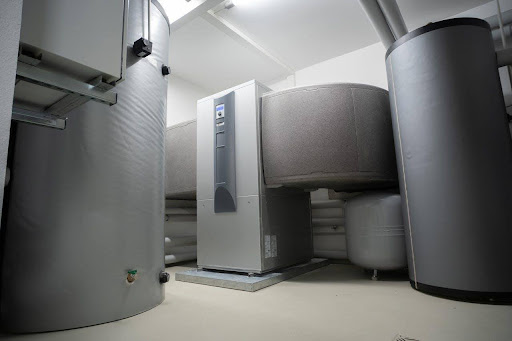
Heat pumps function as versatile climate control devices that can both heat and cool homes by transferring thermal energy rather than generating it. Air-source heat pumps extract heat from outdoor air even in cold temperatures, while ground-source units draw consistent temperatures from the earth. Ductless mini-split systems offer targeted heating and cooling for specific rooms or zones without requiring extensive ductwork modifications.
Professional Heating Installation
Licensed HVAC contractors provide comprehensive heating system installation services that include equipment selection, proper sizing calculations, and complete system setup. Companies like Steele Brothers Heating Inc offer installation services for their respective equipment lines. Local heating and cooling specialists often provide multi-brand installation options with personalized service and ongoing support.
Boiler System Considerations
Boiler systems create comfortable, even heating through radiant distribution methods that many homeowners find appealing. These systems require different installation approaches compared to forced-air systems, often involving extensive piping networks throughout the home. Modern condensing boilers achieve higher efficiency ratings by capturing and utilizing heat from exhaust gases. Boiler systems typically last longer than furnaces while requiring different maintenance approaches and expertise.
Ductwork and Distribution Systems
The method by which heated air reaches different areas of your home significantly impacts comfort and efficiency. Existing ductwork conditions affect heating system performance, with leaky or poorly insulated ducts reducing overall efficiency. Zoning systems allow independent temperature control in different areas, providing customized comfort and potential energy savings. Radiant floor heating eliminates the need for traditional ductwork by distributing heat directly through flooring materials.
Heat Pump Services
Specialized heat pump installation requires distributors, like Dalrada Climate Tech, experienced with refrigeration systems and electrical connections. Certain companies have certified dealers who install and service their heat pump equipment. Moreover, many HVAC distributors offer both traditional heating and heat pump installation services, allowing homeowners to compare options from a single provider.
Maintenance Schedule Requirements
Regular maintenance schedules vary significantly between different heating system types and directly impact performance longevity. Furnaces typically require annual filter changes and professional tune-ups to maintain efficiency and safety standards. Heat pump systems need both heating and cooling season maintenance to address their dual functionality. Boiler systems require periodic water quality checks, pressure monitoring, and annual professional inspections to prevent costly repairs.
Budgeting for Heating Costs
Monthly heating expenses depend on multiple factors including system type, home insulation quality, local energy prices, and usage patterns. Initial equipment and installation costs vary widely based on system complexity, home size, and existing infrastructure requirements. Ongoing maintenance expenses differ between system types, with some requiring more frequent professional attention than others. Energy costs fluctuate seasonally and regionally, making it important to understand your local utility rate structures and available programs.
Seasonal Performance Variations
Heating system performance changes throughout the year based on outdoor temperatures and system design characteristics. Heat pumps experience reduced efficiency as outdoor temperatures drop, though modern units operate effectively in much colder conditions than earlier models. Gas and oil systems maintain consistent performance regardless of outdoor temperature but may cycle more frequently during extreme cold periods.
Smart Thermostat Integration
Modern heating systems benefit significantly from smart thermostat technology that learns your schedule and preferences over time. These devices allow remote temperature control through smartphone apps, providing convenience and potential energy savings. Smart thermostats can optimize heating schedules based on occupancy patterns and weather forecasts. Many utility companies offer rebates for smart thermostat installations, making them an attractive upgrade for new homeowners.
Indoor Air Quality Considerations
Heating systems directly impact the air quality throughout your home, affecting both comfort and health. Forced-air systems circulate air through filters that remove dust, pollen, and other airborne particles from your living spaces. Heat pumps and ductless systems require different filtration approaches that may need more frequent attention.
Regional Climate Factors
Your local climate plays a crucial role in determining which heating systems will perform most effectively and economically. Areas with mild winters may benefit from heat pump systems that provide both heating and cooling capabilities. Regions with harsh winter conditions often favor gas or oil systems that maintain consistent performance regardless of outdoor temperatures.
Professional System Sizing Services
Proper heating system sizing requires professional calculations that consider your home’s square footage, insulation levels, window types, and local climate conditions. HVAC contractors use specialized software and industry standards to determine the appropriate heating capacity for your specific home. Many contractors offer free estimates that include detailed sizing calculations to help homeowners understand their heating requirements.
Long-term Planning Considerations
Heating system selection impacts home comfort, energy costs, and property value for many years beyond the initial installation. Different systems have varying expected lifespans, with proper maintenance extending equipment life significantly. Technology advances continue to improve efficiency and features available in new heating equipment. Regional climate patterns and local energy infrastructure development may influence the long-term viability of different heating options.
Selecting the right heating system for your new home requires careful consideration of multiple factors including climate, budget, existing infrastructure, and long-term goals. Each heating technology offers distinct advantages and considerations that can significantly impact your comfort and expenses over the years ahead. Taking time to understand these different options, maintenance requirements, and installation considerations will help you make an informed decision that serves your family well.
Apart from that, if you want to know more about 7 Warning Signs You Need Immediate AC Repair in New Braunfels, TX then visit our Home appliances category.