


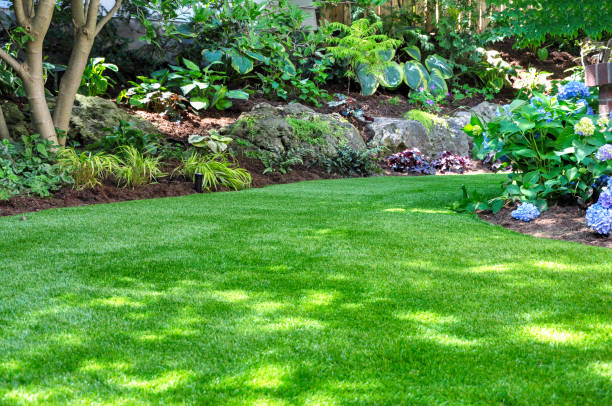
Transforming your outdoor space with creative landscaping and well-designed paver patios can greatly enhance the beauty and functionality of your home. Whether you’re looking to create a serene garden retreat or a vibrant area for entertaining, a thoughtful approach to landscaping can help you achieve your dream outdoor oasis. In this guide, we will explore essential aspects of home landscaping and patio design, offering insights and tips to make your project a success.
Planning Your Landscaping Project
A successful landscaping project begins with careful planning. Start by assessing your space and defining your goals—whether it’s a lush garden, a spacious patio for gatherings, or a mix of both. Factor in the size of your yard, existing structures, and local climate. Sketch a rough design and list desired features such as water elements, pathways, or seating areas. Determine the style you want to achieve, whether modern, rustic, or something in between. Consider your budget and prioritize features accordingly. Research plants and materials that suit your design and thrive in your climate. Decide on the layout, keeping in mind aspects like sun exposure, soil type, and drainage. Proper planning will serve as your roadmap, ensuring a cohesive and well-executed landscaping project.
Choosing the Right Plants for Your Yard
Selecting plants wisely is key to a flourishing landscape. Focus on native species, as they are adapted to your local climate and require minimal upkeep. Integrate plants of varying heights, textures, and colors to create a dynamic and visually appealing garden. Flowering shrubs, perennials, and ornamental grasses can add layers of interest and vibrancy. Be mindful of sunlight exposure in different parts of your yard and choose plants that thrive in those conditions. For example, sun-loving plants will do well in open, sunny areas, while shade-tolerant plants are better suited for spots with limited sunlight. Proper plant selection will not only beautify your landscape but also ensure a cohesive and thriving outdoor environment.
Designing Your Paver Patio
When designing your paver patio, consider the size and shape that will best suit your outdoor space and meet your needs. Think about the materials you want to use—options like concrete, brick, and natural stone pavers each offer unique aesthetic and durability advantages. Pay attention to the patterns and colors that will harmonize with your home’s exterior and your overall landscaping theme. Features such as built-in seating, a fire pit, or an outdoor kitchen can add both functionality and appeal to your patio. Lighting can extend the usability of the space and create an inviting ambiance in the evening. Additionally, incorporating borders or edging can define the patio area and provide a polished look. Plan for proper drainage to avoid water pooling, which can damage your pavers over time. By carefully selecting materials and design elements, you can create a paver patio that enhances your outdoor living experience.
Installation Tips and Techniques
Start by preparing your site; clear away any debris and level the ground to create a stable base. For patios, begin with a layer of gravel followed by a layer of sand, ensuring a firm foundation. When laying pavers, it’s crucial to start from a fixed point and work outward. Use spacers to maintain even joints between pavers, and adjust each one to ensure a level surface. For the final step, fill the joints with sand and compact the entire area to lock the pavers in place.
For planting areas, enhance the soil with appropriate fertilizers and make sure to plant at the correct depth for each species. Pay attention to root spacing to avoid overcrowding and to promote healthy growth. Use mulch to retain moisture and prevent weed growth around your plants.
Properly install edging materials to define planting beds and pathways, and ensure they are firmly anchored to withstand weather conditions. When incorporating any built structures, such as retaining walls or raised garden beds, make sure they are level and secure. Use high-quality materials and follow manufacturer guidelines for installation to ensure durability and longevity.
Lastly, plan for efficient drainage systems to prevent water pooling, which can lead to erosion or damage to your installations. French drains or sloped designs can effectively channel water away from key areas. By following these techniques, you can achieve a functional and aesthetically pleasing outdoor space.
Maintaining Your Landscaping and Patio
To ensure your landscaping and patio remain in top condition, establish a regular maintenance routine. For your plants, set up a consistent watering schedule tailored to the needs of each species. Prune shrubs and trees to promote healthy growth and remove any dead or diseased branches. Mulching is beneficial for retaining moisture and controlling weeds. Regularly inspect your plants for pests and take appropriate measures to protect them.
For your patio, routine cleaning is essential. Sweep debris and leaves off the surface to prevent staining and moss buildup. Power wash the pavers periodically to remove dirt and grime. Check for any loose or displaced pavers and reset them as needed to maintain a level surface. Inspect the joints and refill them with sand to keep the pavers locked in place.
Edging materials and pathways should also be checked regularly for stability and integrity. Make sure they are securely anchored and replace any damaged sections promptly. For built structures like retaining walls or raised beds, inspect for signs of wear and ensure they remain level and secure.
Lastly, drainage systems should be monitored to prevent water buildup that could damage your landscape and patio. Clear any blockages and ensure water is effectively channeled away from critical areas. Regular attention to these tasks will keep your outdoor space functional and attractive year-round.
Adding Features to Enhance Your Outdoor Space
Enhance your outdoor space with unique features that elevate both style and functionality. Adding a water feature like a fountain or a pond can create a tranquil atmosphere and serve as a focal point. Integrate outdoor lighting to illuminate pathways, accentuate landscape elements, and extend the usability of your yard into the evening hours. Garden art, such as sculptures or decorative stones, can introduce personal flair and become conversation starters. Installing structures like pergolas or trellises can provide shade and support climbing plants, adding vertical interest to your landscape. Outdoor furniture, such as a cozy seating area or a dining set, can transform your patio into a comfortable living space. Use colorful cushions and weather-resistant fabrics to add comfort and style. By thoughtfully incorporating these features, you can create a dynamic and inviting outdoor environment tailored to your preferences.
Sustainable Landscaping Practices
Sustainable Greenfield landscaping practices not only benefit the environment but can also reduce long-term maintenance costs. Start by selecting native, drought-resistant plants that thrive in your local climate, thereby minimizing water usage. Efficient irrigation systems, such as drip lines or soaker hoses, can target the roots directly and reduce water waste. Use organic fertilizers and natural pest control methods to avoid harmful chemicals that can damage the soil and local ecosystem. Composting yard waste and kitchen scraps enriches the soil naturally, promoting healthier plant growth.
Consider incorporating permeable paving materials, which allow rainwater to seep through and reduce runoff, helping to prevent soil erosion. Mulching not only retains moisture but also suppresses weeds and improves soil health over time. Additionally, rain barrels can be used to collect and store rainwater for later use in your garden, further conserving water resources.
Design your landscape to include a variety of plant species that bloom at different times of the year. This encourages biodiversity and creates a habitat for beneficial insects and birds. Trees and shrubs can be strategically placed to provide natural shade, reducing the need for artificial cooling and thus conserving energy.
Using reclaimed or recycled materials for garden structures, paths, and patios is another way to practice sustainability. These materials can add unique character to your landscape while reducing waste. By implementing these sustainable practices, you create a resilient and eco-friendly outdoor space.
Hiring Professional Help vs. DIY
Deciding between hiring a professional and tackling the project yourself depends on your budget, time, and expertise. Professionals can bring design expertise, access to quality materials, and efficient installation, which can save you time and potential headaches. They can also handle complex tasks like grading, drainage, and the installation of intricate features, ensuring that the project is completed to a high standard. On the other hand, a DIY approach allows for a more personalized touch and can be more cost-effective if you’re willing to invest the time and effort. DIY projects can be a great way to learn new skills and offer the satisfaction of completing the work yourself. Assess your skills honestly—while tasks like planting or simple patio layouts might be manageable, more complicated projects might benefit from professional assistance. Weigh the pros and cons of each approach, considering factors like the scope of the project, your skill level, and the potential costs. Whether you choose to hire a pro or go DIY, the key is to ensure that your outdoor space meets your needs and preferences while staying within your budget and timeline.
Apart from that if you want to know about “Learn More About Cape Primrose Flower For Your Home Garden” then please visit our “Landscaping” Category.