


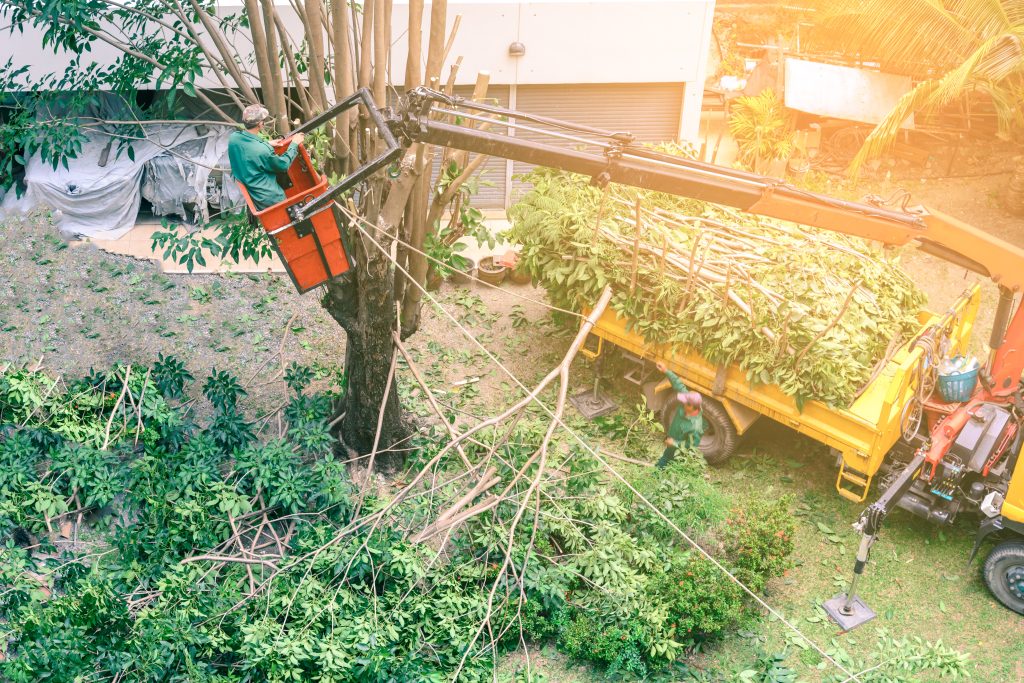
Trimming trees is a crucial yet often overlooked aspect of garden maintenance that significantly enhances the health and visual appeal of your outdoor space. This comprehensive guide offers practical strategies and expert tips to help you prepare your garden for effective tree trimming, ensuring the vitality of your trees and the harmony of your entire landscape. By mastering the ideal timing, performing thorough health assessments, and adhering to essential safety protocols, you can confidently manage tree trimming whether you’re a novice or an experienced gardener. Discover actionable advice that makes tree trimming an efficient and rewarding part of your regular gardening routine.
Understanding the Best Time for Tree Trimming
Knowing the optimal time to trim your trees plays a vital role in their long-term health. The best period for tree trimming is typically during the dormant season—late winter to early spring—before new growth begins. Trimming during dormancy minimizes stress, reduces susceptibility to diseases, and allows pruning wounds to heal swiftly. Furthermore, leafless branches offer better visibility, making it easier to identify which limbs require pruning and to shape the tree effectively. Avoid trimming during peak growth seasons to prevent excessive sap loss and vulnerability.
Assessing Tree Health and Structure
Before beginning any trimming work, carefully assess the health and structural integrity of your trees. Look for signs of disease, such as discolored leaves or fungal growth, pest infestations, or damaged branches. Healthy trees respond better to pruning and maintain better aesthetics. Evaluating the tree’s structure also helps determine which branches to remove to prevent overcrowding, promote airflow, and maintain balance. In some cases, the assessment may reveal the need for professional treatments or specialized care to restore the tree’s vitality.
Protecting Other Plants and Landscaping
Tree trimming can affect the surrounding garden and landscaping if not carefully managed. To preserve the beauty and health of your other plants, create protective barriers against falling debris. Understanding the root systems of both your trees and nearby plants helps avoid unintentional damage during trimming. Communicate any delicate areas to professional trimmers to ensure they exercise caution. Additionally, monitor changes in sunlight and water distribution after trimming, as these factors directly affect plant growth. Relocating potted or sensitive plants temporarily during trimming is a smart precaution to avoid injury and provide clear workspace.
Safety Precautions and Risk Assessment
Safety should always be the top priority when trimming trees. Potential hazards include falling branches, ladder instability, and proximity to electrical wires. Conduct a thorough risk assessment before starting any work. Utilize appropriate personal protective equipment such as helmets, gloves, eye protection, and sturdy footwear. For larger trees or trimming near power lines, it is strongly recommended to hire professional arborists who are trained and equipped to handle such risks safely. Taking precautionary measures prevents injuries and property damage.
The Importance of Hiring Professional Tree Services
Engaging professional tree services is beneficial for gardeners of all experience levels. Certified arborists, like those at and Pete & Ron’s Tree Service, Inc., possess the specialized knowledge, experience, and advanced equipment necessary to safely manage complex tree trimming tasks. They can accurately diagnose health problems, perform precise pruning to promote growth, and maintain your trees’ structural integrity. Professional services save time and provide peace of mind by ensuring high-quality care that supports the longevity and beauty of your landscape.
Overall, effective tree trimming preparation involves selecting the right timing, carefully evaluating tree health, and protecting your surrounding garden space. Prioritizing safety and the welfare of nearby plants enhances your garden’s overall appeal and sustainability. Whether you choose to trim your trees independently or opt for professional help, the key objective is to sustain the health and elegance of your landscape for years to come.
Additionally, if you want to explore more about “Clear Signs It’s Time To Remove That Tree Safely,” be sure to check out our informative “Gardening” category.
Regular tree maintenance, including timely trimming, is essential to the vitality and safety of your property. Overgrown or damaged branches can pose risks during storms, obstruct views, and reduce sunlight reaching other plants. By integrating proactive tree care into your gardening schedule, you not only enhance the aesthetic appeal of your outdoor area but also contribute to a healthier ecosystem. Proper pruning stimulates growth, prevents disease spread, and extends the life of your trees. Whether managing small decorative trees or large shade providers, adopting best practices for trimming can save costs on tree removal and replacement in the long run.