


A new furnace is a major investment in your home’s comfort and value. It promises cozy winters and a warm, inviting space for your family. But simply buying a new unit isn’t the end of the story. To truly get the most out of your investment, you need to ensure it runs efficiently and lasts for years to come.
This guide will walk you through practices for protecting your new furnace from day one, so you can enjoy lower energy bills, reliable heating, and peace of mind. Let’s start!
Choosing the Right Furnace for Your Home
Your journey to long-term furnace efficiency begins before the unit is even installed. Selecting the correct furnace for your home’s specific needs is the foundational step. It’s not about getting the biggest or most powerful model; it’s about getting the right size. A furnace’s heating capacity is measured in British Thermal Units (BTUs). A unit that is too large for your space will cycle on and off frequently, a process known as “short-cycling.” This not only wastes energy but also puts excessive wear on its components.
Conversely, a furnace that is too small will constantly struggle to reach your desired temperature, running nonstop and driving up your utility bills. HVAC experts can do a load calculation to identify the perfect size based on your home’s square footage, insulation levels, and climate, ensuring optimal performance from the very start.
Having a Professional Install Your Furnace
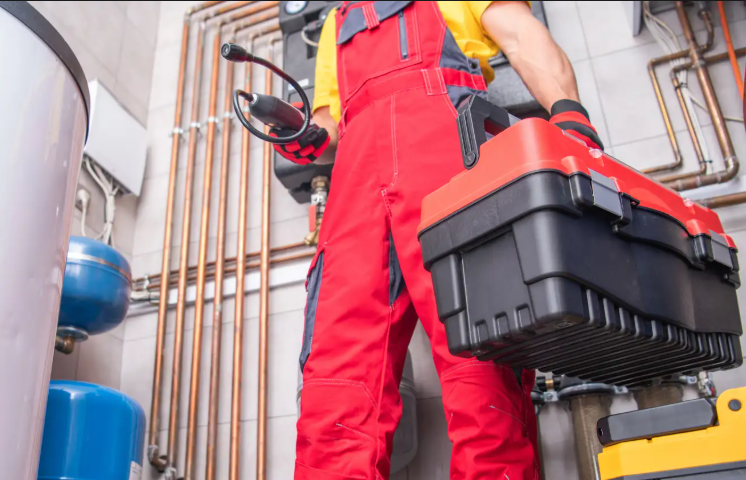
Once you’ve chosen the right model, the quality of the installation is the single most important factor in its future performance and safety. A furnace is a complex piece of equipment that involves gas lines, electrical connections, and proper ventilation. An amateur or DIY installation can lead to a host of problems, including dangerous carbon monoxide leaks, poor efficiency, and a voided manufacturer’s warranty.
Professional installers have the training, tools, and experience to ensure every connection is secure, the ductwork is properly sealed, and the unit is calibrated to run at peak efficiency according to the manufacturer’s specifications. They follow strict safety codes to protect your home and family. To ensure your new system is set up for a long and efficient life, click here for info on certified installation services that guarantee a safe and effective setup. Ultimately, leaving this critical job to an expert is the best way to protect both your investment and your family.
Setting Your Thermostat for Success
Your thermostat is the command center for your heating system, and how you use it directly impacts your furnace’s workload and your energy consumption. To maximize efficiency, consider upgrading to a programmable or smart thermostat. These devices allow you to create a heating schedule that automatically lowers the temperature when you are asleep or away from home.
When you reduce the temperature by just a few degrees for eight hours a day, it can lead to significant savings on your heating bill over the course of a winter. This simple adjustment also means your furnace runs less often, reducing wear and tear on its motor, ignitor, and other critical parts. A smart thermostat takes this a step further by learning your habits and allowing you to adjust the temperature remotely from your phone, giving you complete control over your comfort and energy use.
Maintaining Your Air Filters Regularly
One of the easiest and most effective ways to help your furnace run efficiently is by regularly checking and changing its air filter. The filter’s job is to trap dust, pollen, and other airborne particles, preventing them from circulating in your air and from clogging the furnace’s sensitive internal components. Over time, this filter becomes saturated with debris, which restricts airflow.
When the airflow is blocked, your furnace has to work much harder to pull in air and distribute heat throughout your home. This strain not only increases your energy bills but can also lead to the blower motor overheating and failing prematurely. For most standard one-inch filters, it’s a good idea to inspect them monthly and replace them at least every 90 days, or more often if you have pets or allergies. A clean filter is a simple key to a healthy and efficient furnace.
Scheduling Annual Professional Tune-Ups
Similar to a car that requires oil changes to operate seamlessly, your furnace will need annual maintenance to perform optimally. Over a season of use, parts can become dirty, connections can loosen, and minor issues can develop without you even noticing. An annual tune-up is a preventative measure that keeps your system running efficiently and safely.
During a tune-up, certified technicians like those at Legacy Plumbing and Heating will thoroughly inspect, clean, and test all the components of your furnace. This includes cleaning the burners, checking the heat exchanger for cracks, testing safety controls, lubricating moving parts, and measuring gas pressure. This comprehensive check-up ensures the system is running at peak efficiency, catches small problems before they become costly breakdowns, and extends the overall lifespan of your unit. More importantly, investing in professional furnace tune-up services is a small price to pay for reliable warmth and year-round peace of mind.
Taking these steps will ensure your new furnace operates as it was designed to—efficiently and reliably. By making smart choices from the start and committing to simple maintenance, you are not just heating your home; you are protecting a vital investment and ensuring your family’s comfort for many winters ahead.
Want to know about “7 Warning Signs You Need Immediate AC Repair in New Braunfels, TX” Check out our “Home appliances” category.