


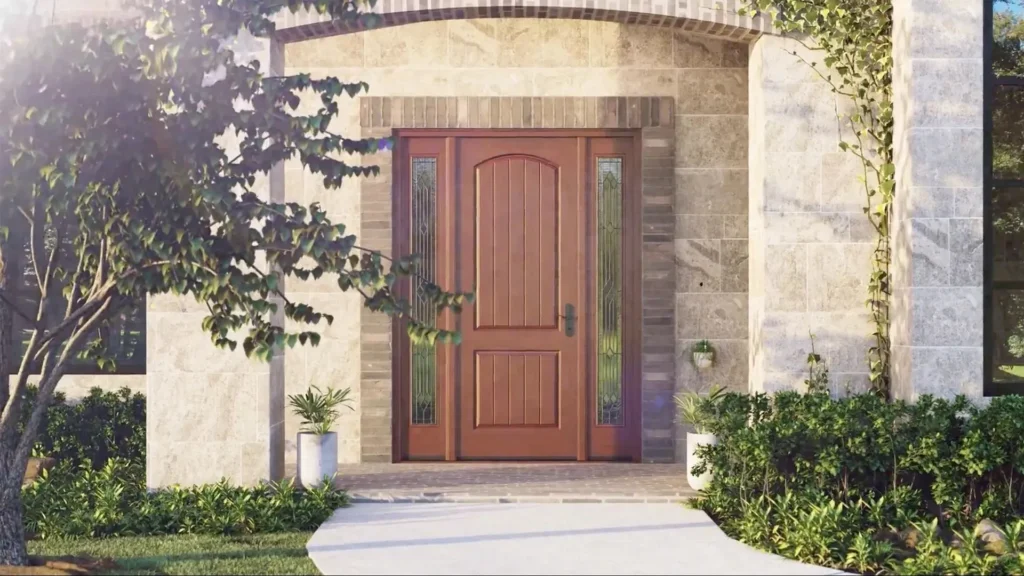
Few sounds are quite as grating as the screech of a heavy front door scraping across a hardwood floor or snagging on a rug. Beyond the auditory assault, a rubbing door is a structural cry for help. It is not just an annoying quirk of an old house; it is a problem that can lead to permanent floor damage, worn out hinges, and a compromised home seal. When your entryway starts dragging its feet, it usually means the delicate geometry of the door system has shifted. Whether it is due to seasonal humidity, settling foundations, or just the relentless pull of gravity, addressing the issue early can save you from a much larger headache down the road.
Diagnosing the Source of the Sag
Before you reach for a belt sander and start shaving off the bottom of your door, it is vital to figure out why the rubbing started in the first place. Most doors do not suddenly grow longer. Instead, the frame or the hinges have likely moved. Start by closing the door and inspecting the gap between the door and the frame, known as the reveal. If the gap at the top handle side is wider than the gap at the top hinge side, your door has sagged. This is incredibly common with heavy solid wood or steel entryways. Gravity is constantly trying to pull the top of the door away from the jamb, and over time, the screws or the hinge knuckles themselves can yield to that pressure.
The Secret of the Long Hinge Screw
The most common culprit for a dragging door is a loose top hinge. If you look closely at your hinges, you might see that the top one has pulled slightly away from the wood. A quick fix many homeowners try is simply tightening the existing screws, but these are often too short to grab onto anything substantial. To truly fix a sagging entryway, you often need to replace one of the short factory screws in the top hinge with a three inch wood screw. This long screw reaches past the decorative door jamb and bites into the solid wall stud behind it. By driving this screw in, you effectively pull the top of the door back toward the frame, lifting the bottom corner off the floor without having to remove the door at all.
Checking for Hinge Binding and Pin Wear
Sometimes the issue is not the screws but the hinges themselves. If your hinges are old, the metal pins and knuckles can wear down, causing the door to sit lower than it was originally installed. You can test for this by opening the door and lifting it by the handle. If you feel significant vertical movement, your hinges are tired and likely need replacing. Another common issue is hinge binding, where the hinge was not recessed deeply enough into the wood, or the door is hitting the hinge side of the frame too early. This pressure can actually push the door toward the floor on the opposite side. A professional Front Door Repair expert looks for these subtle mechanical failures that a simple screwdriver cannot always solve.
Dealing with Seasonal Swelling and Humidity
In regions where the weather swings from bone dry to dripping with humidity, doors tend to behave like sponges. Wood doors especially will absorb moisture and expand during the summer months. If your door only rubs against the floor during the humid season, you are dealing with swelling. In this case, checking the hinges is still the first step, but you might also need to look at the threshold. Many modern thresholds are adjustable. By turning the screws on the threshold clockwise, you can sometimes lower the floor plate just enough to provide the clearance needed for the door to swing freely. This is a much better alternative than cutting the door, as you will want that tight seal back once the air dries out and the wood shrinks again.
Squaring the Frame for a Perfect Swing
If your hinges are tight and the wood hasn’t swollen, the problem might be that the entire door frame has shifted. Houses settle over time, and a door frame that was perfectly square twenty years ago might now be a slight parallelogram. When the frame shifts, the door can no longer hang straight. Fixing a crooked frame is a bit more involved and usually requires removing the decorative trim to access the shims between the jamb and the wall studs. By carefully adjusting these shims, a technician can bring the frame back into a square position. This ensures the door not only stops rubbing the floor but also latches properly and seals out drafts, which is essential for your home’s energy efficiency.
When to Consider Planing or Trimming
If you have exhausted all the mechanical adjustments and the door is still making contact with the floor, it might finally be time for some surgery. This often happens after new, thicker flooring or carpeting has been installed. Trimming a door requires a steady hand and the right tools to avoid splintering the wood or ruining the finish. The door must be removed from its hinges and a small amount of material taken off the bottom edge. It is important to seal the newly cut edge with paint or varnish immediately to prevent moisture from seeping into the raw wood and causing further swelling. This is generally the last resort, as adjustments to the hardware are much less invasive and preserve the integrity of the door.
Restoring Function and Peace to Your Entryway
A front door should be a silent, smooth operating gateway to your home, not a source of frustration and floor scratches. By taking a systematic approach to diagnosing the sag, tightening the hardware, and adjusting the frame, you can usually resolve the rubbing without much drama. However, because entry doors are heavy and their alignment affects your home’s security and insulation, it is often a job best handled by those who deal with these mechanical puzzles every day. Once the door is swinging freely again, you will notice an immediate difference in how your home feels. No more lifting the handle or pushing with your shoulder; just a perfect, effortless swing every time you walk through the door.