


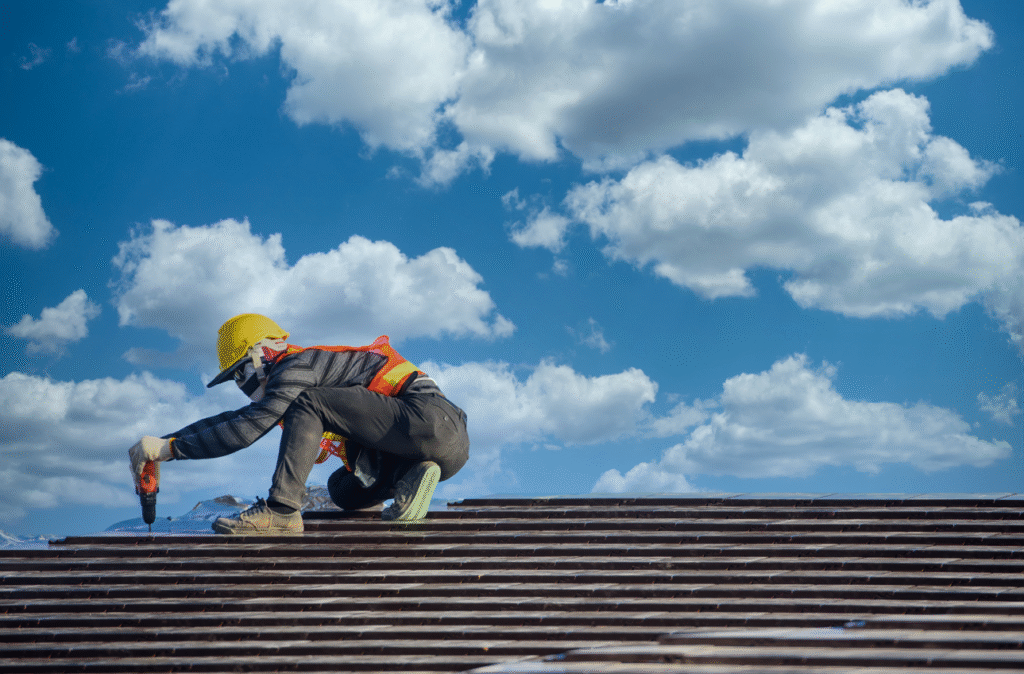
Your roof does more than shield your home from the elements—it protects your investment, your comfort, and your peace of mind. But when problems arise, many homeowners find themselves asking: should I repair the damage or replace the entire roof?
The answer hinges on several factors, including the age of your roof, the extent of the damage, and your long-term plans. Whether you’re a first-time homeowner or simply unsure what your roof needs, this guide will help you make a smart, confident decision.
When Roof Repair is the Right Solution
Roof repair is often the most practical option when damage is minor and isolated. If you’ve noticed a few missing shingles after a storm, small leaks near skylights, or water stains on your ceiling, these are signs that your roof may need attention—but not necessarily replacement. Repairs are especially effective when the rest of the roof is still in excellent condition and the materials haven’t reached the end of their lifespan.
Acting quickly is key. Small issues can grow into major problems if left unchecked. Moisture can seep into insulation, mold can develop, and structural components can weaken over time. That’s why it’s important to work with roof repair experts like those from Hoyt Roofs. They’re adept at identifying the root cause of damage and applying targeted fixes that restore your roof’s integrity without unnecessary expense.
Professional experience ensures that repairs are done efficiently and with materials that match your existing roof, preserving both function and appearance. For homeowners who want to extend the life of their roof without committing to a full replacement, expert repair offers a cost-effective and reliable solution.
When Full Roof Installation is the Smarter Investment
Sometimes, repairs just aren’t enough. If your roof is more than 20 years old, or if you’re seeing widespread issues such as granule loss, recurring leaks, or curling shingles, then it might be wise to consider a full roof installation. These signs often indicate that the roofing system is failing as a whole, and patching up individual areas won’t solve the underlying problems.
A new roof offers long-term benefits that go beyond protection. It can improve your home’s energy efficiency, reduce heating and cooling costs, and enhance curb appeal. It also adds value if you’re planning to sell your home in the near future. Roof installation services provided by professionals like Thayer’s are designed to deliver durability, performance, and aesthetic appeal.
Professional teams handle everything from proper ventilation to material selection, ensuring your new roof is built to last. Investing in a full roof installation may seem like a big step, but it’s often the most strategic choice for homeowners who want lasting peace of mind and a stronger, more beautiful home.
How to Evaluate the Age and Overall Condition of Your Roof
One of the most important factors in your decision is the age of your roof. Asphalt shingles, on average, can last 20 to 30 years. Meanwhile, metal, tile, and slate roofs can last longer than asphalt. If your roof is approaching the end of its lifespan, then having it fixed only delays what’s to come. In that case, replacement could be more cost-effective over time.
Look at the overall condition. Are shingles curling or buckling across large areas? Is there visible sagging or rot? Are leaks becoming more frequent? These signs suggest that your roof is deteriorating as a whole. Even if the damage seems manageable now, it may be a symptom of deeper structural issues. A professional inspection can help you determine whether repairs will hold or if replacement is the smarter move.
How to Compare Costs and Long-Term Value
Cost is often the deciding factor for homeowners. Roof repairs usually cost less upfront, especially when the damage is small. But repeated repairs can add up quickly. If you’re constantly patching leaks or replacing shingles, the cumulative cost may rival that of a full replacement.
Roof installation is a larger investment, but it comes with long-term advantages. A new roof improves insulation, lowers energy bills, and increases your home’s resale value. It also reduces the risk of future damage and costly emergencies. When comparing costs, think beyond the immediate expense. Consider the future savings, added comfort, and increased property value that come with a new roof.
What to Factor in Safety and Structural Integrity
Sometimes, the decision isn’t just about cost—it’s about safety. If your roof deck is sagging, if there’s rot in the support beams, or if water has infiltrated the insulation, these are serious structural concerns. In such cases, repairs won’t be enough. You’ll need a full roof replacement to ensure your home remains safe and sound.
A compromised roof can lead to mold, electrical hazards, and even collapse in extreme cases. If you’re unsure about the extent of the damage, schedule a professional inspection. Experts can assess not just the visible issues but also the hidden risks that may affect your home’s integrity. Don’t wait until a small problem becomes a major emergency.
How to Align Your Roofing Decision with Future Plans
Your long-term plans for the home matter. If you’re planning to sell soon, a new roof can be a strong selling point. Buyers appreciate knowing they won’t have to worry about roof issues for years. On the other hand, if you’re staying put and your roof is still structurally sound, repairs may be enough to keep things running smoothly.
Think about your lifestyle, goals, and comfort. A new roof can improve insulation, reduce noise, and enhance your home’s appearance. It’s also a chance to upgrade materials or switch to a more durable roofing system. Whether you’re building equity or creating a more comfortable space for your family, your roof plays a key role in your home’s future.
When to Get a Professional Evaluation Before You Decide
Before making any decisions, get a professional evaluation. Roofing contractors can provide detailed assessments, explain your options, and offer transparent pricing. They’ll help you understand whether your roof can be repaired or if replacement is the better path. Don’t rely on guesswork—an expert opinion can save you from costly mistakes.
Look for licensed, insured professionals with strong reputations. Ask for references, read reviews, and compare quotes. Whether you choose repair or installation, working with trusted experts ensures quality results. Professionals have built their reputations on honesty, craftsmanship, and customer care. Their guidance can make your roofing journey smooth and stress-free.
Conclusion
Deciding between roof repair and full installation doesn’t have to be overwhelming. By understanding the signs, evaluating your roof’s age and condition, and considering your long-term goals, you can make a smart, confident choice. Whether you need a quick fix or a complete upgrade, trusted professionals are ready to help. Your roof is more than just shingles—it’s your home’s first line of defense. Take care of it, and it will take care of you.
Want to know about Why It’s Good to Have Roof Repair Services Regularly Check out our Exterior category.
For more tips on making the most of home repair and maintenance services, check out Making the Most of Same Day Ge Appliance Repair Services.
For more on home repair services, check out Making the Most of Same Day Ge Appliance Repair Services