


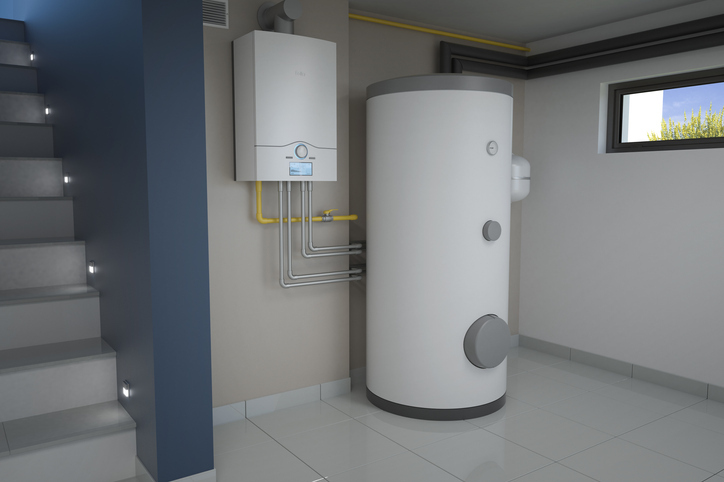
Choosing the right hot water system is one of the most practical decisions a Mandurah homeowner can make. Hot water accounts for around 20 to 25% of the average Australian household’s energy bill, which means the system you pick has a direct impact on your monthly costs, comfort, and even your property’s resale appeal. With Mandurah’s mild winters, hot summers, and varied housing mix, the right choice depends on more than just price.
For most homeowners, the decision comes down to gas vs electric hot water systems. Both options have their strengths, and both come up with practical considerations including whether your property already has the right gas fittings or electrical capacity. Here’s a clear, nonsense breakdown to help you weigh up the options.
1. Understanding Gas Hot Water Systems
Gas hot water systems heat water using natural gas or LPG. They come in two main types: storage systems, which hold heated water in an insulated tank, and continuous flow (instantaneous) systems that heat water only when a tap is turned on.
Key advantages:
- Faster water heating compared to electric storage units
- Lower running costs in most cases, especially with natural gas
- Continuous flow models never run out of hot water
- Compact units suit smaller properties well
- Continue working during most power outages (though some need power for ignition)
Potential drawbacks:
- Higher upfront installation cost, especially when new gas lines are required
- Need proper ventilation and compliant gas fittings installed by a licensed professional
- Natural gas isn’t available everywhere in Mandurah — some homes rely on bottled LPG
- Slightly higher carbon emissions than fully renewable electric options
2. Understanding Electric Hot Water Systems
Electric hot water systems heat water using an electric element, either in a storage tank or, more recently, through highly efficient heat pump technology. They’re popular thanks to their simplicity and broad compatibility with most homes.
Benefits for homeowners:
- Lower upfront installation cost
- No need for gas connections or ventilation
- Compatible with solar panels and off-peak tariffs
- Reliable, low-maintenance operation
- Suitable for almost any property type
Possible disadvantages:
- Higher running costs on standard electricity tariffs
- Storage units can run out of hot water during peak demand
- Slower reheating compared to gas systems
- Less efficient overall unless paired with solar or a heat pump
3. Gas vs Electric Hot Water Systems: Key Comparisons
When comparing gas vs electric hot water systems, it helps to look at the practical differences side by side.
Running costs: Gas usually wins, especially with natural gas. Electric systems can become very cost-effective when paired with solar power or off-peak electricity.
Energy efficiency: Continuous flow gas systems are highly efficient because they only heat what you need. Heat pump electric systems are also extremely efficient, often using 60 to 75% less energy than traditional electric units.
Installation requirements: Electric units are typically simpler to install. Gas systems require licensed gas fittings, ventilation, and sometimes new gas line connections, which can add to the upfront cost.
Maintenance needs: Both systems need periodic servicing. Gas units require burner and connection checks, while electric units typically need anode and element inspections.
Environmental impact: Heat pumps and solar-electric systems have the lowest emissions. Gas sits in the middle, while traditional electric storage on grid power tends to be the highest emitter.
Household suitability: Larger families with high hot water demand often benefit from continuous flow of gas. Smaller households may find a heat pump or solar electric system more economically in the long term.
4. Which Option Suits Mandurah Homes Best?
Mandurah’s climate, infrastructure, and housing mix all influences which system performs best.
Energy availability: Many Mandurah suburbs have natural gas, but newer estates and semi-rural blocks often don’t. If your home runs on LPG, weigh bottle delivery costs carefully.
Household water usage: A family of four or more typically benefits from continuous flow of gas or a high-capacity heat pump. Couples and singles often find a smaller electric unit perfectly adequate.
Budget: Electric storage systems are usually the cheapest to install. Continuous flow gas and heat pump systems cost more upfront but often pay for themselves through lower running costs.
Property type: Compact townhouses and apartments suit instantaneous units, while larger homes with multiple bathrooms benefit from high-capacity storage or continuous flow systems.
For tailored advice, booking a hot water installation Mandurah assessment with a qualified professional is well worth the time; local conditions and existing infrastructure can shift the decision significantly.
5. The Importance of Professional Installation
Hot water systems involve plumbing, electricity, and in many cases, regulated gas fittings, meaning installation isn’t a DIY job. Australian Standards exist for good reason, incorrect installation can void warranties, create serious safety hazards, and lead to expensive future repairs.
A qualified professional will:
- Assess your existing plumbing, electrical, and gas setup
- Ensure correct sizing for your household
- Install systems safely and to code
- Identify issues like inadequate ventilation or outdated wiring
- Provide proper warranties and compliance certificates
When gas is involved, the stakes are even higher. Faulty fittings can lead to leaks, carbon monoxide risks, or damage to your property. Always engage a licensed gas fitter for installations, repairs, or upgrades.
Conclusion
Both gas and electric hot water systems can serve Mandurah homes well; the right choice depends on your household size, budget, energy access, and environmental priorities. Gas tends to offer faster heating and lower running costs, while electric systems (especially heat pumps and solar-electric models) shine for affordability, simplicity, and sustainability.
Before deciding, make note of your household water habits and have a qualified professional inspect your existing setup, including electrical capacity and gas fittings. With the right system installed correctly, you’ll enjoy reliable hot water for years to come without any nasty surprises on your power bill.