


When it comes to home safety, prevention is always better than cure. While locking doors and installing smoke detectors are great first steps, truly protecting your home means going beyond the basics. Several installations can significantly improve your home’s security, reduce fire risks, and help you respond effectively to emergencies.
Whether you’re moving into a new house or upgrading your current space, it’s important to prioritize systems that offer both physical protection and peace of mind. This guide explores some of the most essential safety installations every homeowner should consider. From boundary protection to emergency response systems, these additions can make all the difference when it counts. Let’s take a look at the key features that contribute to a safer living environment.
Secure Fencing for Property Protection
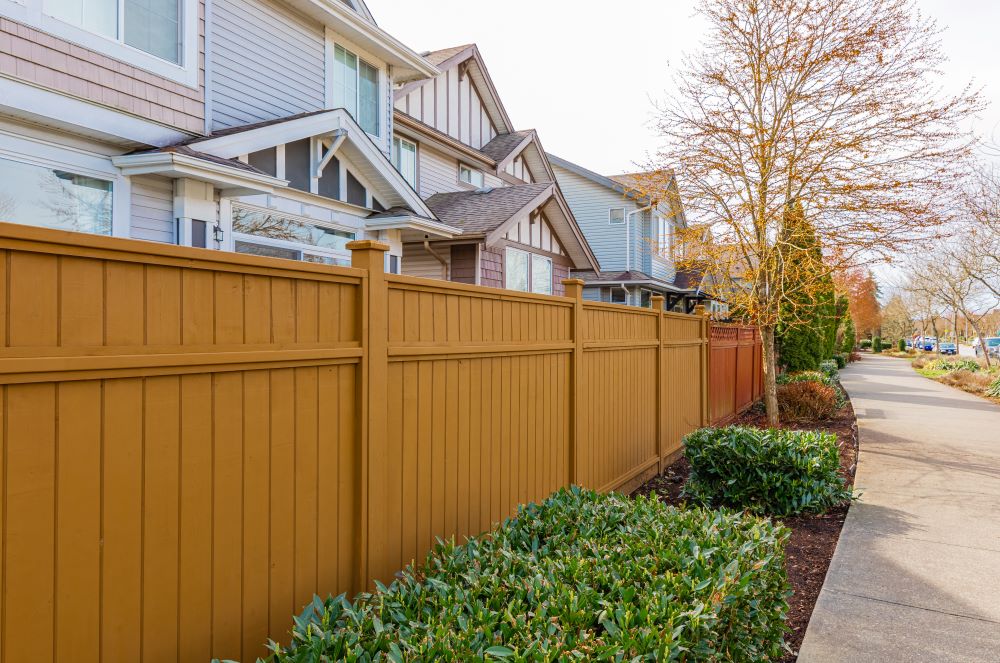
A strong, well-placed fence adds an extra layer of security to any home. It helps define your property lines and keeps unwanted visitors out, while also providing privacy and a safer play area for children and pets. Fences can deter trespassers and reduce the risk of theft, making them a vital component of a secure home. When selecting materials, homeowners often look for durability and weather resistance. Metal, vinyl, and treated wood are common choices, depending on the desired look and budget.
Proper installation and maintenance are key to long-term performance. For homeowners seeking durable materials, many fence supplies in Florida are commonly sought out to ensure both safety and aesthetic appeal. There are various styles and materials available to match different property needs. Choosing the right type can significantly enhance a home’s overall security and curb appeal.
Fire Suppression System for Fast Emergency Response
Fires can spread quickly, causing devastating damage within minutes. Installing a fire suppression system can significantly reduce that risk by detecting heat or flames and activating before the situation escalates. These systems are especially useful in kitchens, garages, and areas with electrical equipment.
Unlike standard fire extinguishers, suppression systems work automatically and can cover a broader area. They are designed to minimize fire damage and provide valuable time for evacuation or emergency response. Some systems use gas or chemical agents, while others rely on water mist technology. Regular inspection and maintenance are essential to ensure everything works properly in an emergency.
Outdoor Lighting to Deter Intruders
A well-lit exterior is one of the simplest yet most effective ways to improve home security. Motion-sensor lights can surprise potential intruders and alert homeowners to movement around the house. Lighting placed near entrances, pathways, and garage doors not only improves safety at night but also enhances visibility during power outages.
LED lighting is a popular option for energy efficiency and long life. It’s also helpful in preventing trips and falls by illuminating uneven surfaces or stairs. Outdoor lighting adds to your home’s curb appeal while serving a practical safety function. Consider connecting lights to a smart home system for greater control.
Smoke and Carbon Monoxide Detectors
No home is truly safe without functioning smoke and carbon monoxide detectors. These small but powerful devices can be lifesavers, alerting occupants before a situation becomes deadly. Detectors should be installed in key areas such as bedrooms, kitchens, and hallways. It’s important to test them monthly and replace batteries at least once a year.
Many modern detectors now offer dual protection and include features like voice alerts or mobile notifications. Some systems can even be integrated into your home’s security or automation network. Proper placement—away from vents and windows—ensures better performance. Always follow the manufacturer’s installation guidelines for maximum coverage.
Home Security Systems with Monitoring
Installing a comprehensive home security system is a smart move for modern homeowners. These systems typically include alarms, door and window sensors, and sometimes surveillance cameras. Many also offer 24/7 monitoring services that notify authorities during emergencies. Today’s technology allows you to manage security settings from your phone, making it easier to keep tabs on your property while away.
Some setups also include panic buttons and emergency communication features. By combining various components, you create a layered defense that’s difficult for intruders to bypass. Choosing a reputable provider and customizing the system to your home’s layout can greatly improve overall safety.
Ground Fault Circuit Interrupters (GFCIs)
Electrical safety is another important area that shouldn’t be overlooked. Ground Fault Circuit Interrupters (GFCIs) are designed to cut power when they detect abnormal current flow, reducing the risk of shocks or fires. These outlets are especially important in areas with moisture like bathrooms, kitchens, and outdoor zones.
Many modern building codes require GFCI outlets in specific locations for new construction and renovations. If your home doesn’t already have them, upgrading your outlets can make a big difference. Installation should be done by a licensed electrician for safety and code compliance. Regular testing of GFCI outlets is also recommended to ensure they remain effective.
Emergency Exit Plans and Escape Tools
Even with the best safety installations, it’s crucial to prepare for emergencies with an exit strategy. Every household should have a clear, practiced evacuation plan that includes multiple escape routes. Consider installing window ladders on upper floors for safe exit during fires.
Glow-in-the-dark signage and path lighting can help guide the way in low visibility situations. Emergency kits should be kept in accessible locations with flashlights, batteries, first-aid supplies, and important documents. Educating all household members, including children, on how to respond during a crisis is key. Being prepared ensures your safety systems work together effectively during real emergencies.
Conclusion
Investing in your home’s safety isn’t just about peace of mind—it’s about protecting the people and things you love most. From a sturdy fence to a responsive fire suppression system, each installation plays a unique role in building a secure and prepared home. Taking proactive steps today can help prevent costly or life-threatening situations in the future.
Apart from that, if you want to know about ”8 Stylish Home Upgrades That Elevate Your Space” then visit our “Home Improvement” category.